Program Booklet
Close Up: Mozart & Spohr
Wednesday
8:15 PM
to approximately 9:30 PM
A unique opportunity to experience the versatility and expressiveness of chamber music, featuring a special combination of strings and winds. Tonight, every instrument will take centre stage.
📳
Please put your phone on silent and dim the screen so as not to disturb others during the concert. Taking photos is allowed during applause.
Programme
Wolfgang Amadeus Mozart (1756-1791)
Quintet in E-flat major for piano, oboe, clarinet, horn, and bassoon, KV 452 (1784)
Largo – Moderately fast
Larghetto
Allegretto
Louis Spohr(1784–1859)
Nonet in F, Op. 31(1813)
Allegro
Scherzo: Allegro
Adagio
Finale: Vivace
What are you going to listen to?
Tonight, the focus is on two chamber music works, each representing a distinct moment in music history: Mozart'sPiano Quintetand Spohr'sNonet. Both pieces were written during a period of change, when composers were exploring new instrumentations and pushing the boundaries of chamber music. They demonstrate how the role of the individual within the ensemble developed—and how composers became increasingly free in their use of form and sound.
Wolfgang Amadeus Mozart
Wolfgang Amadeus Mozart'sPiano Quintetwas composed in 1784, during an exceptionally productive period in his Viennese years. At that time, Mozart was fully immersed in the city's musical life: as a celebrated pianist, teacher, and composer who was constantly searching for new sound possibilities. In this quintet, he explored an instrumentation that was still rare at the time: piano, oboe, clarinet, horn, and bassoon. The clarinet had only recently come into vogue and often played a modest role in Mozart's earlier works. In thisPiano Quintet, however, the wind instruments are given a full, independent voice. Each instrument retains its own character and color, while the piano does not dominate but acts as an equal partner. Mozart himself was ultimately very pleased with the result. After the first performance on April 1, 1784, he wrote to his father Leopold: "It is the best piece I have ever written."
Louis Spohr
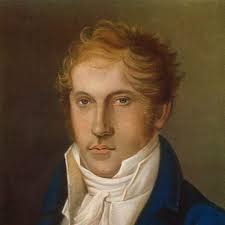
The name Louis Spohr is less well known today than many of his contemporaries, but during his lifetime he was one of the most respected musicians in Europe. Spohr was not only a composer, but also a virtuoso violinist, an influential conductor, and an important teacher. He was held in high esteem by audiences and colleagues alike and had a major influence on musical life in the early nineteenth century. Spohr lived precisely in a time of transition. Born in 1784, he witnessed the shift from the late classical style to early romanticism as a musician and composer. In his compositions, he combined classical forms with a warmer, more lyrical expression. He attached great importance to melody, timbre, and emotional expressiveness, without compromising the clarity of structure.
TheNonet, written in 1813 in Vienna, where Spohr was conductor of the Theater an der Wien, is one of Spohr's best-known chamber music works and a good example of his innovative spirit. The instrumentation of nine instruments was quite unusual at the time and offered new possibilities. Spohr managed to create a richness of sound reminiscent of a small orchestra, while the music still retains its chamber music intimacy. TheNonetwas a great success and played an important role in popularizing this ensemble form. It inspired other composers, including Schubert in the same year, to write nonets as well. In doing so, Spohr made a lasting contribution to the development of chamber music, even though his name later faded into the background.
Prefer it on paper? Download a condensed printable version of this program.
Biographies
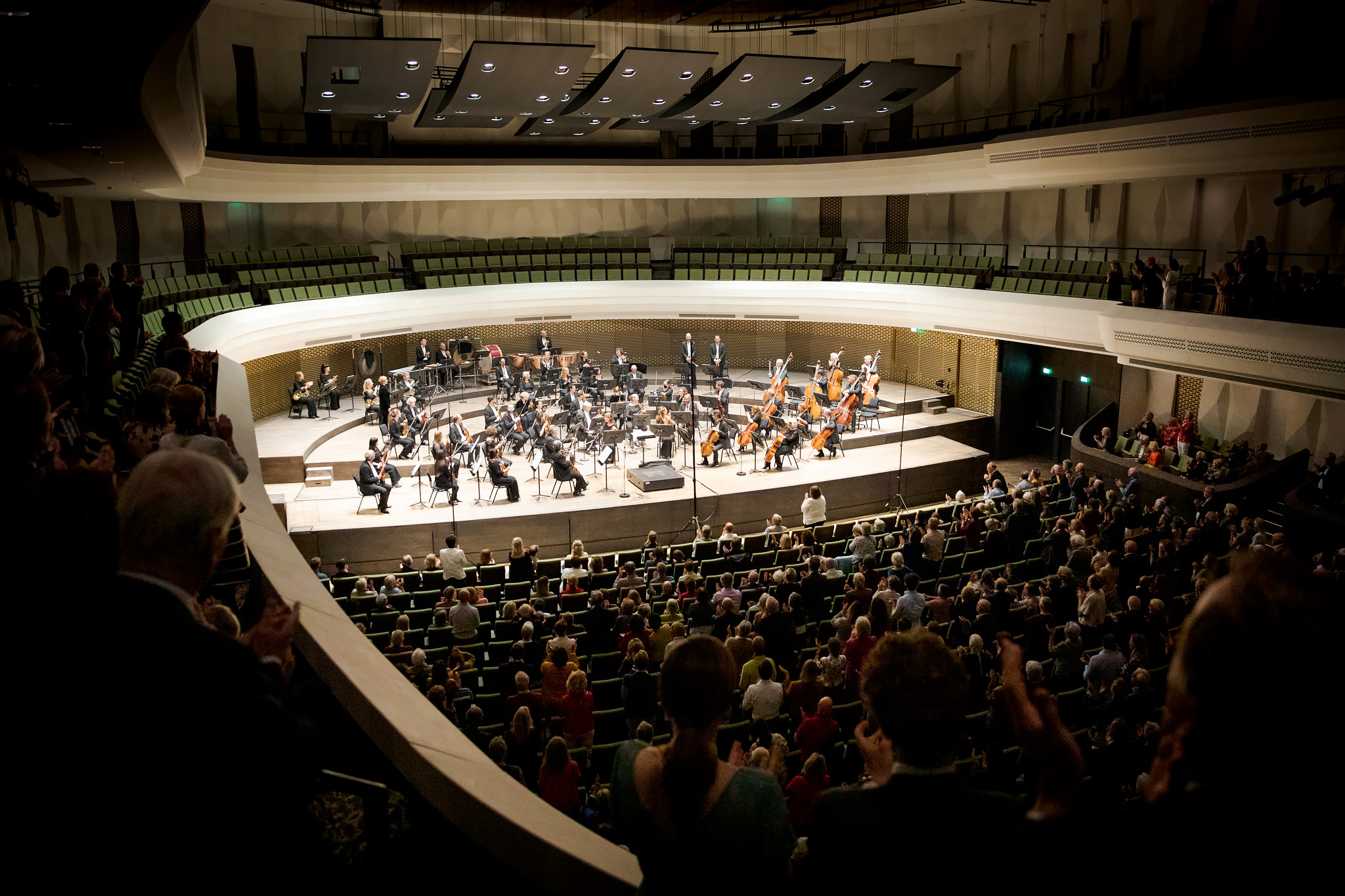
Residentie Orkest The Hague
Tonight's ensemble
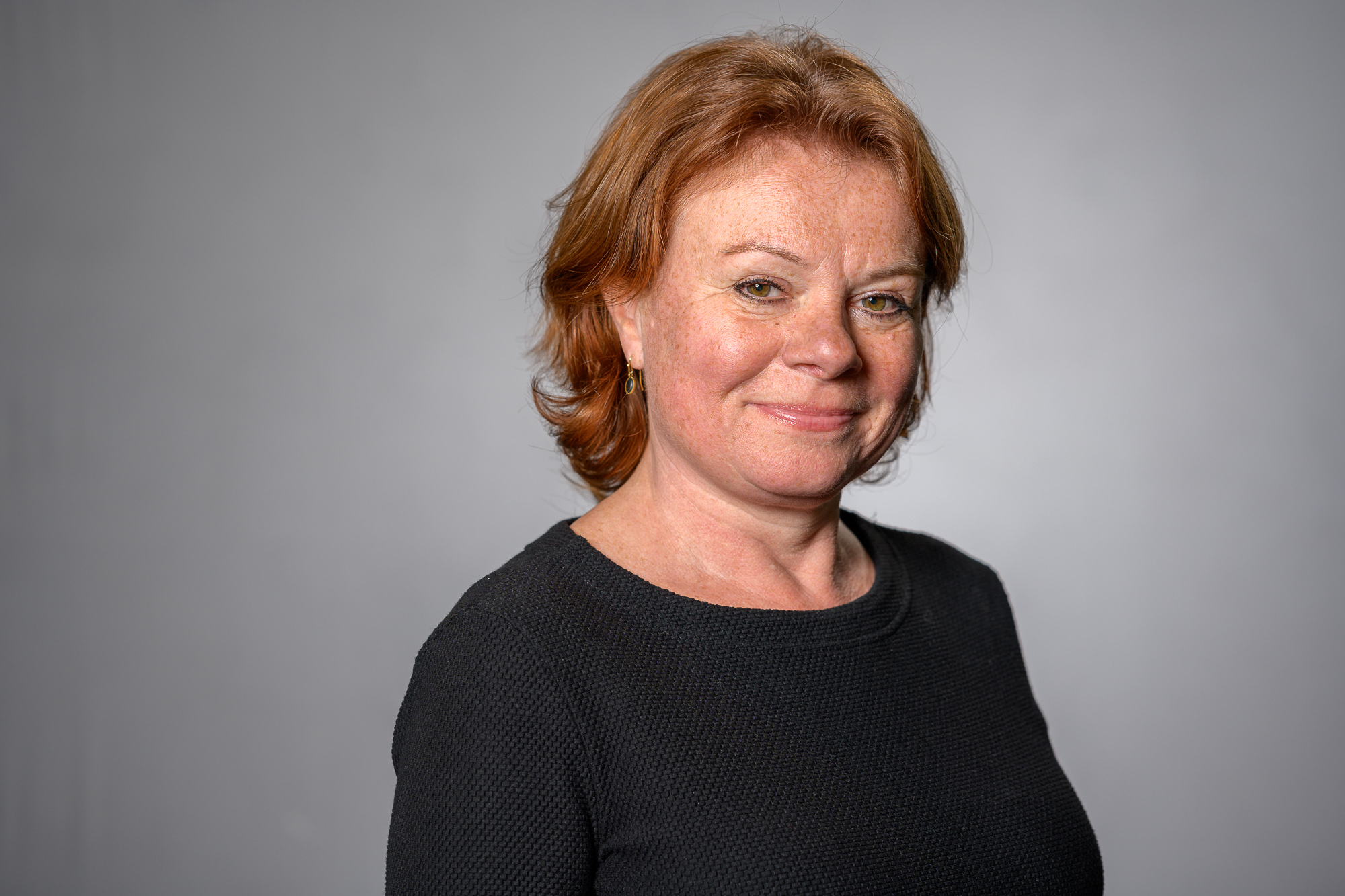
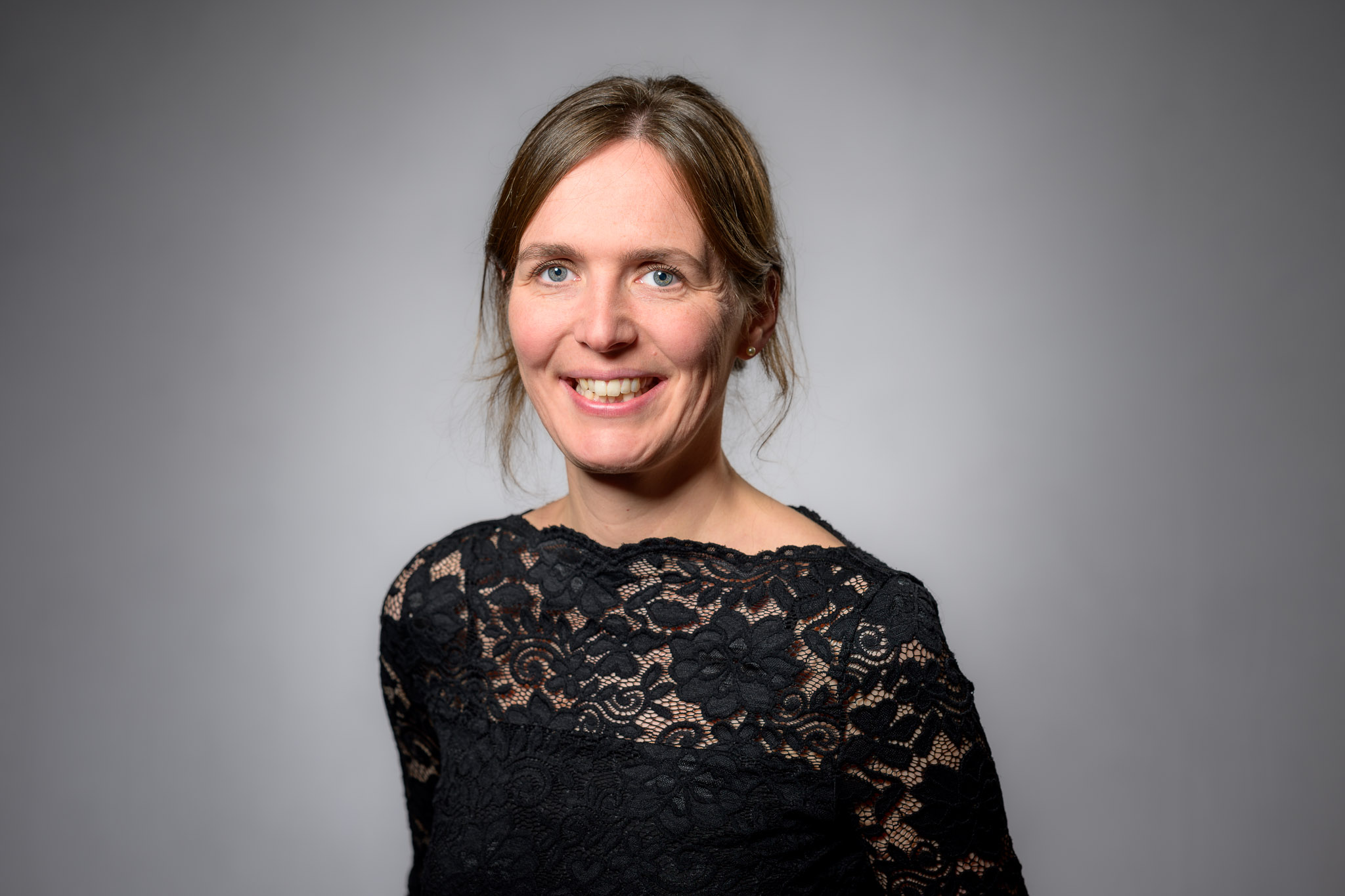
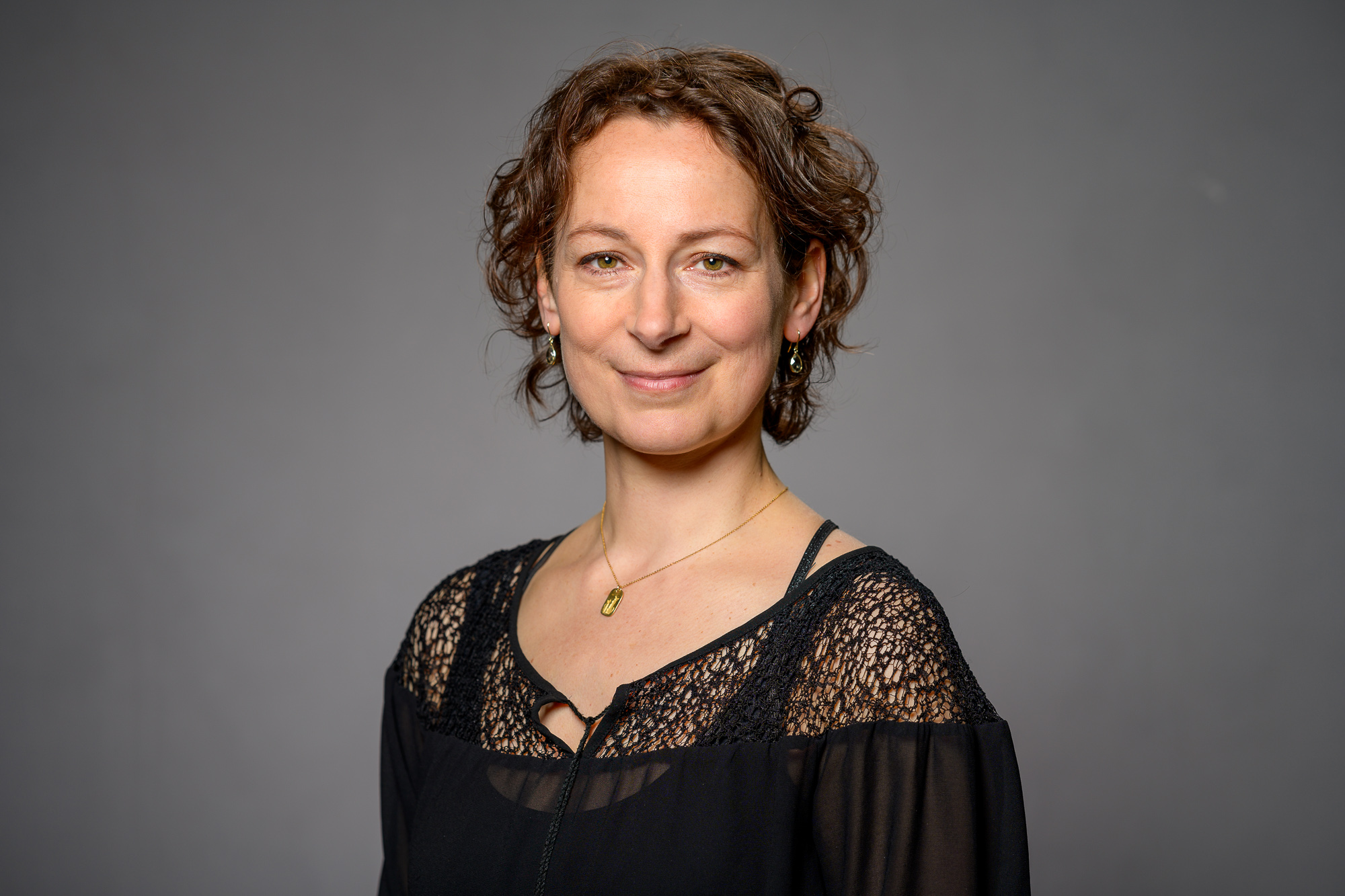
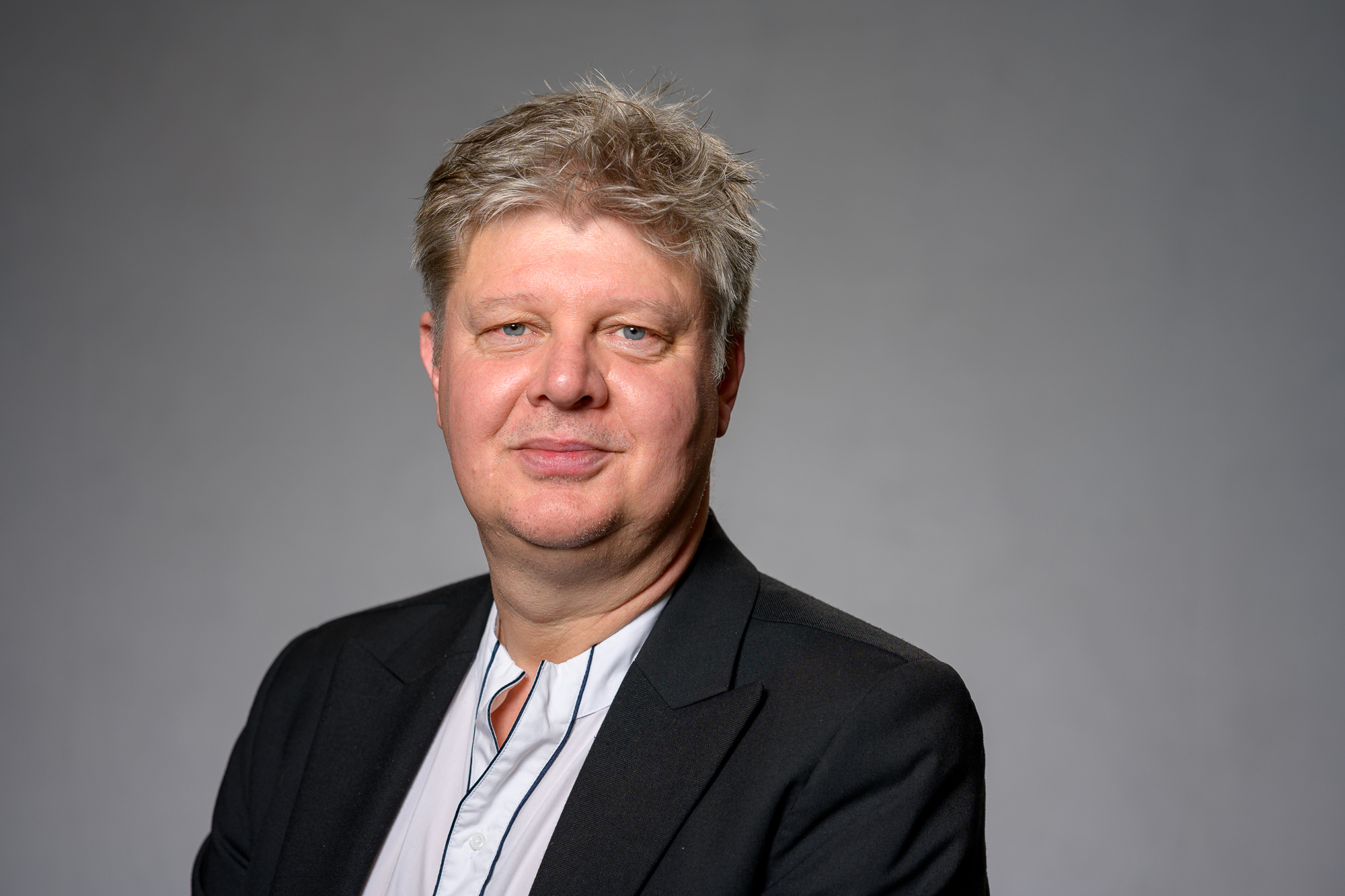
Rieneke Brink, flute
Roger Cramers, oboe
Hans Colbers, clarinet
Jasper de Waal, horn
Dorian Cooke, bassoon
Gerard Spronk, violin
Iteke Wijbenga, viola
Justa de Jong,cello
Jorge Hernandez, double bass
Shuann Chai, piano
Fun Fact
Frenchify
Louis Spohr was born Ludewig Spohr, but later deliberately adopted the Frenchified name Louis. He did so because it sounded better internationally and was easier to pronounce, especially during his successful tours of France and England.
RO QUIZ
Where was the premiere of Mozart's Piano Quintet?-
Musikverein
Good answer: Burgtheater
The first performance of Mozart's Piano Quintet took place on April 1, 1784, just two days after its completion, at the Burgtheater in Vienna. It was part of a concert consisting entirely of works by Mozart that were either completely new or had not yet been performed in Vienna, such as the Linzer Symphony. The Burgtheater, now located on the Ring, stood on Michaelerplatz, next to the imperial Hofburg, until 1888.
-
Theater an der Wien
Good answer: Burgtheater
The first performance of Mozart's Piano Quintet took place on April 1, 1784, just two days after its completion, at the Burgtheater in Vienna. It was part of a concert consisting entirely of works by Mozart that were either completely new or had not yet been performed in Vienna, such as the Linzer Symphony. The Burgtheater, now located on the Ring, stood on Michaelerplatz, next to the imperial Hofburg, until 1888.
-
Burgtheater
Good answer: Burgtheater
The first performance of Mozart's Piano Quintet took place on April 1, 1784, just two days after its completion, at the Burgtheater in Vienna. It was part of a concert consisting entirely of works by Mozart that were either completely new or had not yet been performed in Vienna, such as the Linzer Symphony. The Burgtheater, now located on the Ring, stood on Michaelerplatz, next to the imperial Hofburg, until 1888.
Good answer: Burgtheater
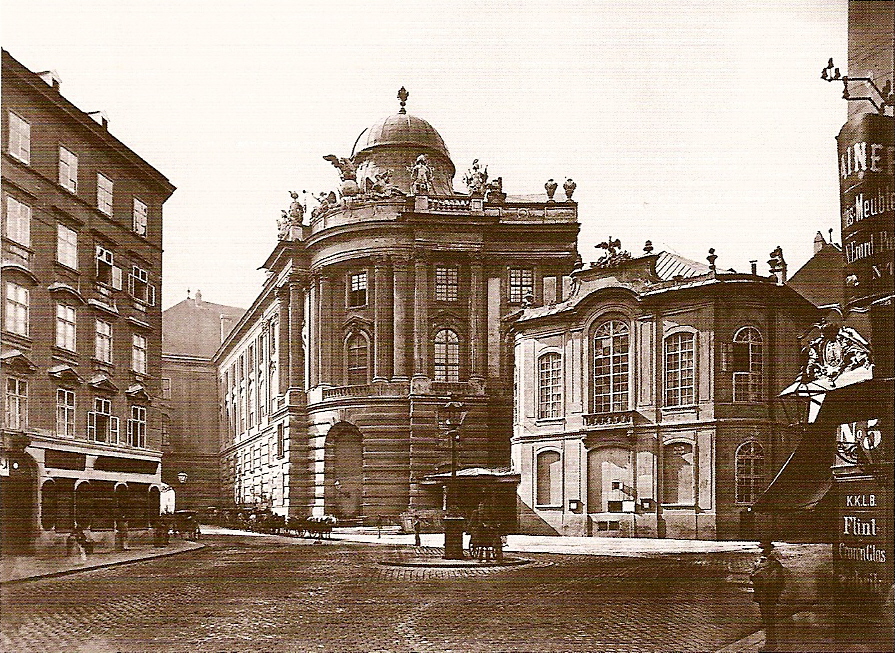
The first performance of Mozart's Piano Quintet took place on April 1, 1784, just two days after its completion, at the Burgtheater in Vienna. It was part of a concert consisting entirely of works by Mozart that were either completely new or had not yet been performed in Vienna, such as the Linzer Symphony. The Burgtheater, now located on the Ring, stood on Michaelerplatz, next to the imperial Hofburg, until 1888.
Today in the orchestra

.jpg)

Help The Hague get music!
Support us and help reach and connect all residents of The Hague with our music.
View all program booklets
Be considerate of your neighbors and turn down your screen brightness.