Program Booklet
Schubert & Brahms
Friday
8:15 p.m.
to approximately 10:30 p.m.
A wonderful balance of playful lightness, tension and grand passion. The youthfulness of Schubert's Third Symphony contrasts wonderfully with Mayer and Brahms.
📳
Please put your phone on silent and dim the screen so as not to disturb others during the concert. Taking photos is allowed during applause.
Programme
Prior to this concert, there will Starter a Starter at 7:30 p.m. This is a lively and informal pre-concert program featuring live performances by our own musicians and interviews with soloists and conductors. The Starter free of charge and takes place on the Tribunetrap, near the entrance to Amare station side).
Archie Tulk ( 2003)
One Minute Symphony: Gegenpress (2024)
Emilie Mayer (1812–1883)
Overture No. 2 in D (ca. 1850)
Franz Schubert (1797–1828)
Symphony No. 3 in D major, D200 (1815)
Adagio maestoso – Allegro con brio
Allegretto
Menueto: Vivace
Quick and lively
At intermission we will serve a free drink.
Johannes Brahms (1833–1897)
Violin Concerto in D major, Op. 77 (1878)
Allegro non troppo
Adagio
Allegro giocoso, ma non troppo vivace - poco più presto
What are you going to listen to?
The evening will feature three masterpieces, each with its own unique style. The Overture is solemn and tense, the next piece playful and elegant, and the Last and virtuosic.
Counterpress
But let's start with a world premiere. Young composition student Archie Tulk sought inspiration for his One Minute Symphony and visited SVV Scheveningen, one of the oldest soccer clubs in the Netherlands. Herman Kooijenga, head of youth training, gave him a tour and told him about the club's rich history. SVV is known for its passion, perseverance, and community spirit. The highlight was the championship in the second division in 1991-1992. The club remains a source of pride for Scheveningen and has produced many talented players. For Archie, soccer, like music, is about emotion and collaboration—exactly what he wants to capture in his composition.
Emilie Mayer
It is only recently that we have begun to rediscover the music of Emilie Mayer. An artist with an exceptional career, she successfully broke through the barriers faced by a single woman as a professional composer in a male-dominated environment. She grew up as the daughter of a Mecklenburg pharmacist, her mother having died when she was only three years old. After her father's suicide, Emilie left the pharmacy and moved to Stettin (now Szczecin in Poland) to study with the renowned song composer Carl Loewe. Here, Mayer initially wrote many songs and chamber music pieces.
Her music studies continued in Berlin, where Mayer deepened her knowledge of orchestration and wrote several symphonies and overtures. Overture No. 2 was probably also composed here in 1850. Mayer was intensively involved in organisation her own work, including outside Germany, and succeeded in having many of her compositions published by Berlin publishers. After her death in 1883, however, her music quickly disappeared from all concert programs. Unfortunately, part of her music archive was lost forever during the bombing of Berlin in World War II.
Franz Schubert
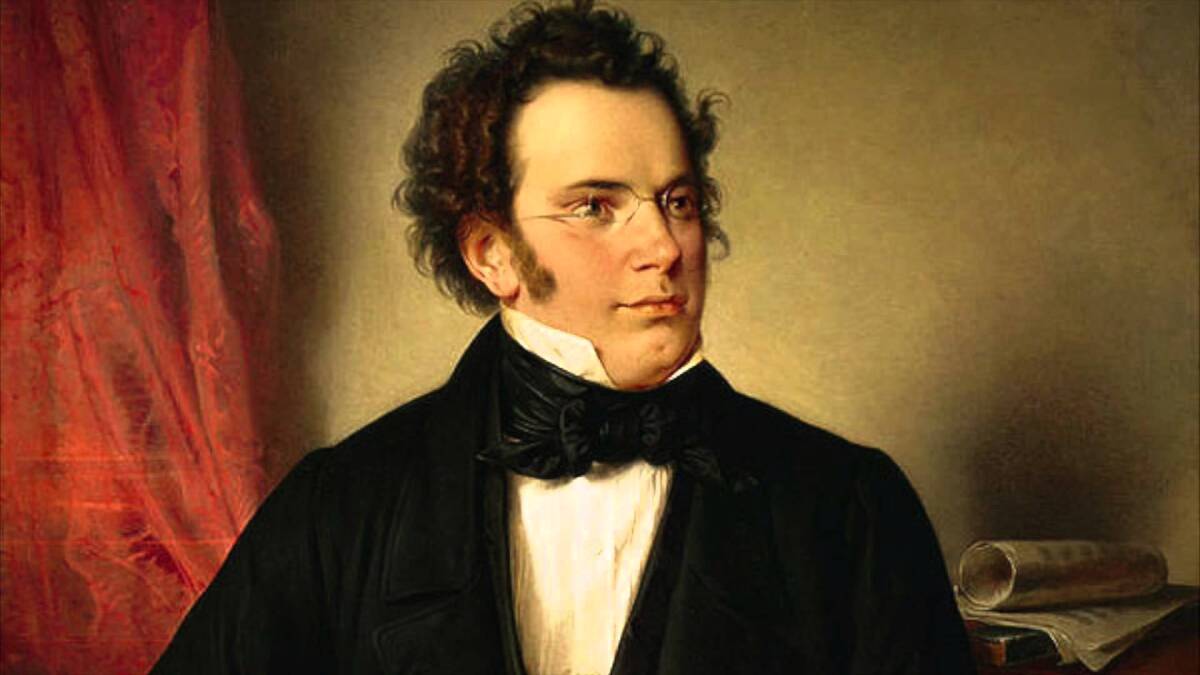
In Vienna in 1815, the young Franz Schubert earned a living by teaching at his father's school. It was a frustrating but necessary job, because he would rather spend time with friends in the café or write songs. Or both at the same time. It was not uncommon for his masterpieces to be created during a spare quarter of an hour in the pub. One work from Schubert's so-called 'annus mirabilis' in 1815 is his Third Symphony. In the private orchestra that he organized with friends for many years, in which he himself played the viola, Schubert was able to develop his symphonic aspirations. It took him barely a handful of days to write his Third Symphony, interrupted only because he ran out of music paper. The colorful work with playful accompanying rhythms clearly fits in the tradition of Mozart and Haydn. The second movement gives the impression of a song, followed by a minuet with playfully placed accents that alternates with a waltz introduced by the oboe. Schubert's receptiveness to the Italian fashion prevailing in Vienna leaves its mark on the final movement with an energetic tarantella.
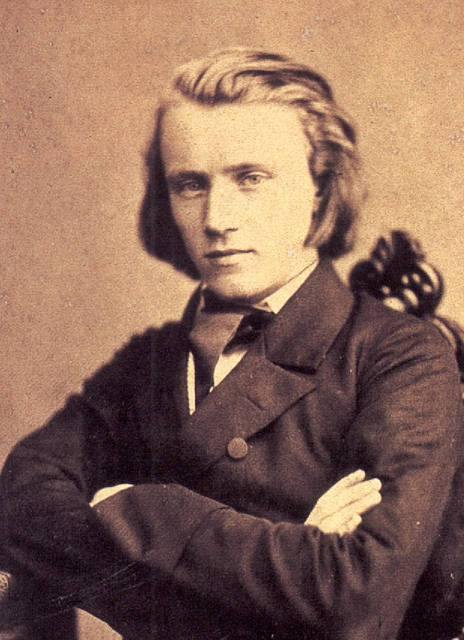
Although many of Schubert's works ended up in a desk drawer, the composer was not forgotten in Vienna. "In Schubert's case in particular, you get the impression that he is still alive here. Time and again, you meet people who talk about him as if he were a good friend; you constantly come across new works of his, the existence of which was previously unknown and which seem so untouched that you still have to scrape the writing sand (used to dry the ink) off them," said Johannes Brahms, who years later took charge of Schubert's musical legacy and in 1883 began to help with the publication of his symphonies.
Johannes Brahms
Not long before that, Brahms had just written his Violin Concerto. In the summer of 1878, while staying at his summer cottage on Lake Wörthersee, he contacted his friend Joseph Joachim to ask for advice on violin playing. A long correspondence with musical suggestions back and forth shaped the concerto into the work we hear today. This struggle between the symphonist and the violinist also characterized the reception of the Violin Concerto. For conductor Von Bülow, it was even a ‘Konzert gegen die Violine’ (Concerto against the Violin).
A large proportion of the prominent melodies were assigned to the orchestra, giving the work a symphonic feel. This sometimes caused frustration among soloists who were afraid of not being in the spotlight enough. The Spaniard Pablo de Sarasate (1844-1908), for example, refused to play the concerto because he had to wait too long on stage while the oboe played the longest and most beautiful melody of the piece in the Adagio. The concerto certainly contains beautiful melodies. According to Brahms, his Austrian vacation home was teeming with beautiful melodies, so much so that you had to be careful not to step on them. The virtuoso final movement is a nod to gypsy music.
On New Year's Day 1879, Joachim played the premiere of the new violin concerto at the Gewandhaus in Leipzig, featuring his own grand solo cadenza in the first movement, which is still performed to this day. The composer himself, in a hurry to put on his concert attire, stood on the podium.
Frans Boendermaker
Prefer it on paper? Download a condensed printable version of this program.
Biographies
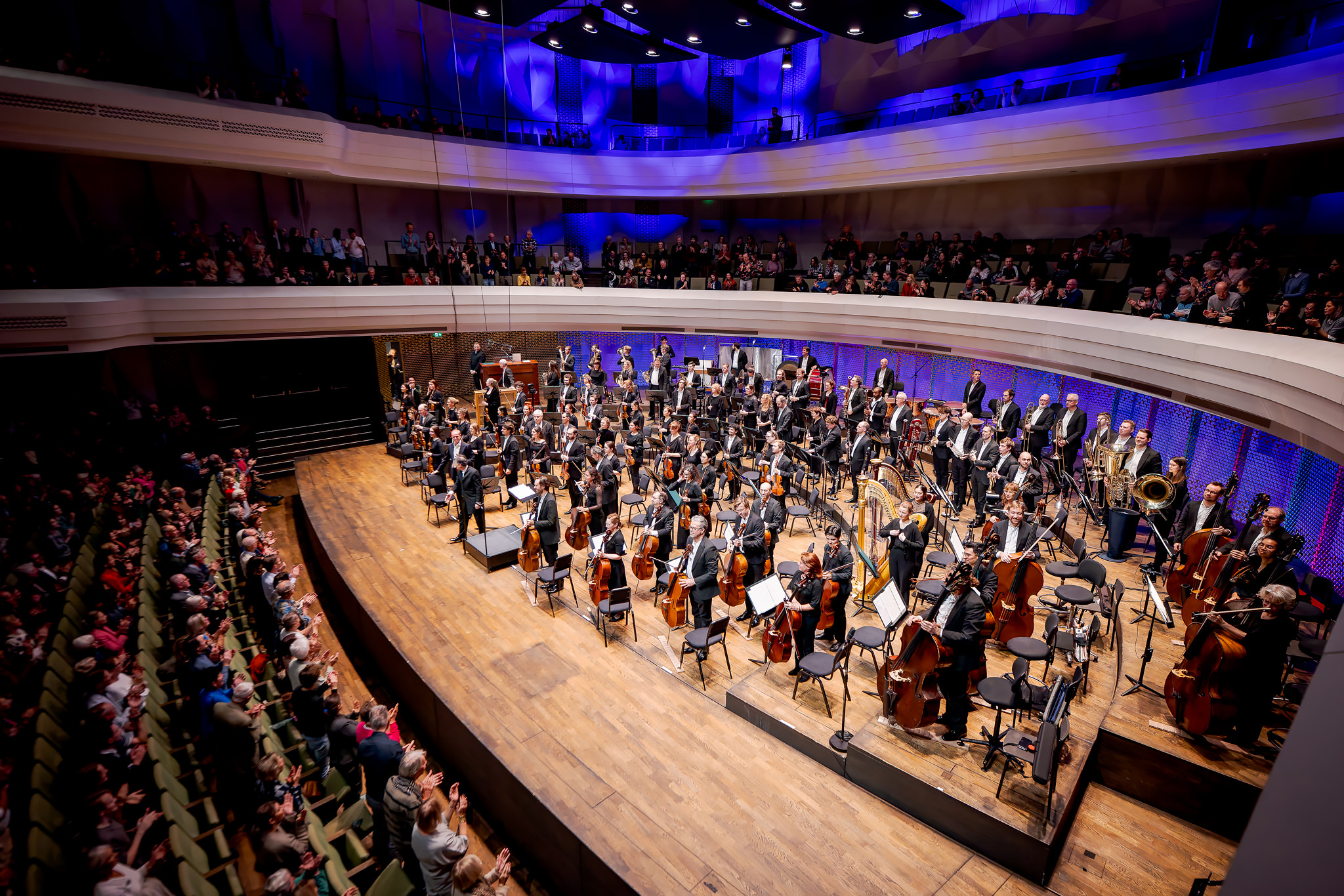
Residentie Orkest The Hague
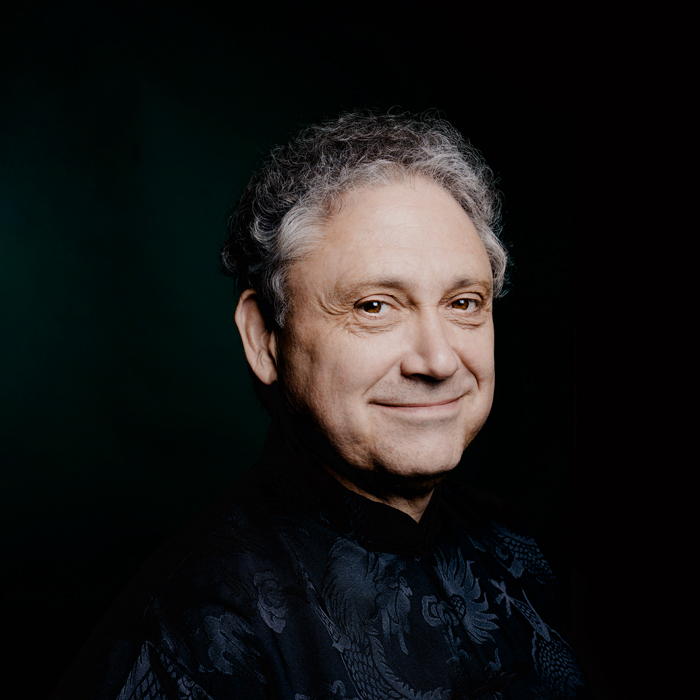
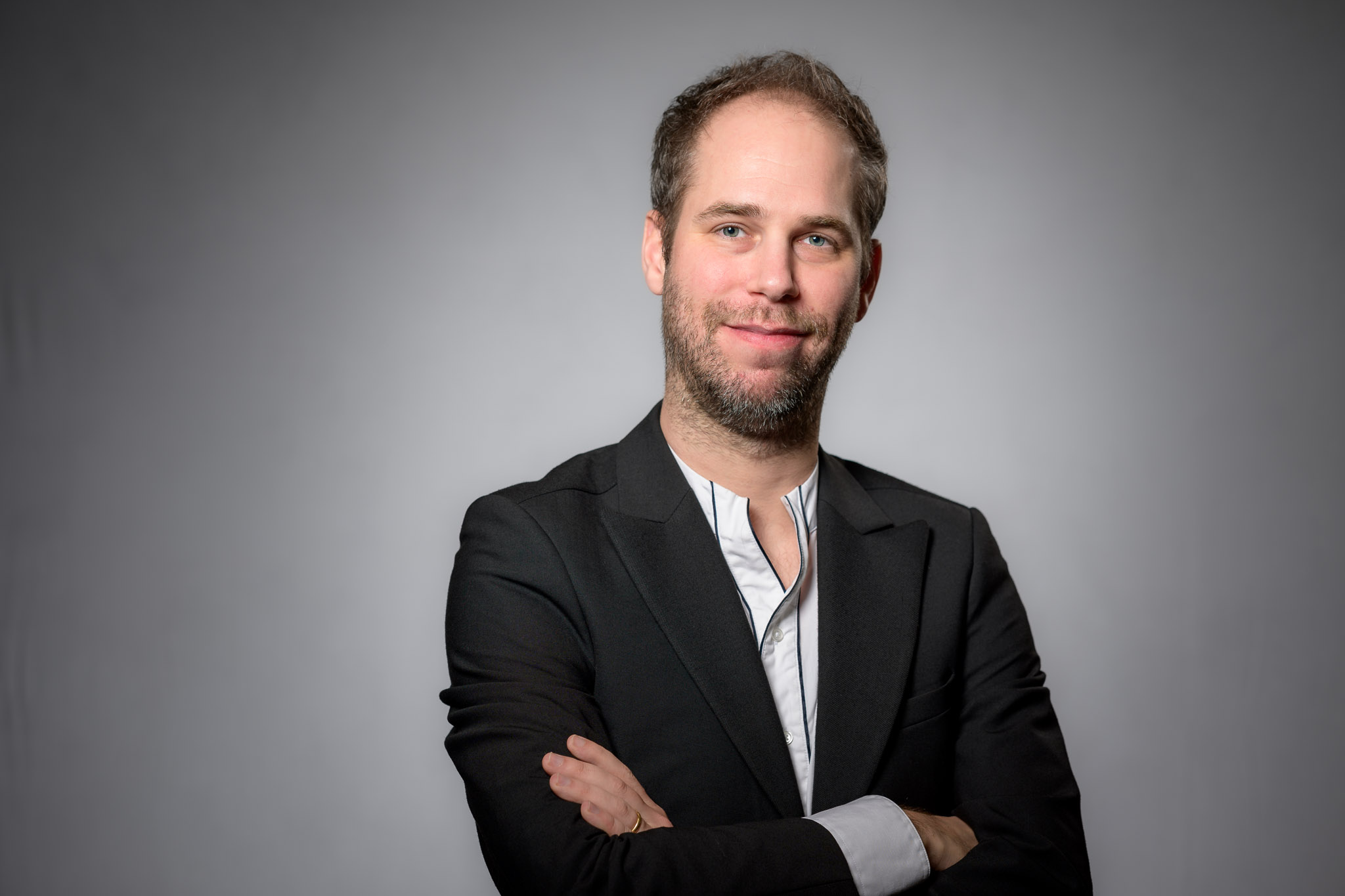
Richard Egarr
-1743421503.jpg)
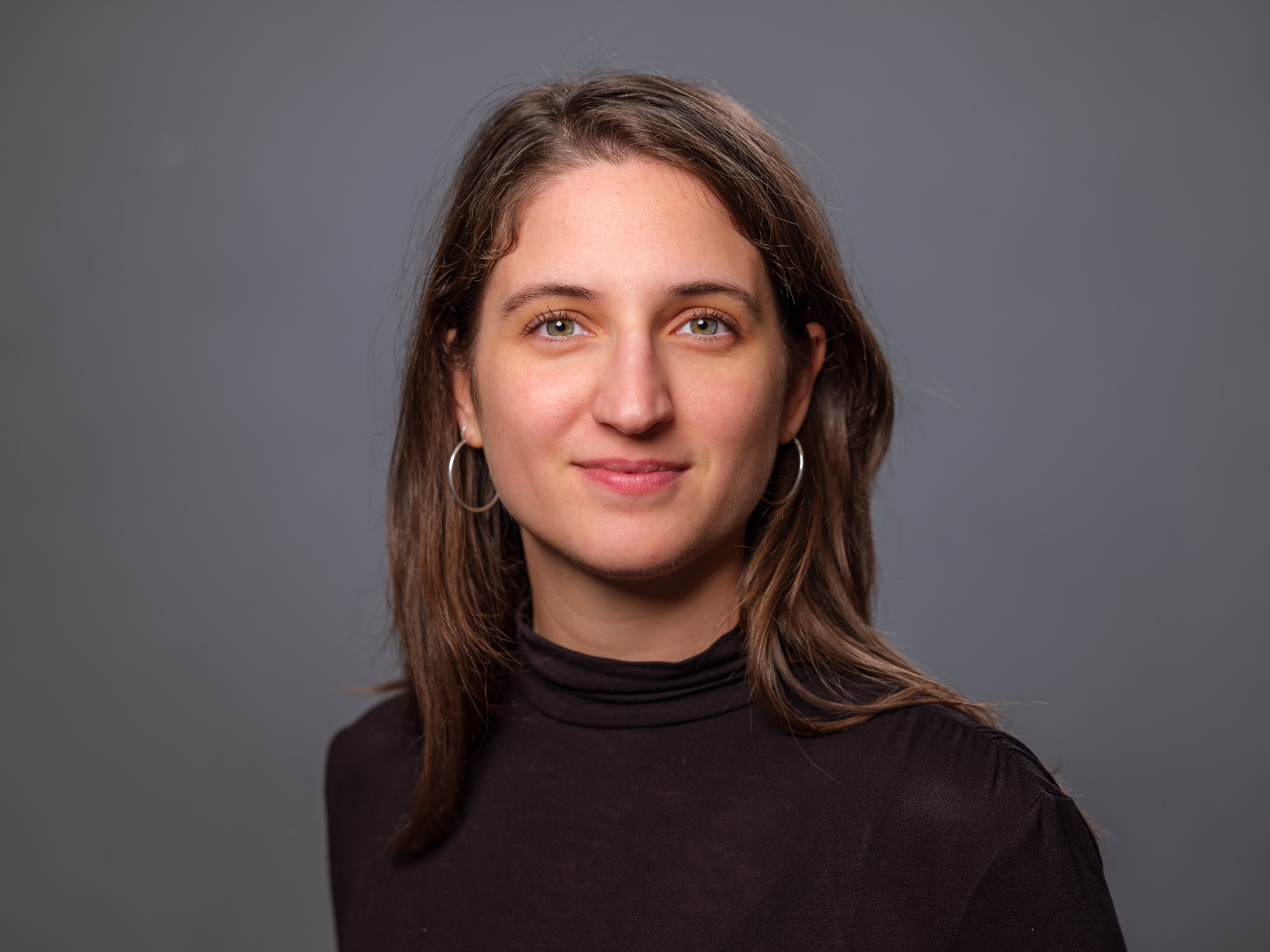
Bomsori Kim
Fun Fact
How much?!
In 1815 alone, Schubert wrote more than 20,000 bars of music, including four operas, two symphonies, two masses, and nearly 150 songs. In October 1815, he even wrote eight in one day...
RO QUIZ
Where did Brahms like to go most?-
The Hague
Correct answer: The Hague
Brahms visited The Hague several times to conduct his own works and perform as a soloist in venues such as the Gebouw voor Kunsten & Wetenschappen. He also enjoyed visiting Scheveningen, so much so that he regularly recommended the seaside resort to friends. However, Brahms did not enjoy a performance in Amsterdam and afterwards he reportedly said to his friend Julius Röntgen: "I will only return to Amsterdam to eat and drink well."
-
Arnhem
Correct answer: The Hague
Brahms visited The Hague several times to conduct his own works and perform as a soloist in venues such as the Gebouw voor Kunsten & Wetenschappen. He also enjoyed visiting Scheveningen, so much so that he regularly recommended the seaside resort to friends. However, Brahms did not enjoy a performance in Amsterdam and afterwards he reportedly said to his friend Julius Röntgen: "I will only return to Amsterdam to eat and drink well."
-
Amsterdam
Correct answer: The Hague
Brahms visited The Hague several times to conduct his own works and perform as a soloist in venues such as the Gebouw voor Kunsten & Wetenschappen. He also enjoyed visiting Scheveningen, so much so that he regularly recommended the seaside resort to friends. However, Brahms did not enjoy a performance in Amsterdam and afterwards he reportedly said to his friend Julius Röntgen: "I will only return to Amsterdam to eat and drink well."
Correct answer: The Hague
Brahms visited The Hague several times to conduct his own works and perform as a soloist in venues such as the Gebouw voor Kunsten & Wetenschappen. He also enjoyed visiting Scheveningen, so much so that he regularly recommended the seaside resort to friends. However, Brahms did not enjoy a performance in Amsterdam and afterwards he reportedly said to his friend Julius Röntgen: "I will only return to Amsterdam to eat and drink well."
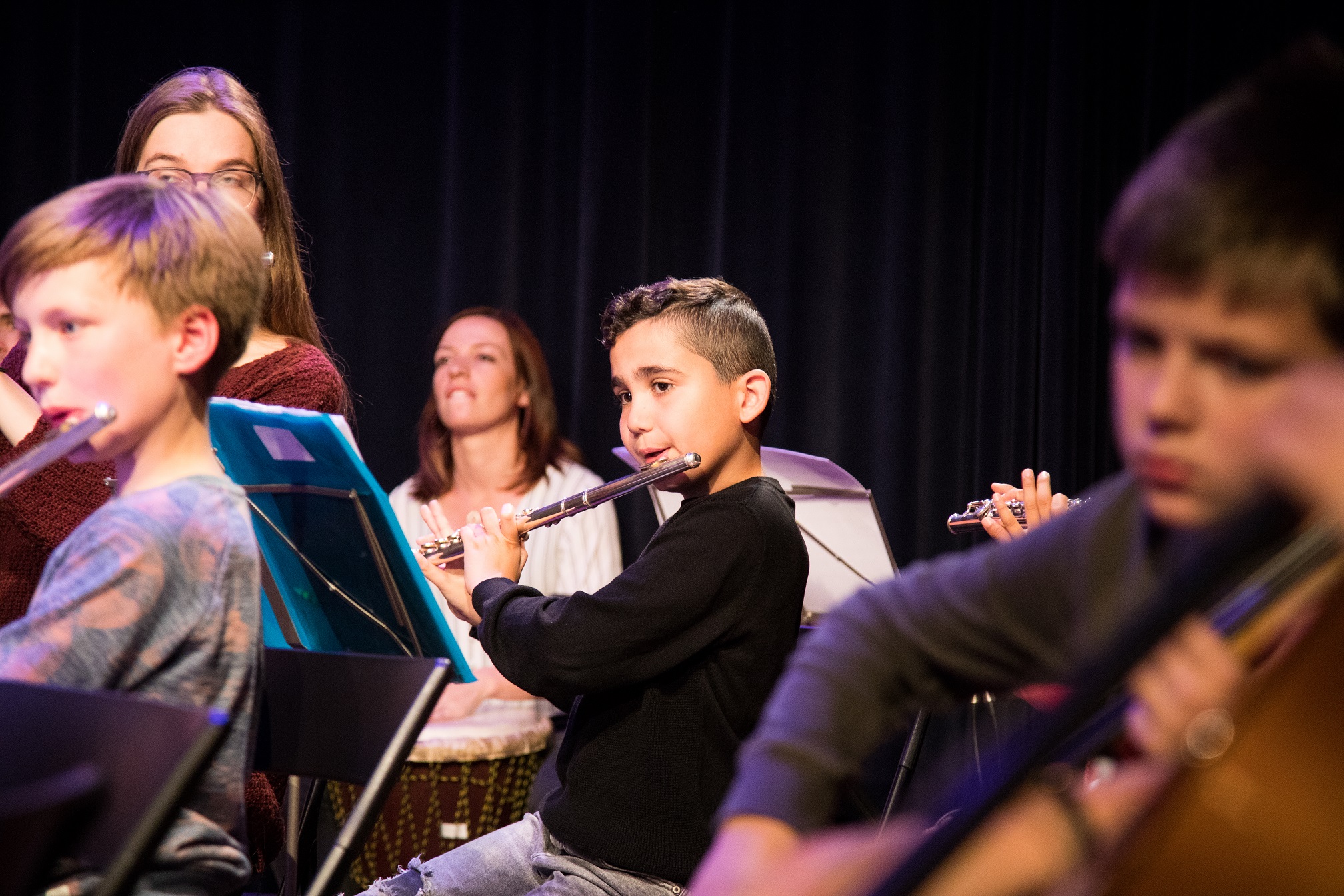
Help The Hague get music!
Support us and help reach and connect all residents of The Hague with our music.
View all program booklets
Be considerate of your neighbors and turn down your screen brightness.