Program Booklet
Close to Classics
Saturday
9:15 p.m.
to approximately 10:30 p.m.
Experience the overwhelming sounds of the most beautiful music from within.
🕰️ doors open
The doors of Amare (on the third floor of Amare) will open approximately 15 minutes before the concert. Before the concert, you can gather in Foyer 3.
🤫 Shhh...
The experience begins the moment you enter the room. We therefore ask that you sit down as quietly as possible and refrain from talking loudly once you are inside. We also recommend wearing shoes with soft soles to minimize noise as much as possible.
🪑 Changing seats
During the concert, there are eighty seats between the orchestra and eighty seats arranged in a square around the orchestra. Halfway through the concert, all visitors change seats. Visitors who were initially seated between the orchestra move to the seats around the orchestra and vice versa. This allows everyone to experience both unique perspectives.
📳 Please note
Please put your phone on silent and dim the screen so as not to disturb others during the concert. Taking photos is allowed during applause.
Programme
Wolfgang Amadeus Mozart (1756–1791)
Overture to Don Giovanni, KV 527 (1787)
Felix Mendelssohn Bartholdy ( 1809-1847)
Notturno from 'Ein Sommernachtstraum', Op. 61 (1842)
Ludwig van Beethoven (1770-1827)
Symphony No. 4 in B-flat, op. 60 (1806)
Part 4: Allegro ma non troppo
Max Richter (1966)
On the Nature of Daylight (2003)
Thijmen Krijgsman (2003)
One Minute Symphony XL: Les Rêves de ceux qui Rêvent (2025)
Francis Poulenc (1899–1963)
Sinfonietta, Op. 141 (1947–48)
Part 4: Very quickly and very cheerfully
Prefer it on paper? Download a condensed printable version of this program.
Biographies
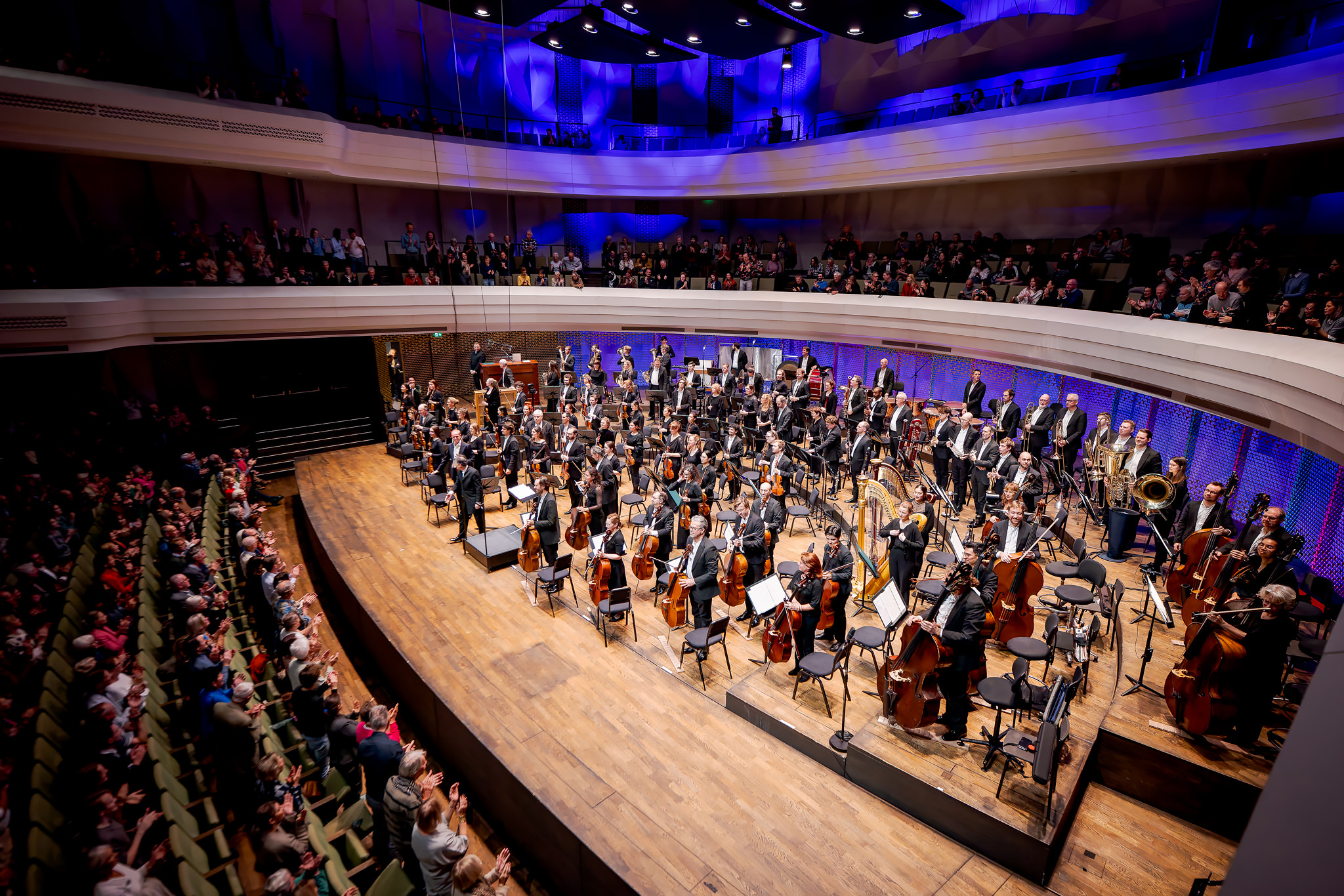
Residentie Orkest The Hague

Chloe Rooke
Fun Fact
Palindrome
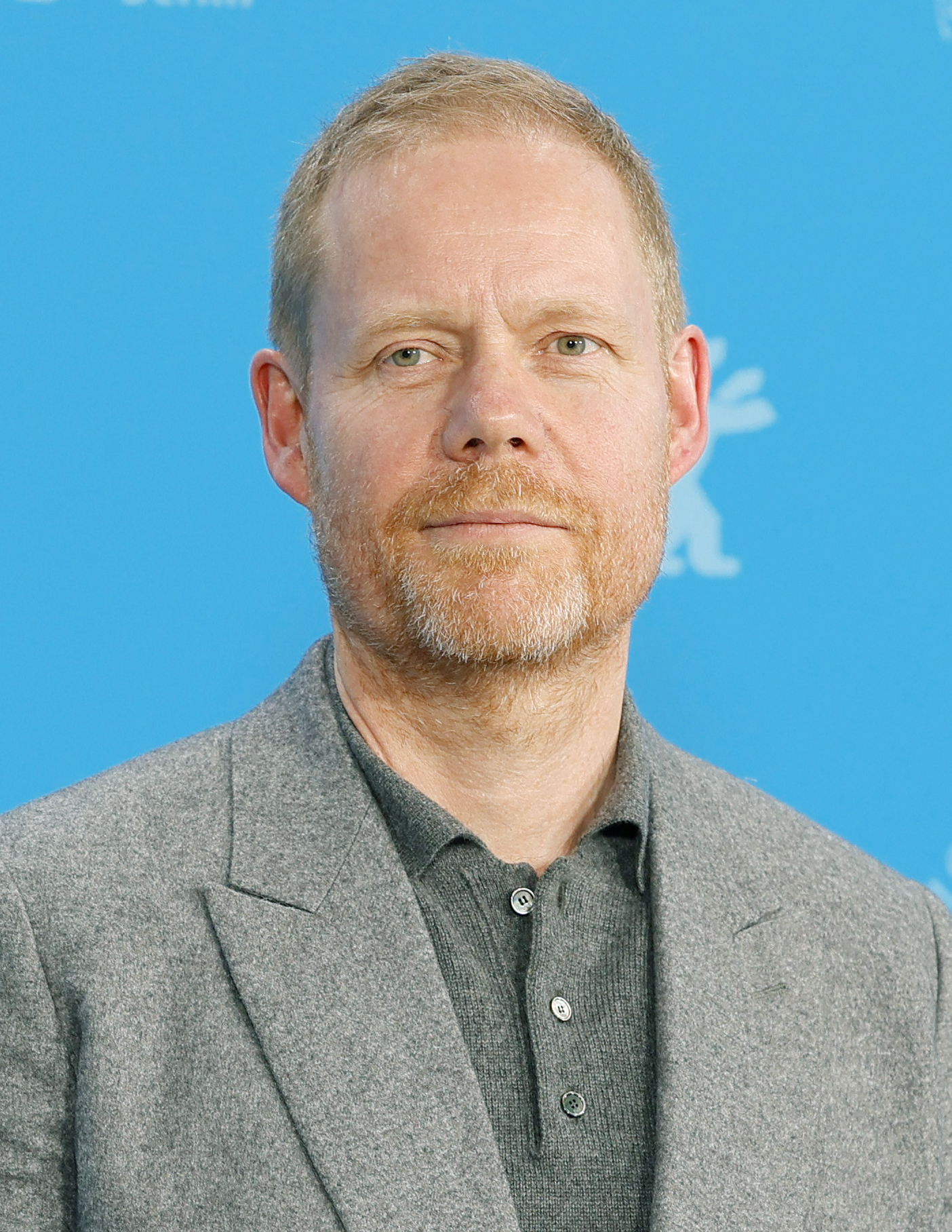
Max Richter's moving On the Nature of Daylight is structured like a musical palindrome. Just like a word that reads the same forwards and backwards, this work can also be played backwards. Richter was inspired by Renaissance music and wrote it for his album The Blue Notebooks (2003), a response to the war in Iraq. This mirrored structure later proved perfect for film: in Denis Villeneuve's Arrival , you hear the piece at both the beginning and the end, fitting themes such as memory, destiny, and non-linear time.
Fun Fact
Dreams
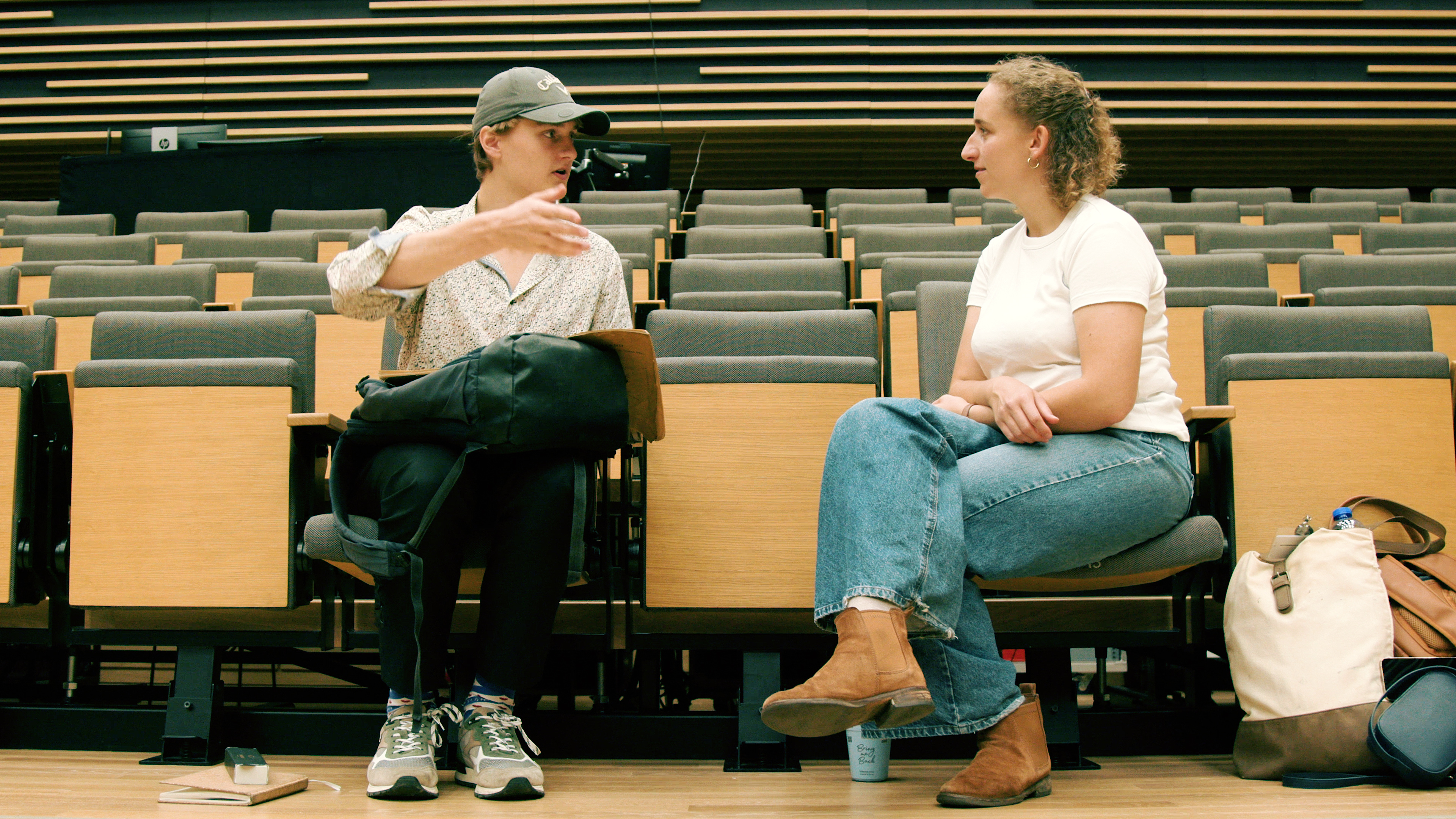
The One Minute Symphony XL was written by Thijmen Krijgsman. Krijgsman found his immediate inspiration in an online video clip by French philosopher Gilles Deleuze. In it, Deleuze talks about the films of director Vincente Minnelli and his unique view on dreams. Deleuze describes dreams as forces that not only take place in the dreamer's head, but also extend to the outside world. Anyone who enters another person's dream, he warns, runs the risk of being overwhelmed. "Beware of other people's dreams," says Deleuze. "Once you're trapped in one, you're done for."
Read more in our magazine >

Help The Hague get music!
Support us and help reach and connect all residents of The Hague with our music.
View all program booklets
Be considerate of your neighbors and turn down your screen brightness.