Program Booklet
Sunday Morning Concert: Brahms & Mendelssohn
Sunday November 8
11:00 a.m. to approximately 12:15 p.m.
Brahms’ Double Concerto and Mendelssohn’s sunniest symphony: a wonderful way to start Sunday morning.
📳
Please put your phone on silent and dim the screen so as not to disturb others during the concert. Taking photos is allowed during applause.
Programme
Johannes Brahms (1833–1897)
Concerto for Violin, Cello, and Orchestra in A minor, Op. 102 ( 1887)
Allegro
Andante
Vivace non troppo
Felix Mendelssohn Bartholdy ( 1809–1847)
Symphony No. 4 in A, Op. 90, “Italian” (1833)
Allegro vivace
Andante con moto
Con moto moderato
Saltarello: Presto
End of concert approximately 12:15 p.m.
What are you going to listen to?
Start your Sunday morning with music that transports you to other worlds. Liza Ferschtman and Ivan Karizna bring Brahms’ Double Concerto to life with flair and great chemistry. Conductor Jonathan Bloxham leads the Residentie Orkest through Mendelssohn’s energetic Italian Symphony: cheerful, sparkling, and full of verve. A concert to lift your spirits.
Reconciliation
As amiable as the shy Johannes Brahms may have been, he was sometimes downright awkward in his social interactions. One of his worst blunders involved the famous violinist Joseph Joachim. They had been close friends for years, and Brahms even wrote his renowned Violin Concerto for him. But when the composer rather unwisely interfered in Joachim’s divorce, their friendship came to an end. For a long time, Brahms searched for a way to mend the rift. The idea came to him unexpectedly while he was working on a cello concerto he was writing at the request of Robert Hausmann, cellist of the Joachim Quartet. A violin concerto as a gesture of reconciliation toward Joachim would have been far too obvious. But if he were to add a solo violin part to the cello concerto, the hint would be much more subtle. Brahms did everything he could to win over his former friend. On the title page, he wrote solemnly but cryptically: “To the one for whom it is written.” And in the music, he incorporated a theme from Viotti’s Violin Concerto No. 22, one of Joachim’s favorite works. Thanks in part to the help of his very close friend Clara Schumann, the plan succeeded. In the summer of 1887, a piano rehearsal took place at her home with Joachim, Hausmann, and Brahms at the piano. Shortly thereafter, the premiere took place at the Gürzenich Hall in Cologne.
It took a long time for the Double Concerto to truly gain recognition among the general public. Brahms was partly to blame for this himself, especially since he had composed it solely as a means of reconciliation. He described the work as “an amusing little idea,” “a bit of mischief,” “a bit of nonsense.” And Joachim, Hausmann, and Clara found the work just a bit too lacking in brilliance to truly shine. But that is precisely where the work’s strength lies. The composition is like a double dialogue. The two solo instruments engage in a dialogue with one another, at times almost merging into a single string instrument of unprecedented musical scope. Thus, as a unified duo, they enter into a discussion with the orchestra, which does not merely accompany the soloists but—as is the case in all of Brahms’s solo concertos—serves as a compelling conversational partner. True virtuosity, therefore, lies not so much in the performance as in the composition itself.
The best part
On October 18, 1830, the young Felix Mendelssohn set foot on Italian soil, a journey he had undertaken on the advice of Goethe, a close family friend of the Mendelssohns. Via Venice and Florence, he arrived in Rome a few weeks later. He moved into an apartment on the Piazza di Spagna, wandered through the city to discover all its sights, and, as a member of a prominent German family, moved in the highest ecclesiastical and civic circles. But Mendelssohn did not forget about music. Almost every morning, he spent a few hours composing before heading out. This is how he made the first sketches for a new symphony. “It will be the most delightful piece I’ve written so far, especially the ‘ Last ’ movement,” he wrote to his sister Fanny. And indeed, the entire work was thoroughly Italian, with a sunny opening, an andante inspired by one of the many processions he saw passing by, and, as a finale, a true saltarello—a fast-paced Italian folk dance.
Once back home, the symphony—which, of course, came to be known as the “Italian”—proved more challenging than expected. Mendelssohn developed the sketches into a full-fledged work that premiered in London in 1833. The concert was a great success, but he himself was not satisfied with the result. He put a hold on further performances and publication and continued to revise and improve it for the rest of his life. It was not published until years after his death. From that moment on, the “Italian” grew to become one of Mendelssohn’s most beloved works.
Kees Wisse
Prefer it on paper? Download a condensed printable version of this program.
Biographies
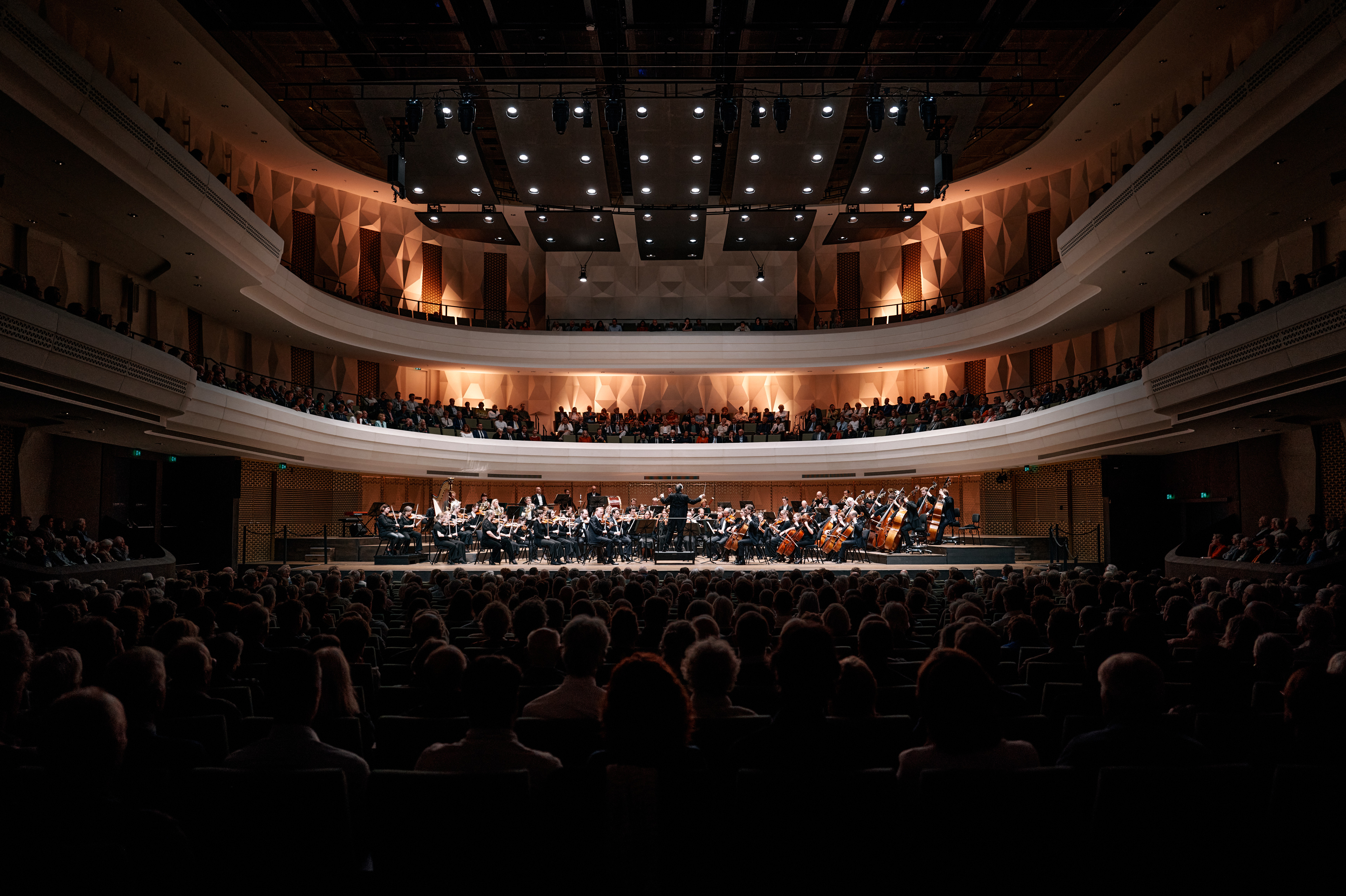
Residentie Orkest The Hague
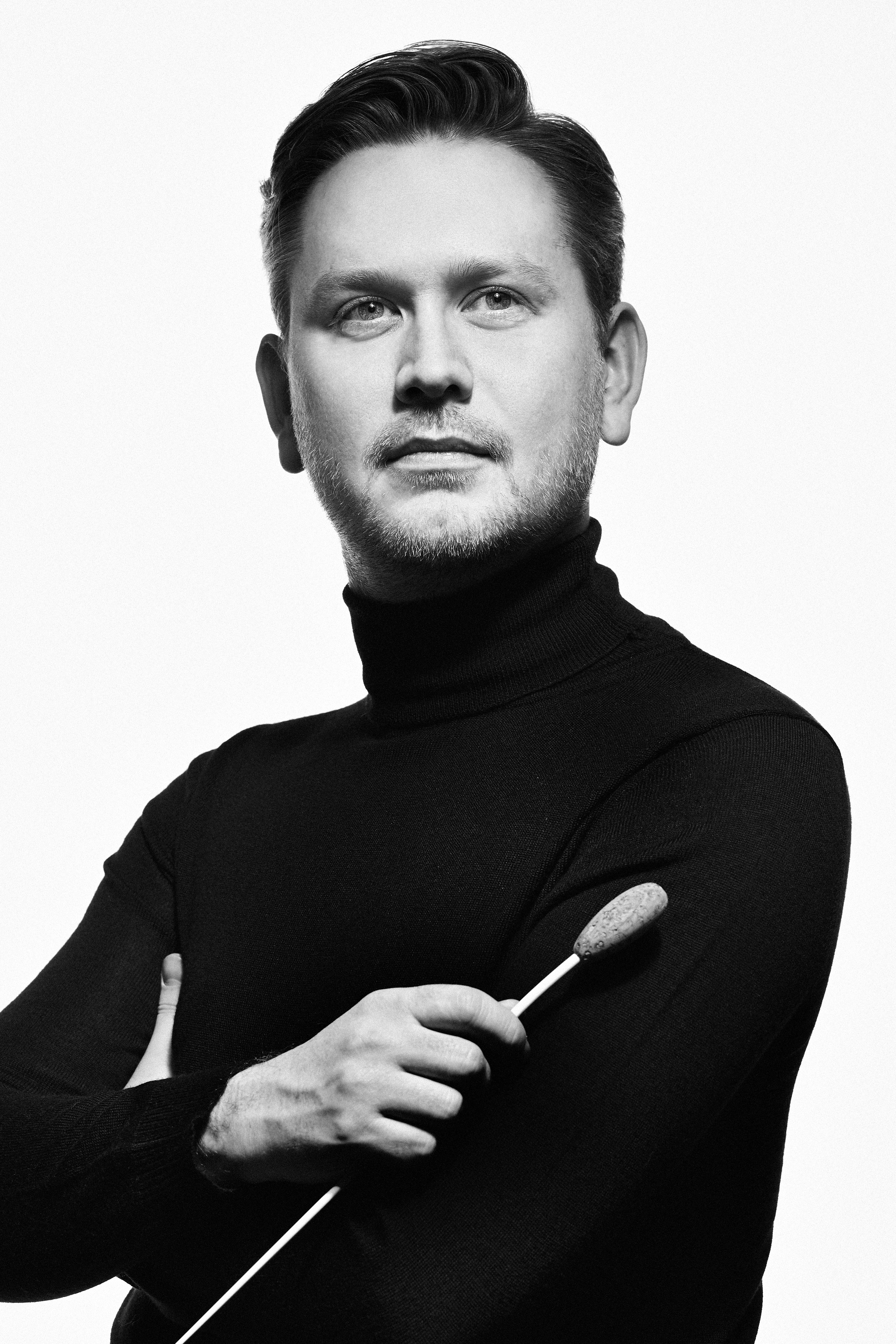
Jonathan Bloxham
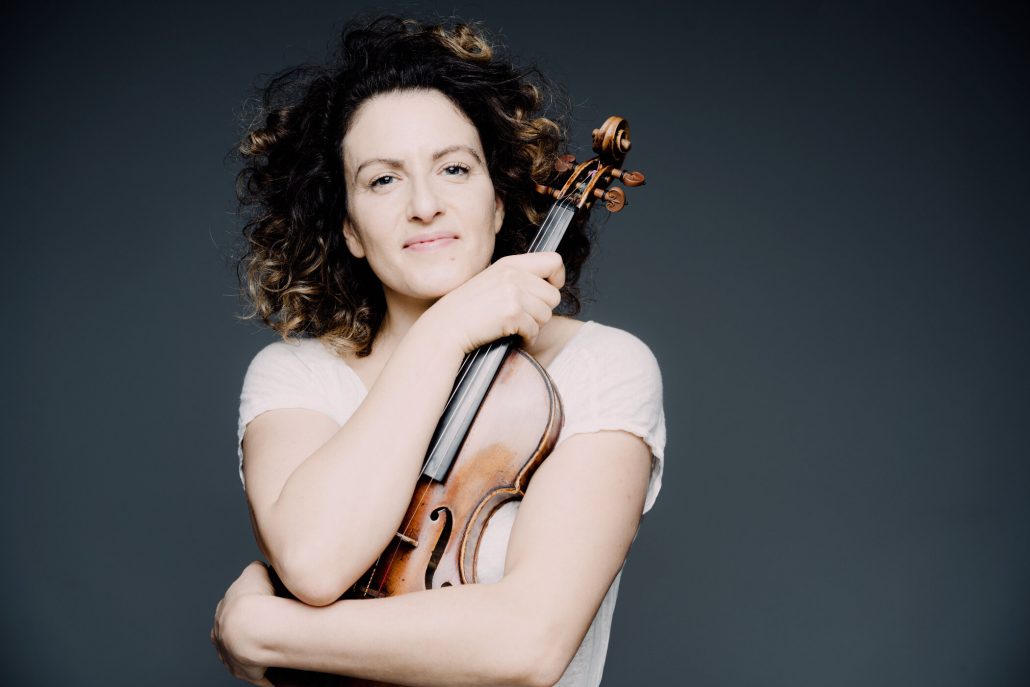
Liza Ferschtman
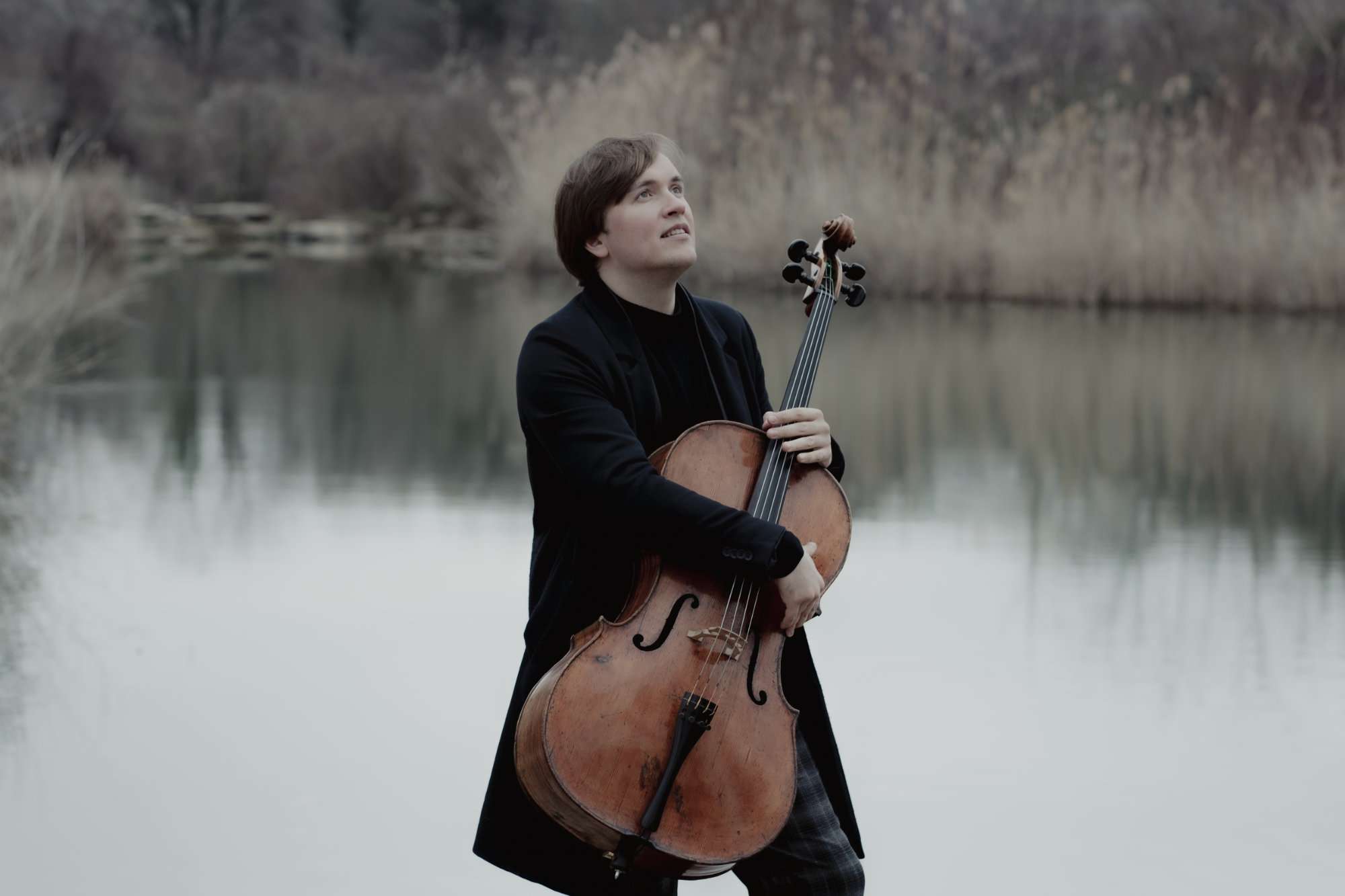
Ivan Karizna
Fun Fact
Brahms in the Netherlands
Brahms visited the Netherlands several times to conduct his own works or perform as a soloist, such as in The Hague. However, he was not pleased with a performance in Amsterdam, and afterward he is said to have told his friend Julius Röntgen: “The only reason I’ll ever come back to Amsterdam is to eat and drink well.”
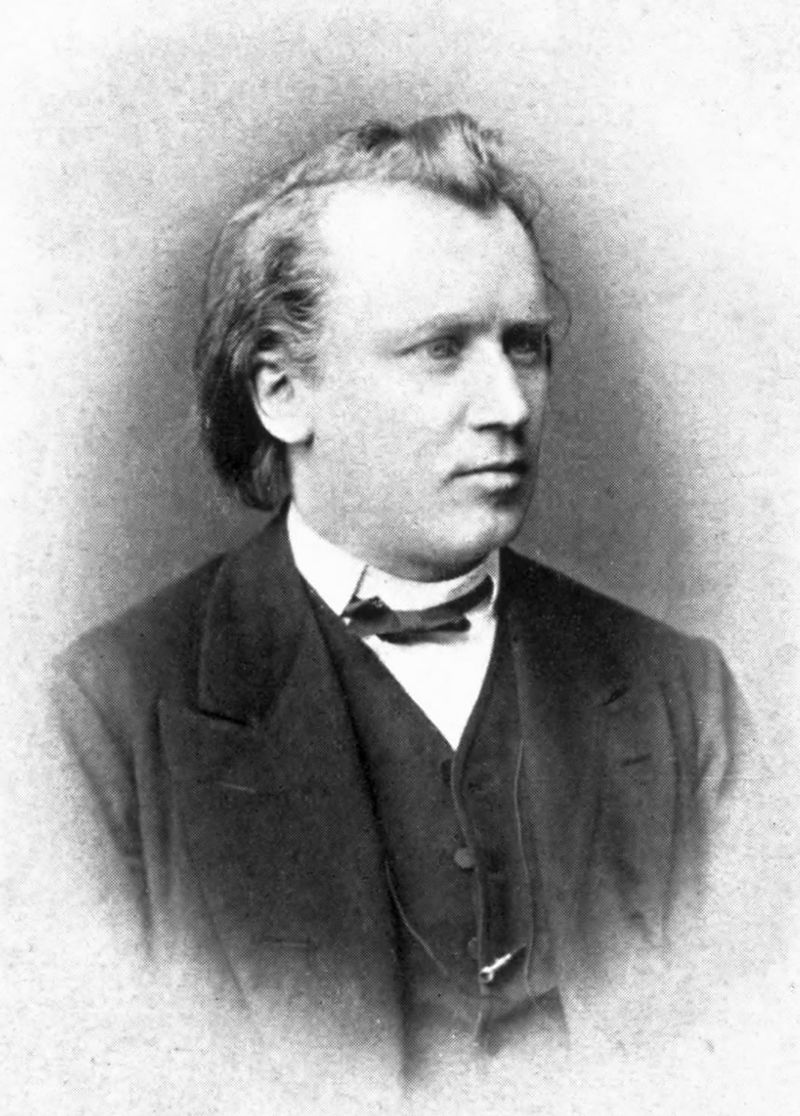
London hotspot
What would be considered a historic “ Concert Hall ” today was a musical hotspot in the nineteenth century. Works by Haydn and Mendelssohn premiered at the Hanover Square Rooms, and greats such as Paganini, Liszt, and Berlioz performed there. Even the young violin virtuoso Joseph Joachim played there at the age of twelve. It was in that hall that Haydn’s Second Cello Concerto received its world premiere.
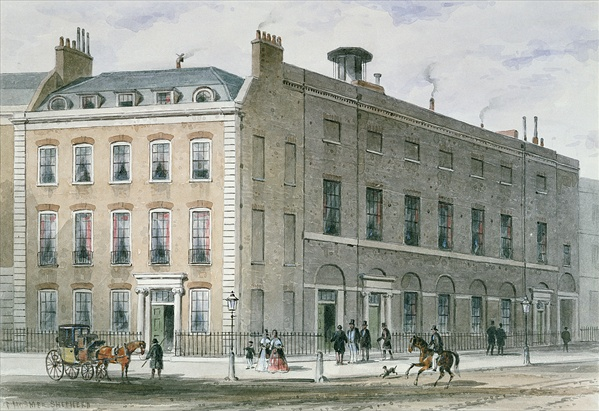
RO QUIZ
Who painted The Hague's Groenmarkt?-
Felix Mendelssohn
Felix Mendelssohn
Felix Mendelssohn was not only a composer but also a gifted painter who loved to capture scenes from nature. He also liked to travel and visited The Hague and Scheveningen in 1836. Unfortunately, he did not write a Hague symphony or overture here, but he did make drawings of the Kleine Groenmarkt, among other places.
-
Joseph Haydn
Felix Mendelssohn
Felix Mendelssohn was not only a composer but also a gifted painter who loved to capture scenes from nature. He also liked to travel and visited The Hague and Scheveningen in 1836. Unfortunately, he did not write a Hague symphony or overture here, but he did make drawings of the Kleine Groenmarkt, among other places.
-
Fanny Mendelssohn
Felix Mendelssohn
Felix Mendelssohn was not only a composer but also a gifted painter who loved to capture scenes from nature. He also liked to travel and visited The Hague and Scheveningen in 1836. Unfortunately, he did not write a Hague symphony or overture here, but he did make drawings of the Kleine Groenmarkt, among other places.
Felix Mendelssohn
Felix Mendelssohn was not only a composer but also a gifted painter who loved to capture scenes from nature. He also liked to travel and visited The Hague and Scheveningen in 1836. Unfortunately, he did not write a Hague symphony or overture here, but he did make drawings of the Kleine Groenmarkt, among other places.

Help The Hague get music!
Support us and help reach and connect all residents of The Hague with our music.
View all program booklets
Be considerate of your neighbors and turn down your screen brightness.