Program Booklet
Haydn & Mendelssohn
Friday November 6
7:15 p.m.
until approximately 10:00 p.m.
Meet world-renowned cellist Sheku Kanneh-Mason at the Residentie Orkest. The program features Haydn, a new work, and Mendelssohn’s sunny “Italian” Symphony.
📳
Please put your phone on silent and dim the screen so as not to disturb others during the concert. Taking photos is allowed during applause.
Programme
Prior to this concert, “ Starter ” will take place at 7:30 p.m. It’s a lively and informal pre-concert program featuring live performances by our own musicians as well as interviews with soloists and conductors. “ Starter ” is free to attend and takes place in the Swing Foyer next to the “ cloakroom.”
Amarante Nat ( 1995)
Through Absence (2026, world premiere)
Joseph Haydn ( 1732–1809)
Cello Concerto No. 2 in D, Hob VIIb/2 (1784)
Allegro moderato
Adagio
Rondo: Allegro
Felix Mendelssohn Bartholdy ( 1809–1847)
Symphony No. 4 in A, Op. 90, “Italian” (1833)
Allegro vivace
Andante con moto
Con moto moderato
Saltarello: Presto
End of concert approximately 10 p.m.
What are you going to listen to?
“To be or not to be,” Shakespeare had his hero Hamlet ask himself in despair. Amarante Nat knows exactly how to handle this in her latest composition. Haydn and Mendelssohn are prominently featured in this concert with two of their beloved works.
Contrast
For Amarante Nat, a new work often begins with the title. She intuitively lets the words sink in—not only in terms of their meaning but also in terms of their feeling—and translates that into a composition. This was also the case with *Through Absence*. She initially set out to explore the origins of these words. With “through,” she went back to the Proto-Indo-European root. In that original form, the word consisted of two elements meaning “to cross” and “to see.” “Absence” is of Latin origin and consists of the concepts “absent” and “to be.” She found a beautiful contrast there: “through” is a movement that passes through something, while “absence” is a motionless state of non-being. In *Through Absence*, Amarante Nat seeks to transcend that contrast, as an intersection where beauty can be found. “A moment when that which is incomprehensible reveals its true face, only to disappear again before we can truly fathom it,” as she puts it herself.
English cellist
Food for thought for musicologists—that’s how one might describe the mysteries surrounding Haydn’s Cello Concerto in D . It all began at the court of the fabulously wealthy Esterházy noble family, where Joseph Haydn served as concertmaster, with Antonín Kraft as the talented principal cellist of the court orchestra. It seemed obvious that Haydn would have written this Cello Concerto for him in 1783. At least, that is what musicologist Gustav Schilling claimed in his *Encyclopädie der gesammten musikalischen Wissenschaften*, published in 1837 . He had first-hand knowledge, as Kraft’s son Nikolaus had told him so himself. In fact, the son even believed that his father had composed the work himself, but that claim was quickly disproved. A new discovery in 2019 brought some remarkable facts to light. A London newspaper dated March 24, 1784, carried an announcement that the famous English cellist John Cervetto would perform a new cello concerto by Haydn. In reviews published a few days later, Haydn’s music was praised for perfectly complementing the expressive melodiousness and fluid virtuosity for which Cervetto was known. Given the timing of the performance and the description in the newspapers, it could only have been Haydn’s Cello Concerto in D major , although it is not known how the two came into contact with one another.
As you listen to the music, you cannot deny how true the reviewer’s words were in 1784. In all three movements of the Cello Concerto—whether it’s the gallant opening, the dreamy adagio, or the dance-like finale— , Haydn develops his delicate melodies into subtle virtuosity that never grows tiresome.
The best part
On October 18, 1830, the young Felix Mendelssohn set foot on Italian soil, a journey he had undertaken on the advice of Goethe, a close family friend of the Mendelssohns. Via Venice and Florence, he arrived in Rome a few weeks later. He moved into an apartment on the Piazza di Spagna, wandered through the city to discover all its sights, and, as a member of a prominent German family, moved in the highest ecclesiastical and civic circles. But Mendelssohn did not forget about music. Almost every morning, he spent a few hours composing before heading out. This is how he made the first sketches for a new symphony. “It will be the most delightful piece I’ve written so far, especially the ‘ Last ’ movement,” he wrote to his sister Fanny. And indeed, the entire work was thoroughly Italian, with a sunny opening, an andante inspired by one of the many processions he saw passing by, and, as a finale, a true saltarello—a fast-paced Italian folk dance.
Once back home, the symphony—which, of course, came to be known as the “Italian”—proved more challenging than expected. Mendelssohn developed the sketches into a full-fledged work that premiered in London in 1833. The concert was a great success, but he himself was not satisfied with the result. He put a hold on further performances and publication and continued to revise and improve it for the rest of his life. It was not published until years after his death. From that moment on, the “Italian” grew to become one of Mendelssohn’s most beloved works.
Kees Wisse
Prefer it on paper? Download a condensed printable version of this program.
Biographies
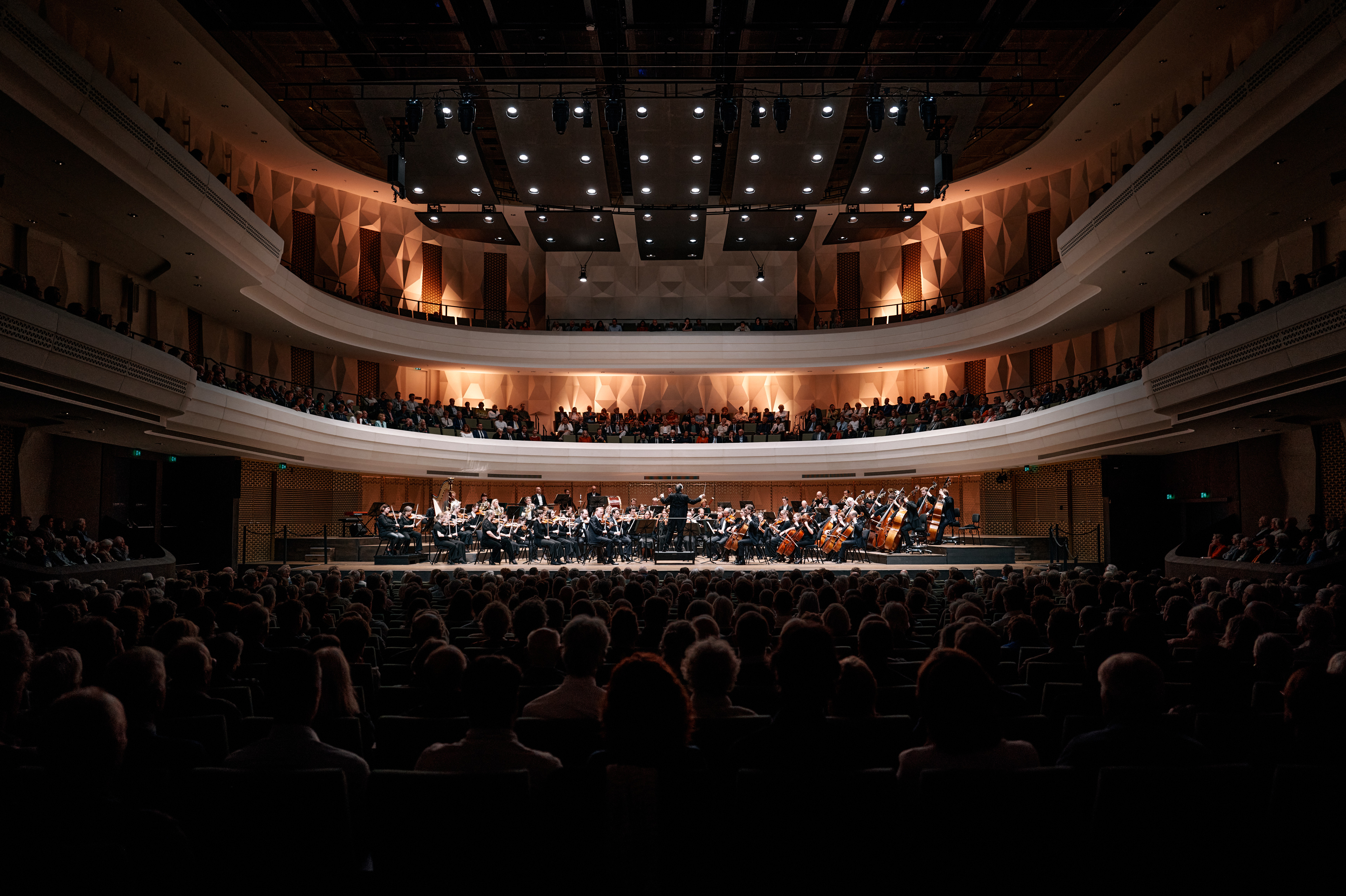
Residentie Orkest The Hague
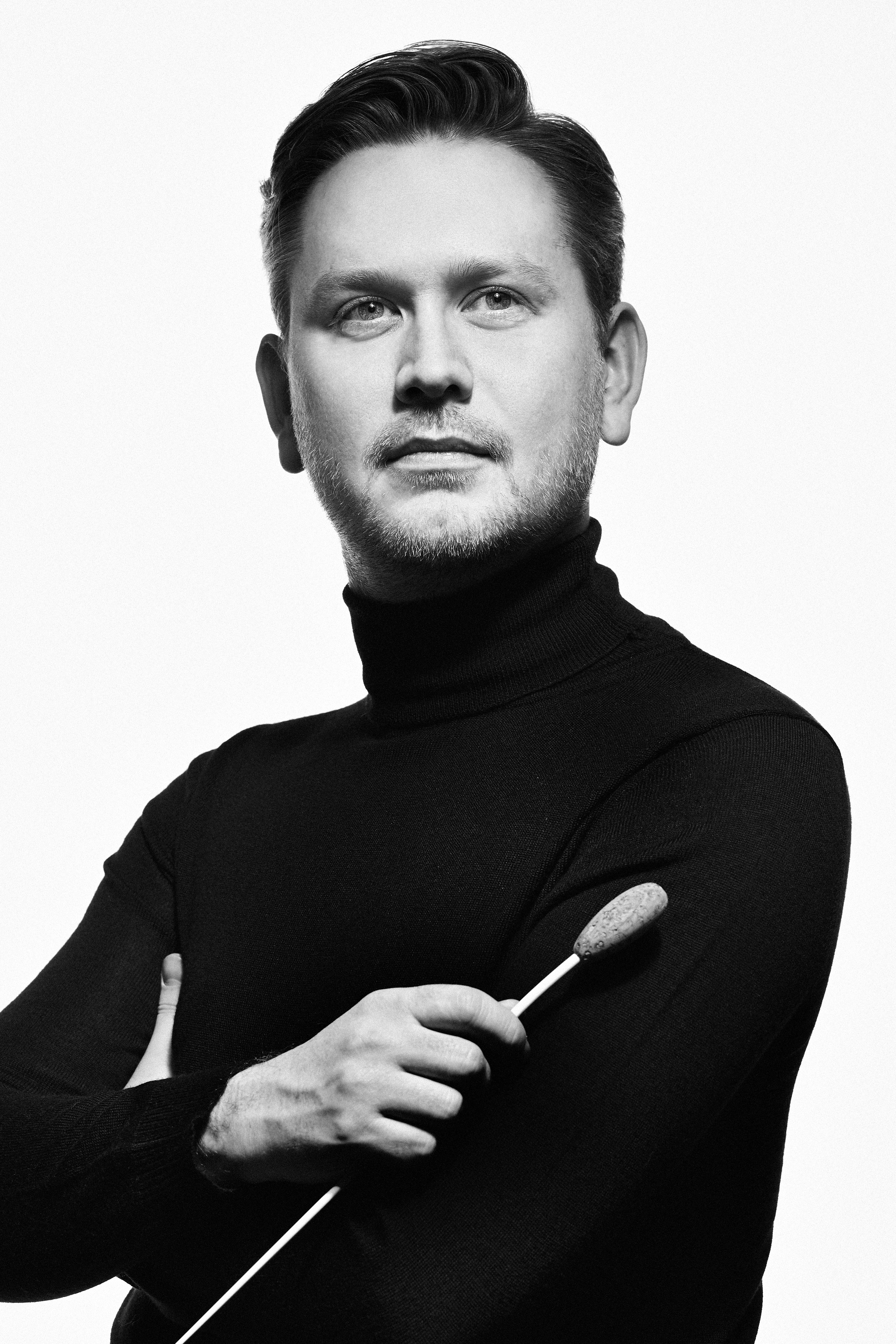
Jonathan Bloxham
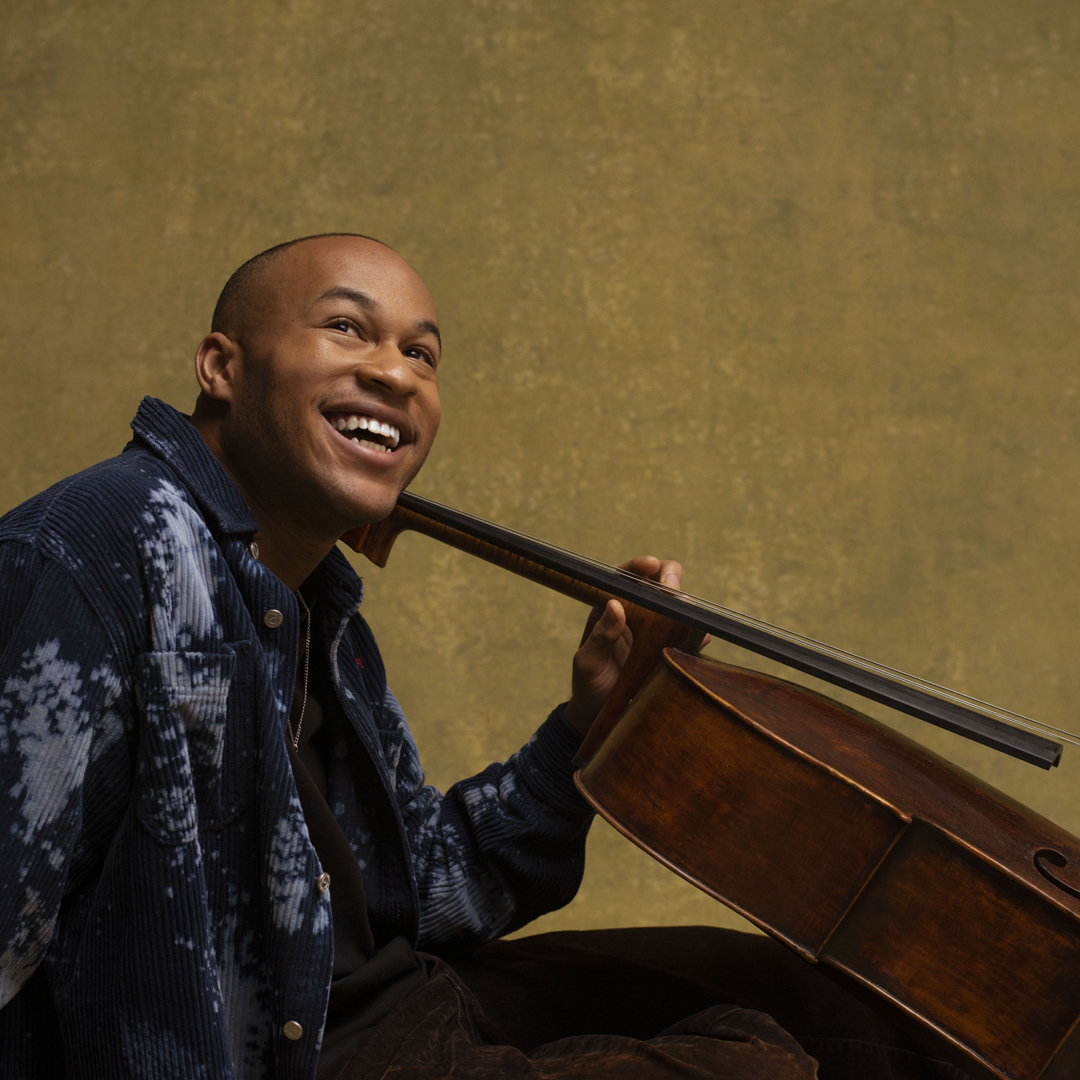
Sheku Kanneh-Mason
Fun Facts
Two Opposites
During his stay in Rome, Mendelssohn met Hector Berlioz, who was living in the city temporarily as the winner of the Prix de Rome. They were completely different in character and had no regard for each other’s compositions. Nevertheless, a special bond of friendship developed between them, and they enjoyed the city’s vibrant life together.
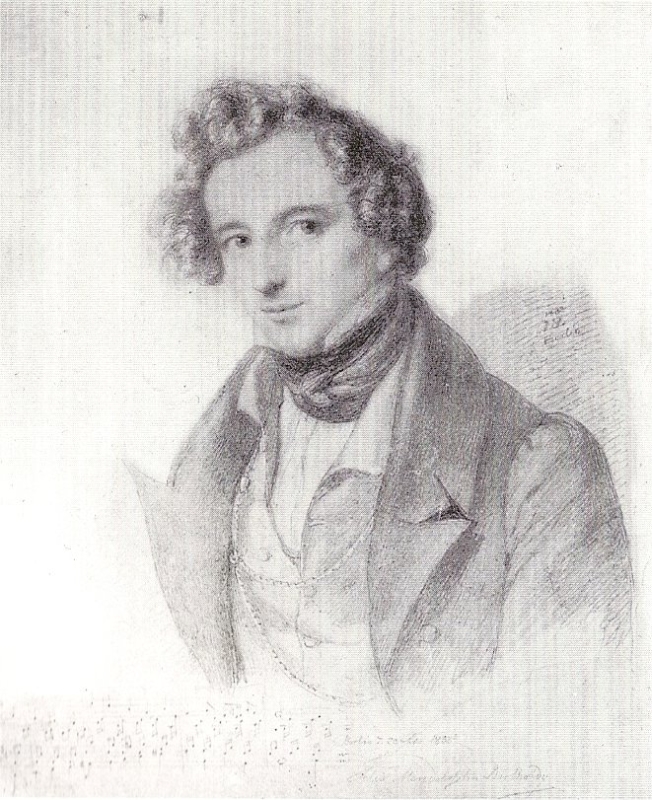
London hotspot
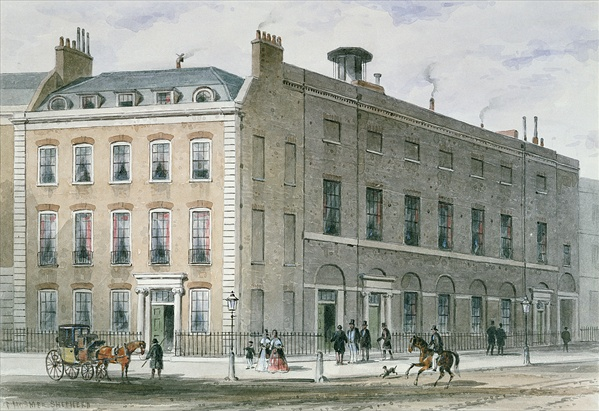
What would be considered a historic “ Concert Hall ” today was a musical hotspot in the nineteenth century. Works by Haydn and Mendelssohn premiered at the Hanover Square Rooms, and greats such as Paganini, Liszt, and Berlioz performed there. Even the young violin virtuoso Joseph Joachim played there at the age of twelve. It was in that hall that Haydn’s Second Cello Concerto received its world premiere.
RO QUIZ
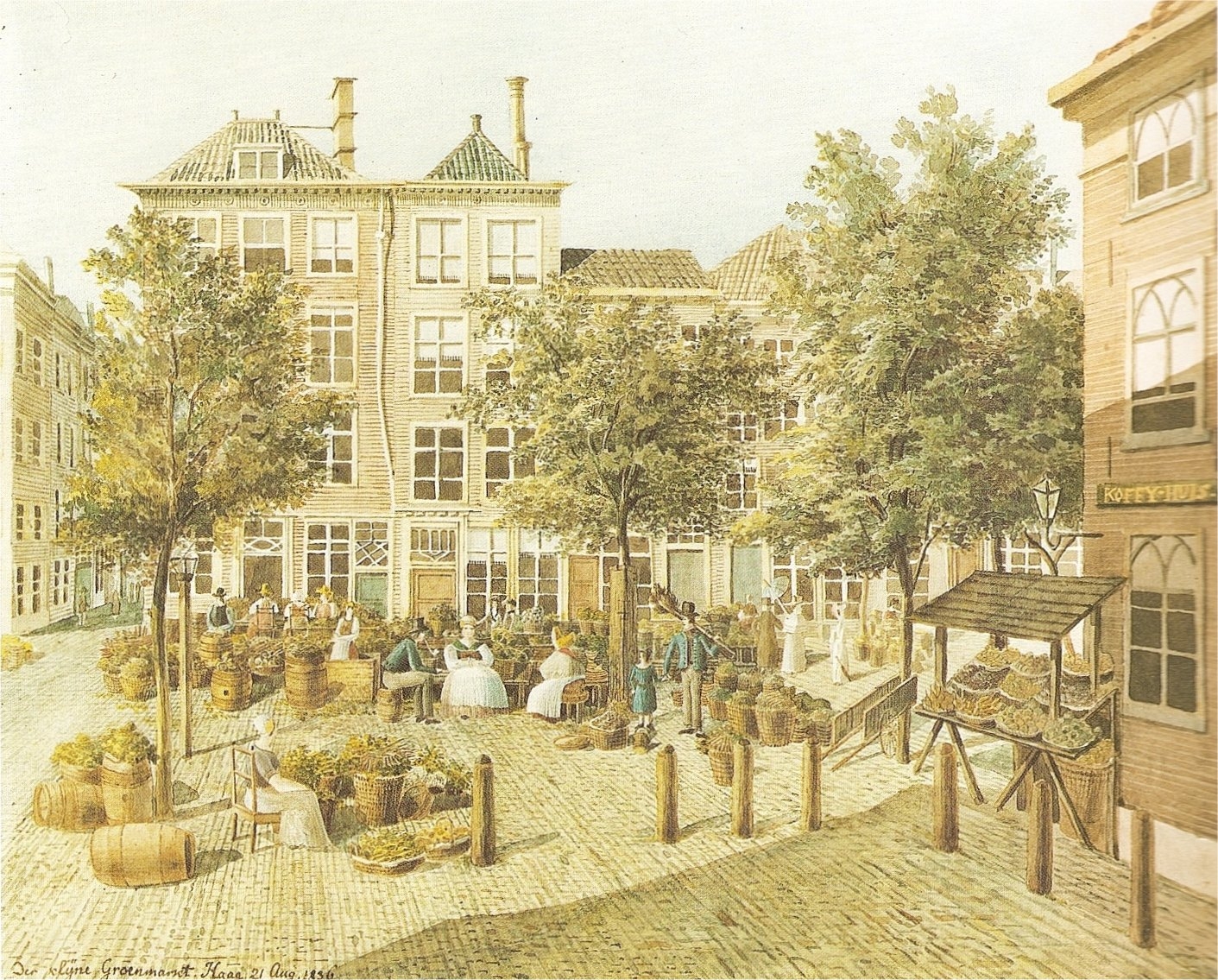
Who painted The Hague's Groenmarkt?-
Felix Mendelssohn
Felix Mendelssohn
Felix Mendelssohn was not only a composer but also a gifted painter who loved to capture scenes from nature. He also liked to travel and visited The Hague and Scheveningen in 1836. Unfortunately, he did not write a Hague symphony or overture here, but he did make drawings of the Kleine Groenmarkt, among other places.
-
Joseph Haydn
Felix Mendelssohn
Felix Mendelssohn was not only a composer but also a gifted painter who loved to capture scenes from nature. He also liked to travel and visited The Hague and Scheveningen in 1836. Unfortunately, he did not write a Hague symphony or overture here, but he did make drawings of the Kleine Groenmarkt, among other places.
-
Fanny Mendelssohn
Felix Mendelssohn
Felix Mendelssohn was not only a composer but also a gifted painter who loved to capture scenes from nature. He also liked to travel and visited The Hague and Scheveningen in 1836. Unfortunately, he did not write a Hague symphony or overture here, but he did make drawings of the Kleine Groenmarkt, among other places.
Felix Mendelssohn
Felix Mendelssohn was not only a composer but also a gifted painter who loved to capture scenes from nature. He also liked to travel and visited The Hague and Scheveningen in 1836. Unfortunately, he did not write a Hague symphony or overture here, but he did make drawings of the Kleine Groenmarkt, among other places.



Help The Hague get music!
Support us and help reach and connect all residents of The Hague with our music.

View all program booklets
Be considerate of your neighbors and turn down your screen brightness.