Program Booklet
RO NOW: Symphonic Waltzes
Saturday
8:30 p.m.
to approximately 10:00 p.m.
A short but sweet evening of timeless music. Immerse yourself in Viennese splendour with Richard Strauss's musical delights and Johann Strauss Jr.'s dazzling waltzes.
Prior to the concert, there will be two short waltz workshops in Foyer 1. These workshops are now fully booked.
📳
Please put your phone on silent and dim the screen so as not to disturb others during the concert. Taking photos is allowed during applause.
Programme
Richard Strauss (1865–1949)
Act 1 from*Schlagobers*, Op. 70(1921–1922)
Johann Strauss Jr. (1825–1899)
*Unter Donner und Blitz*, Op. 324(1868)
Johann Strauss Jr. (1825–1899)
*The Blue Danube*, Op. 314(1867)
The concert ends around 10:00 p.m.
Afterwards, you can enjoy a waltz in Foyer 2, and cold drinks will be waiting for you in Foyer 3.
What are you going to listen to?
Not all Strausses are created equal. One was famous for his more than five hundred dances, the other for his symphonic works and grand operas. But both possessed a disarming sense of humor, whether they were composing a “Thunderstorm Polka” or a “Whipped Cream Ballet.” In short, a concert for cheerful spirits.
A dollop of whipped cream
As opulent as Vienna had been as the center of the Habsburg Empire, so bleak was the scene after World War I, now merely the capital of the small Republic of Austria. Richard Strauss therefore felt that Vienna could use a little pick-me-up. By then co-director of the State Opera, he conceived and composed the balletSchagobers as a tribute to the famous Viennese coffeehouses. It tells the story of a group of children celebrating their First Communion with an abundance of sweets in a Konditorei. One boy overindulges so much that he ends up in the hospital, gravely ill. In his feverish dreams, he experiences thrilling adventures in the sugar kingdom of Princess Praliné. Strauss turned it into a delightfully extravagant spectacle, just as lavish as the enormous dollop of whipped cream from which the ballet takes its name. No expense was spared for the 1924 premiere, which the composer himself conducted. In addition to a host of dancers, there were grand sets and more than 250 costumes. All in all, it cost significantly more than a production of one of his own operas.In that sense, Schlagoberswas a bit over the top. And that also applied to Strauss’s music. For the rather lighthearted, child-friendly story, Strauss composed, entirely in his own style, lavish symphonic music. The ballet therefore never really became popular in the theater and is better suited to the Concert Hall. Nevertheless, it is not performed there regularly either; for the Residentie Orkest , this Residentie Orkest actually the first time this music by Strauss has been on the music stands. Incidentally, Richard had great admiration for his namesake and the “Waltz King,” Johann. A genuine Viennese waltz regularly appeared in his operas and other works.Schlagobers isno exception.
Thunderstorm
Then there was the other Strauss. Johann Jr. experienced Vienna at its peak under Emperor Franz Joseph. His dance empire, which he built together with his brothers Josef and Eduard, brought him unimaginable fame that other great composers in the city, such as Brahms and Bruckner, could only dream of. On January 16, 1868, the brothers performed together at the annual grand ball of the Viennese artists’ association Hesperus. There, Johann premiered his polka schnellSternschnuppe (Meteor). Shortly thereafter, the three Strausses were back in action at a major carnival ball in the city. The program featured the fast polka*Unter Donner und Blitz*. It was a heavily adapted version of*Sternschnuppe*. This version was now much rougher, with loud bursts and unexpected accents in the music that created the effect of thunder and lightning. Thus, the meteor of *Hesperus* had been transformed into a fierce thunderstorm.
Waltz for Men's Choir
Actually,“The Blue Danube”wasinitiallya rush job. Strauss had already received a request from the Wiener Männergesang-Verein in 1865 to write a vocal waltz for their carnival celebration. But it wasn’t until February 1867 that he finally got around to it, after much insistence. And even then, it was at the Last . In a very short time, he composed a version with piano accompaniment. “Sorry for my abominable handwriting; I had to finish it in a few minutes,” he wrote in an accompanying note. A version with orchestral accompaniment followed shortly thereafter. One of the members wrote satirical lyrics to it, and the waltz was sung and played to great acclaim. For a grand ball shortly thereafter, Strauss created a new arrangement, this time for orchestra alone, which premiered in the Volksgarten during an open-air concert. But among the 24 new pieces presented, the Danube Waltz barely stood out. That didn’t happen until a week later when it was played during a party at the Austrian embassy in Paris. From there,“An der schönen blauen Donau”beganasteady rise in popularity and would go on to become the most famous of Strauss’s more than 150 waltzes.
Biographies
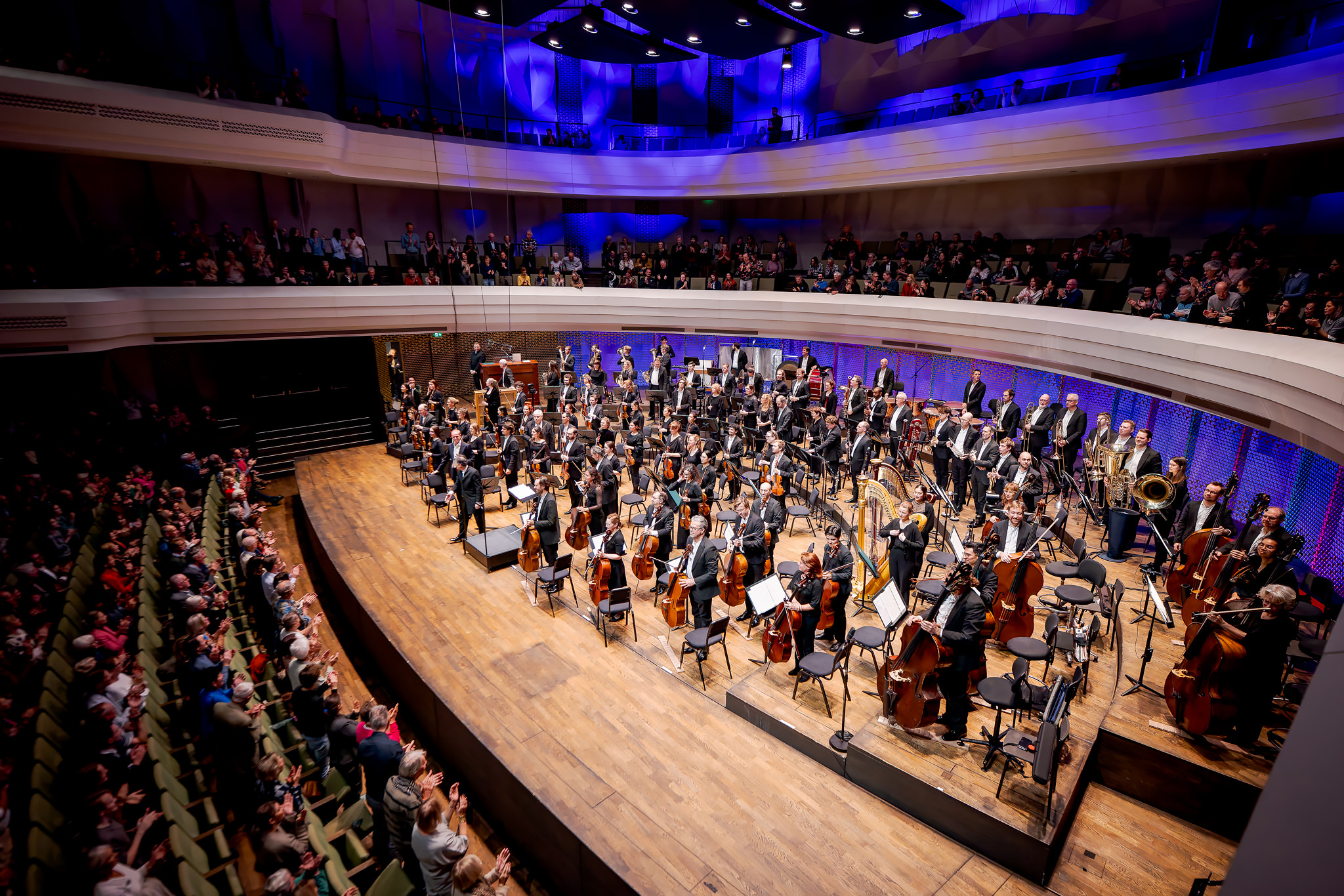
Residentie Orkest The Hague
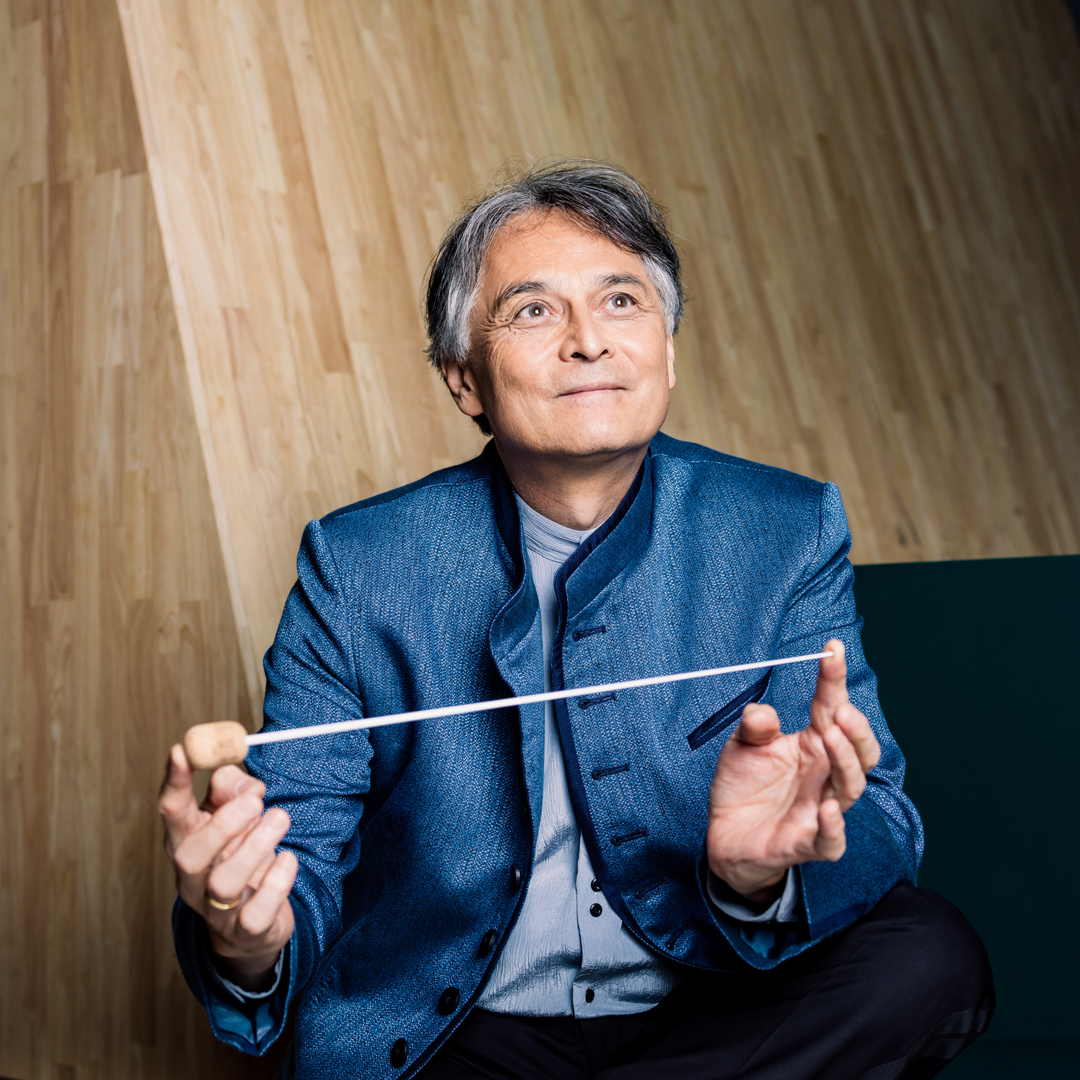
Jun Märkl

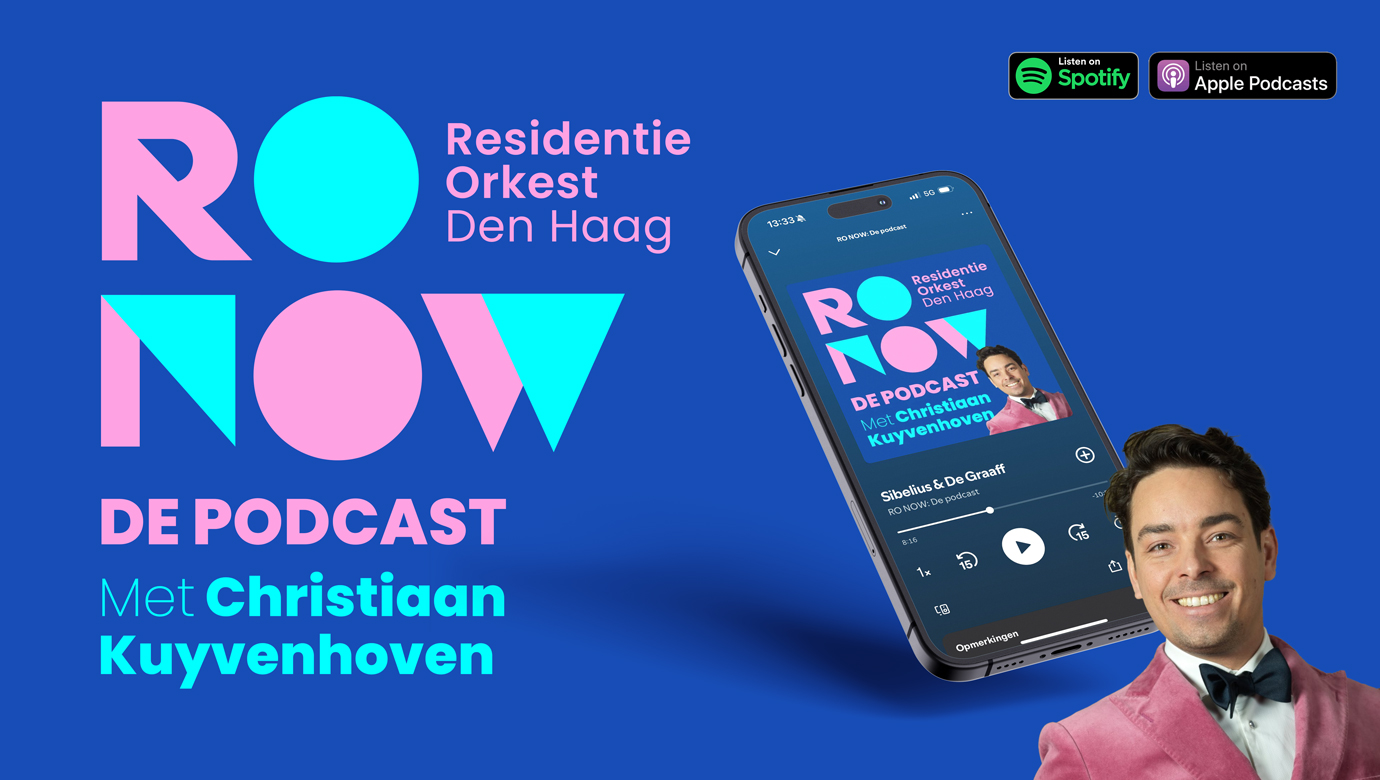
Christiaan Kuyvenhoven
OnRO NOW: The Podcast, host Christiaan Kuyvenhoven gives you an exclusive sneak peek at this concert.
Fun Fact
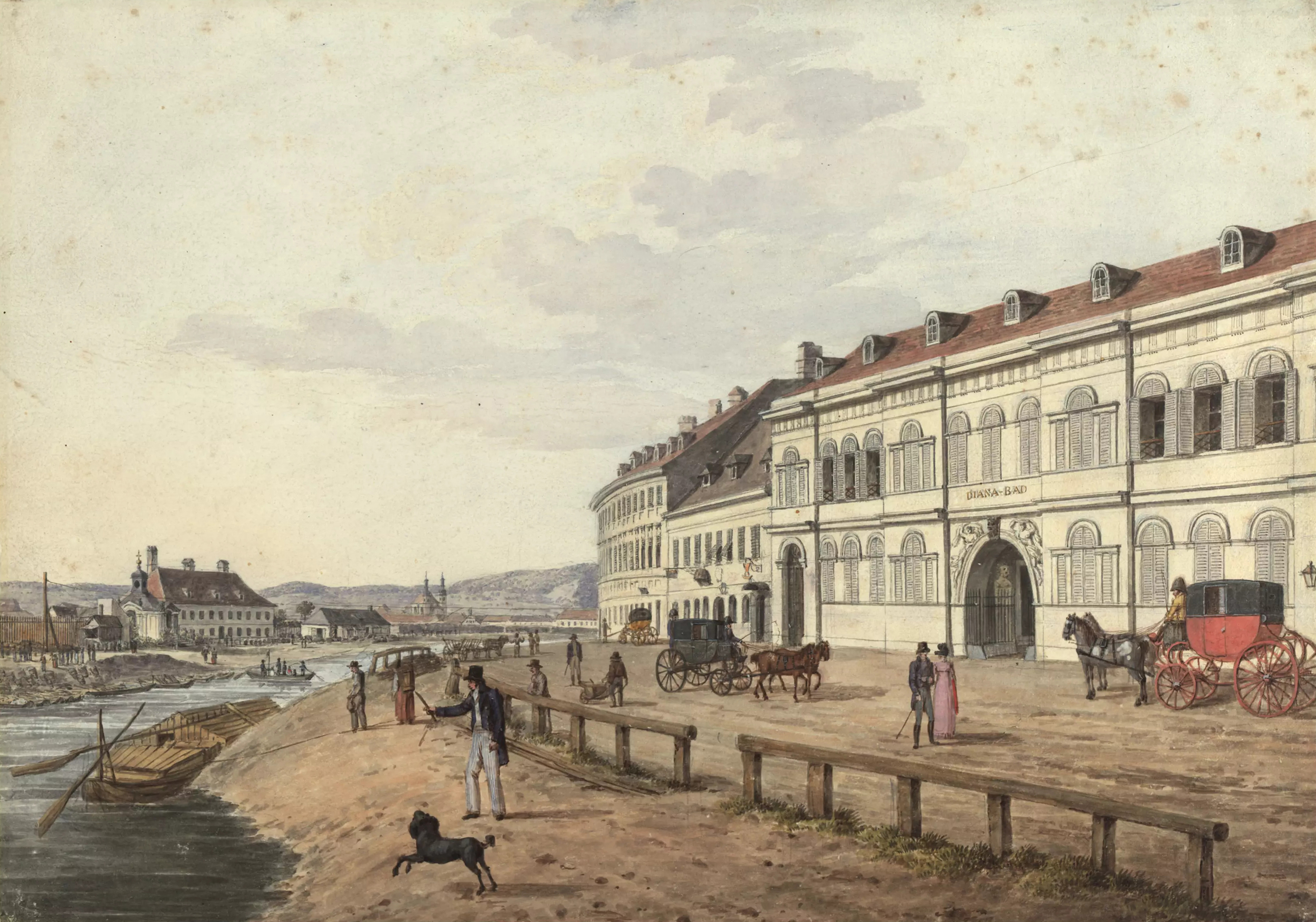
Dancing at the Dianabad
The premieres of both*Unter Donner und Blitz* and*An der schönen blauen Donau* tookplace in the Diana Hall in Vienna. The Dianabad was a large bathhouse and indoor swimming pool in the city, the first of its kind in Europe. But because the Viennese did not enjoy swimming during the cold season, the pool was converted into a ballroom in the winter. Unfortunately, the building was severely damaged during World War II and demolished in 1967.
RO QUIZ
What was the nickname of the ballet *Schlagobers*?-
Sugar Ballet
Correct answer: The Billion-Dollar Ballet
The ballet *Schlagobers* received a mixed reception at its premiere, mainly due to its high cost. The production cost approximately four billion crowns—a colossal sum. As a result, *Schlagobers* was soon nicknamed the “Billion-Crown Ballet.” Not everyone was pleased with such extravagance. In the years following World War I, Vienna was grappling with food shortages and severe inflation. During such a difficult period, a lavish ballet about a fantasy world of pastries and whipped cream felt inappropriate to many people. Richard Strauss, however, defended his choice with a clear rationale: “I cannot bear the tragedy of the present age. I want to create joy.”
-
A Dance of Billions
Correct answer: The Billion-Dollar Ballet
The ballet *Schlagobers* received a mixed reception at its premiere, mainly due to its high cost. The production cost approximately four billion crowns—a colossal sum. As a result, *Schlagobers* was soon nicknamed the “Billion-Crown Ballet.” Not everyone was pleased with such extravagance. In the years following World War I, Vienna was grappling with food shortages and severe inflation. During such a difficult period, a lavish ballet about a fantasy world of pastries and whipped cream felt inappropriate to many people. Richard Strauss, however, defended his choice with a clear rationale: “I cannot bear the tragedy of the present age. I want to create joy.”
-
Sachertorte Ballet
Correct answer: The Billion-Dollar Ballet
The ballet *Schlagobers* received a mixed reception at its premiere, mainly due to its high cost. The production cost approximately four billion crowns—a colossal sum. As a result, *Schlagobers* was soon nicknamed the “Billion-Crown Ballet.” Not everyone was pleased with such extravagance. In the years following World War I, Vienna was grappling with food shortages and severe inflation. During such a difficult period, a lavish ballet about a fantasy world of pastries and whipped cream felt inappropriate to many people. Richard Strauss, however, defended his choice with a clear rationale: “I cannot bear the tragedy of the present age. I want to create joy.”
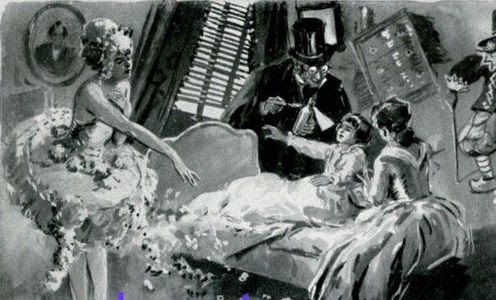
Correct answer: The Billion-Dollar Ballet
The ballet *Schlagobers* received a mixed reception at its premiere, mainly due to its high cost. The production cost approximately four billion crowns—a colossal sum. As a result, *Schlagobers* was soon nicknamed the “Billion-Crown Ballet.” Not everyone was pleased with such extravagance. In the years following World War I, Vienna was grappling with food shortages and severe inflation. During such a difficult period, a lavish ballet about a fantasy world of pastries and whipped cream felt inappropriate to many people. Richard Strauss, however, defended his choice with a clear rationale: “I cannot bear the tragedy of the present age. I want to create joy.”



Help The Hague get music!
Support us and help reach and connect all residents of The Hague with our music.
View all program booklets
Be considerate of your neighbors and turn down your screen brightness.