Program Booklet
New Year's Concert
Saturday
8:15 p.m.
to approximately 10:30 p.m.
Start the new year sparkling with the New Year's Concert by the Residentie Orkest! We present a festive program full of French flair and virtuosity.
📳
Please put your phone on silent and dim the screen so as not to disturb others during the concert. Taking photos is allowed during applause.
Programme
Claude Debussy ( 1862–1918)
Clair de lune (ca. 1890, arr. André Caplet)
Henri Tomasi ( 1901–1971)
Trumpet Concerto (1948)
Allegro and cadence
Nocturne
Final
Francis Poulenc ( 1899–1963)
Suite ‘Les biches’ (1923, 1948)
Rondeau
Adagietto
Rag-Mazurka
Andantino
Final
During the break, a glass of bubbly and doughnuts will be waiting for you to toast the New Year.
Hector Berlioz ( 1803–1869)
Overture ‘Le Carnaval romain,’ Op. 9 (1844)
Alexander Glazunov ( 1865–1936)
Albumblatt (1899, arr. Michal Worek)
Georges Bizet ( 1838-1875)
Carillon from Suite No. 1 ‘L’Arlésienne’, Op. 23bis (1872)
Minuet & Farandole from Suite No. 2 ‘L’Arlésienne’ (arr. Ernest Guiraud, 1879)
Herman Bellstedt ( 1858–1926)
Napoli (ca. 1908, composition by Frank Simon, arr. Gerassimos Ioannidis)
What are you going to listen to?
A cheerful concert to start 2026 with. Of course with festive trumpet music, but also with carnival in Rome, a ballet of mischievous ladies, a Neapolitan song, and the most beautiful girl in Arles.
Moonlight
The program begins quietly and serenely in the moonlight. Around 1890, Claude Debussy wrote a number of imaginative piano pieces. One of these was Clair de lune, based on a poem by Paul Verlaine. It would be his first and immediately very successful attempt at impressionist music, with its subtle fragments of melody and harmony. It became his most popular piano piece, conquering the world in all possible arrangements.
Unplayable notes and challenging darlings
In 1948, Henri Tomasi of the Paris Conservatory was asked to write a highly virtuoso trumpet concerto for his trumpet students. The piece he delivered was so virtuoso that the conservatory dismissed it as unplayable. Tomasi had his own opinion and offered it to the Dutch trumpeter Jas Doets. In November of that year, Doets gave a brilliant premiere with the Radio Philharmonic Orchestra, after which the conservatory reluctantly admitted a year later that it was indeed playable. Since then, it has been the ultimate solo piece that every concert trumpeter has in their repertoire.
The renowned impresario Sergei Djaghilev not only managed to attract greats such as Stravinsky and Ravel to his famous Ballets Russes in Paris. He also asked Poulenc to compose music for a ballet. The result was Les biches, a virtually untranslatable French term that is best approximated by the English word 'sweethearts'. The ballet has no real story but, with an enormous blue sofa as its only set piece, tells the tale of three young men who revel in the keen interest of sixteen young women. For the Concert Hall , Poulenc Concert Hall a number of pieces from the cheerful ballet music that have become known as an orchestral suite.
Roman carnival and album page
Hector Berlioz's first major opera about the famous sculptor Benvenuto Cellini did not have a happy life. He found the libretto rather weak and the music far too complicated. The premiere in Paris on September 10 was a huge fiasco, and performances in Germany and England in a simplified version were also unsuccessful. In order not to lose all the music from the opera, which is set in Rome during carnival, Berlioz turned the most beautiful melodies into a separate overture, which he called Le Carnaval romain . It was a stroke of genius, because in his later career this overture was one of Berlioz's most frequently performed orchestral works, which he had to conduct at countless concerts.
Alexander Glazunov was, alongside greats such as Tchaikovsky and Mussorgsky, the most famous Russian composer of his time. He was particularly loved for his large orchestral works and ballets. But among all those extensive compositions was one little gem that he wrote in 1899, the year he became a teacher at the prestigious St. Petersburg Conservatory. Albumblatt was a small salon piece for trumpet and piano, which might have been forgotten had it not been made an evergreen by Timofei Dokshizer, the legendary trumpeter of the Moscow Bolshoi Theater.
Arles and Naples
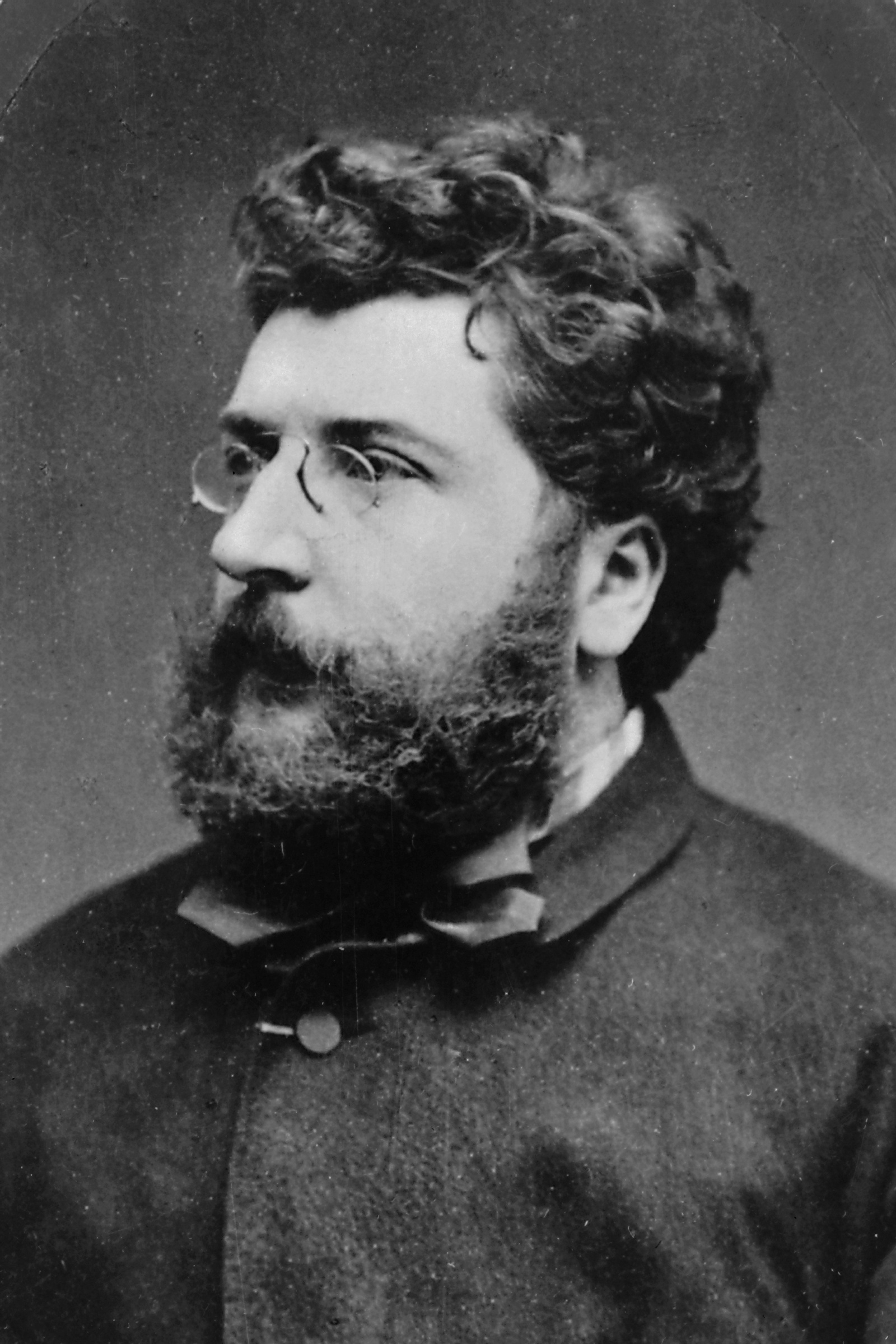
The most beautiful girl in Arles falls in love with a young farmer from the countryside. But even before the wedding, it turns out that she is unfaithful, and in despair, he takes his own life. That, in short, is the story of the book L'Arlésienne, published by Alphonse Daudet in 1869. Shortly afterwards, he adapted it for the stage with extensive incidental music by Georges Bizet. The success was only moderate and Bizet soon decided to bring together the best parts in a suite, from which Carillon is performed tonight. It premiered in the same year as the play in 1872 and was very well received. But a second suite followed. Bizet's friend Ernest Guiraud took a number of melodies from the original stage music, allowing himself quite a few liberties. He adapted several themes on his own initiative and even added a 'minuet' from one of Bizet's operas. This suite ends with a festive Farandole, a Provençal dance.
Herman Bellstedt was America's greatest cornetist around 1900. He was called 'Wonder Boy', played with various wind orchestras, including that of the march king Sousa, and also had his own Bellstedt-Ballenger Band for several years. Napoli is one of the bravura pieces he wrote for his own instrument. It is a series of virtuoso variations on the well-known Neapolitan song Funiculì, Funiculà.
Kees Wisse
Biographies
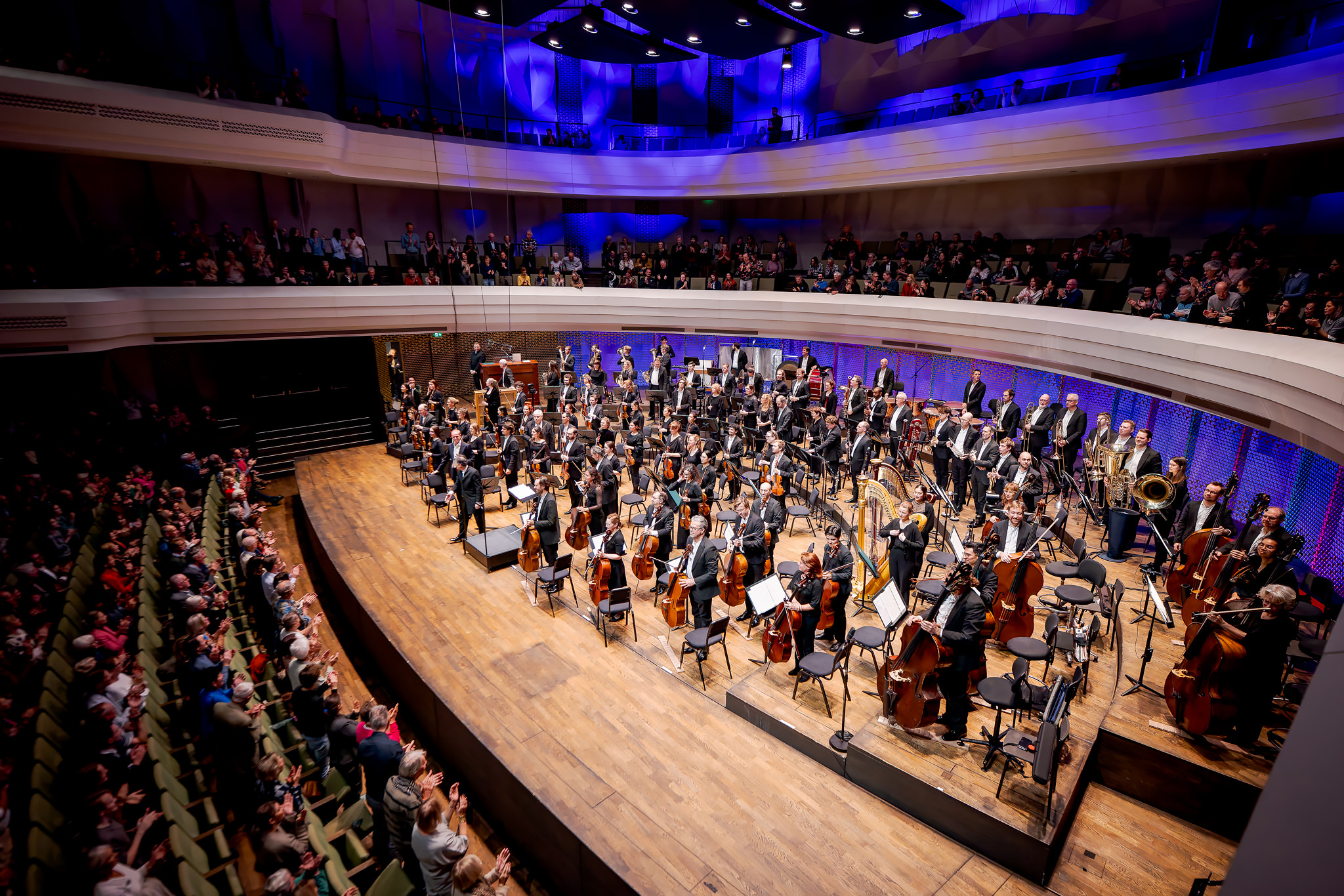
Residentie Orkest The Hague
.jpg)
Mei-Ann Chen
.jpg)
Selina Ott
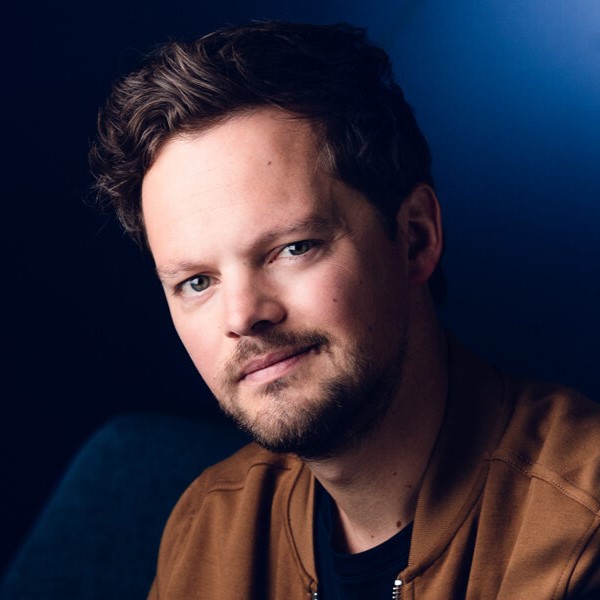
Sander Zwiep
Fun Fact
From cog railway to global hit
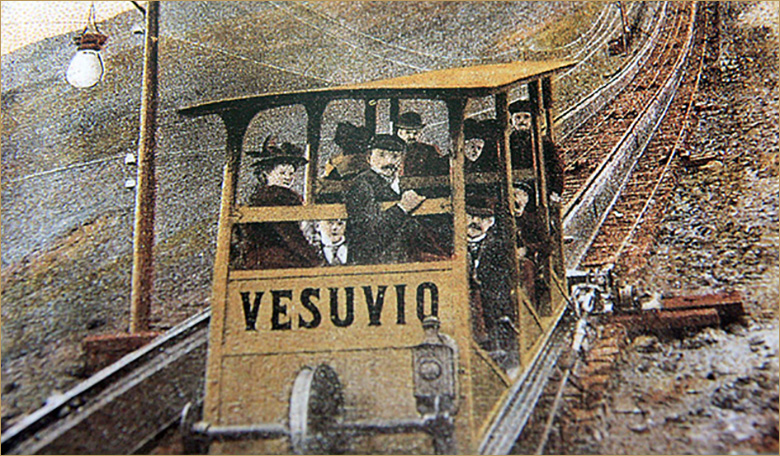
Funiculì Funiculà dates back to 1880. In that year, composer Luigi Denza and poet Peppino Turco wrote a cheerful song in Neapolitan dialect about the first cog railway, funiculare in Italian, which took tourists to the crater of Vesuvius. It quickly became a big hit and is still a popular Neapolitan folk song that even Luciano Pavarotti recorded on CD.
RO QUIZ
Question: Bizet's Farandole uses a festive song for...?-
Christmas
Correct answer: Epiphany
The Farandole from Bizet's Suite No. 2 'L'Arlésienne' bursts with joie de vivre, but the melody has centuries-old roots. It is based on the traditional Provençal song La marche des rois ('The March of the Kings'). The festive march depicts the journey of the three wise men to Bethlehem and is still sung in southern France on January 6, during Epiphany. Bizet transformed this folk song into a dazzling dance full of bells, tambourines, and triumphant brass sounds.
-
Epiphany
Correct answer: Epiphany
The Farandole from Bizet's Suite No. 2 'L'Arlésienne' bursts with joie de vivre, but the melody has centuries-old roots. It is based on the traditional Provençal song La marche des rois ('The March of the Kings'). The festive march depicts the journey of the three wise men to Bethlehem and is still sung in southern France on January 6, during Epiphany. Bizet transformed this folk song into a dazzling dance full of bells, tambourines, and triumphant brass sounds.
-
Easter
Correct answer: Epiphany
The Farandole from Bizet's Suite No. 2 'L'Arlésienne' bursts with joie de vivre, but the melody has centuries-old roots. It is based on the traditional Provençal song La marche des rois ('The March of the Kings'). The festive march depicts the journey of the three wise men to Bethlehem and is still sung in southern France on January 6, during Epiphany. Bizet transformed this folk song into a dazzling dance full of bells, tambourines, and triumphant brass sounds.
Correct answer: Epiphany
The Farandole from Bizet's Suite No. 2 'L'Arlésienne' bursts with joie de vivre, but the melody has centuries-old roots. It is based on the traditional Provençal song La marche des rois ('The March of the Kings'). The festive march depicts the journey of the three wise men to Bethlehem and is still sung in southern France on January 6, during Epiphany. Bizet transformed this folk song into a dazzling dance full of bells, tambourines, and triumphant brass sounds.
Today in the orchestra

Hester van der Vlugt

Sergiy Starzhynskiy

Erwin ter Bogt
Help The Hague get music!
Support us and help reach and connect all residents of The Hague with our music.
View all program booklets
Be considerate of your neighbors and turn down your screen brightness.