Program Booklet
Handel's Messiah
Saturday
8:15 p.m.
to approximately 10:45 p.m.
Celebrate the coziest days of the year with the Residentie Orkest a brand-new tradition. Every year, we select one of The Hague's exceptional choirs to perform Handel's Messiah at Christmas. This year, we are collaborating with the Koninklijke Zangvereniging Excelsior, which has been active since 1881.
📳
Please put your phone on silent and dim the screen so as not to disturb others during the concert. Taking photos is allowed during applause.
Programme
George Frideric Handel ( 1685–1759)
Messiah (1741)
This program includes a break with refreshments.
What are you going to listen to?
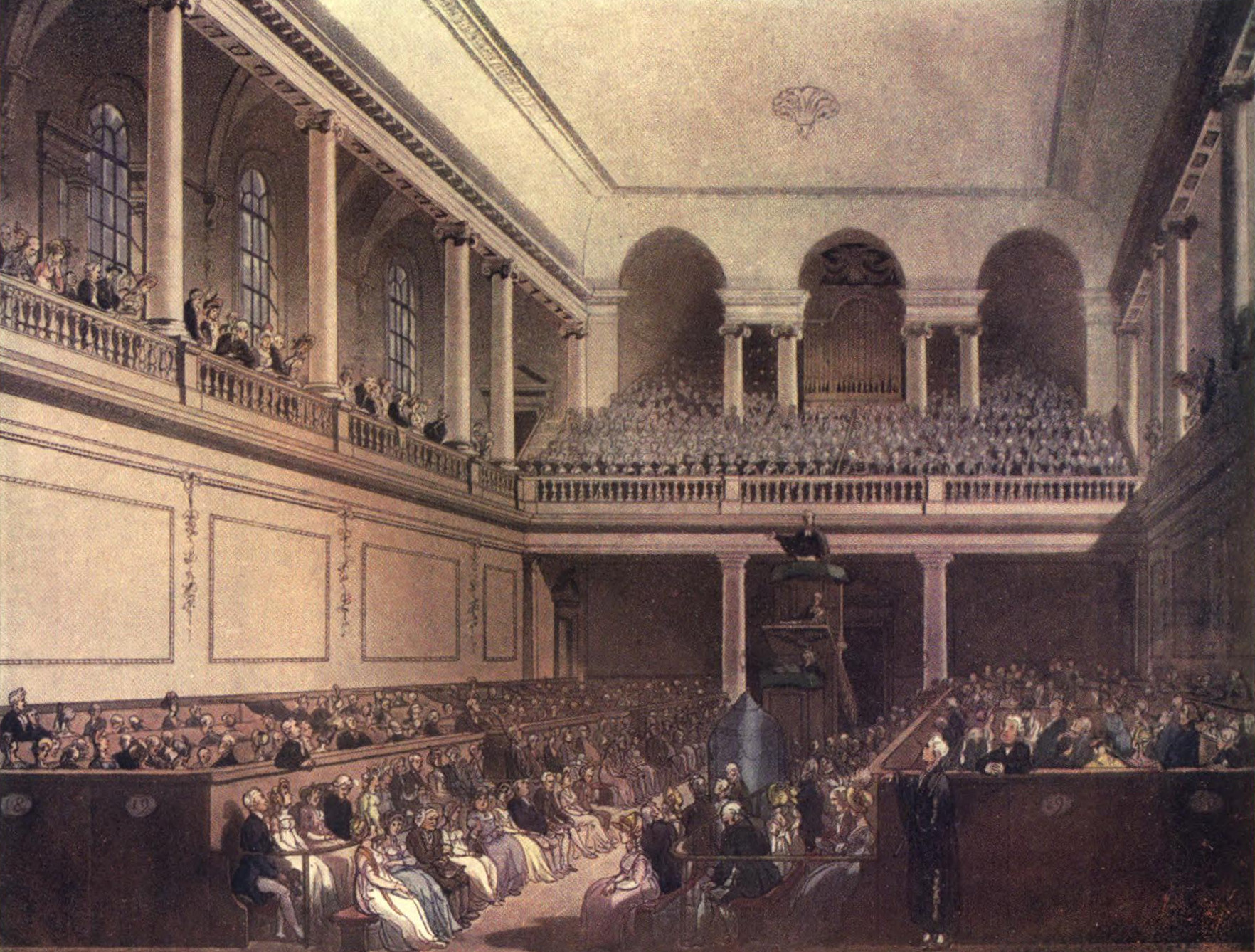
You had to push open a small gate on Fishamble Street, which was barely wide enough for two people to pass through side by side. But then, in a courtyard, there it was: the newly opened New Musick Hall. Particularly impressive is the mighty window, four by four panes, on the first floor. Dublin, April 13, 1742: Handel's new oratorio Messiah premieres here. It is a day that will not soon be forgotten.
Fun songs
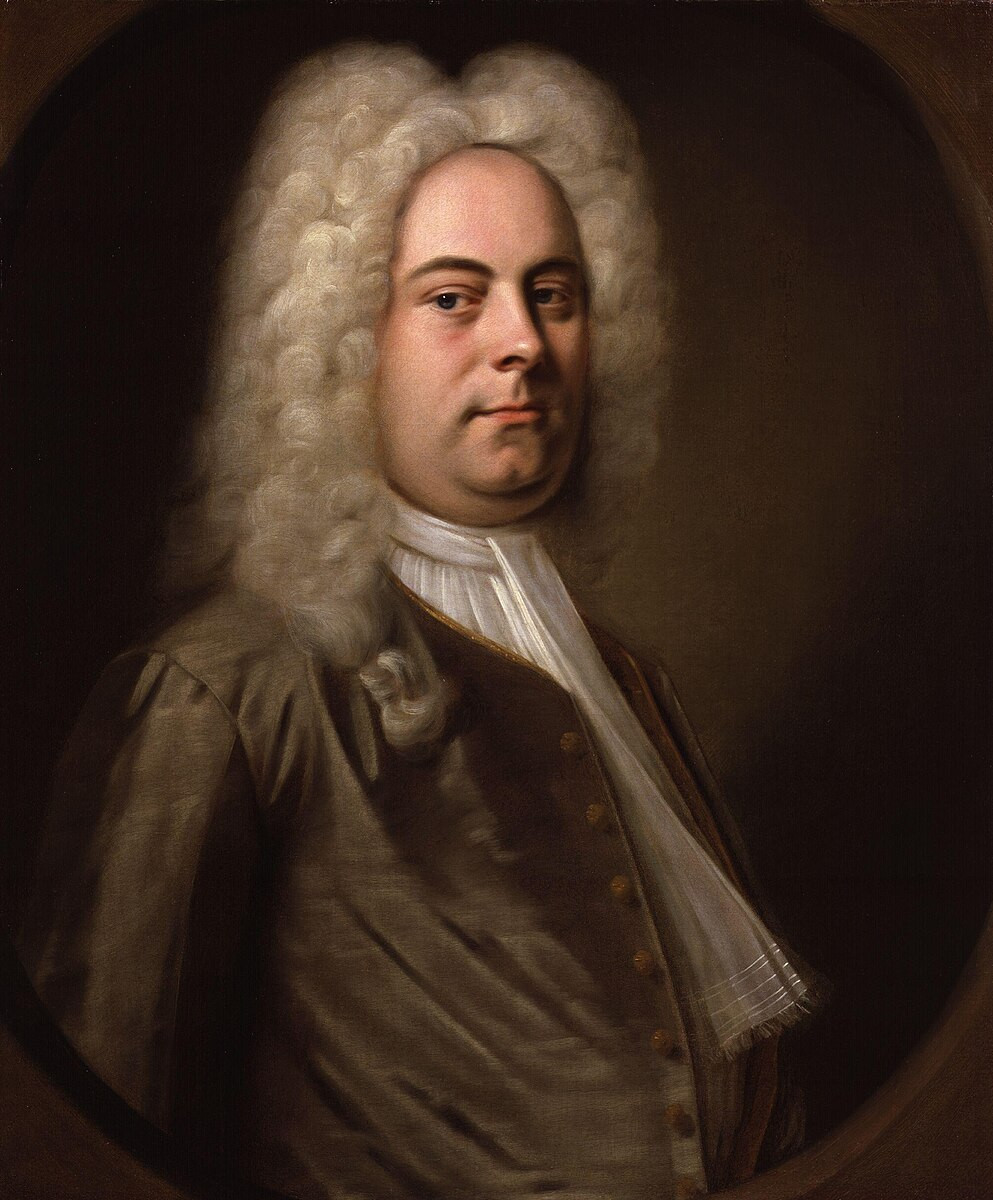
Georg Friedrich Handel. German composer, but since 1712 his place of residence has been London. As of 1727, he is a British citizen and is known as 'Mr George Frideric Handel'. He gains great fame with his operas; he organizes the performances in London theaters himself and is a household name, not only in the cultural world. A statue was erected in his honor during his lifetime in Vauxhall Gardens, London's great pleasure garden. But success is a fickle thing. Handel's operas were Italian in style, which was in vogue at the time. Sung in Italian, they often featured ancient subjects, with many heroes, kings, princes, and their female counterparts. Around 1730, public taste changed. John Gay's The Beggar's Opera added fuel to the fire: no more ancient heroes, no more Italian, but popular theater about the losers and winners of today, singing short, fun songs in English and no more long arias full of embellishments...
We need to change course
Handel understands: he needs to change course. And his answer is the oratorio. Much more sober than Italian opera and sung in English. No more acting and no frills. The success of his first, Esther, in 1732 is huge. Although not every new work is an immediate hit, Handel is so popular with first-year students at Oxford, for example, that they are willing to sell off some of their belongings to get a five-shilling ticket for 'the latest Handel' at the Sheldonian Theatre. In July 1741, Handel received the manuscript of a new oratorio text. The author was Charles Jennens, a landowner and poet. "I hope," Jennens had told a friend, "that I can persuade Handel to set to music once again texts that I have collected from the Holy Scriptures and to perform them during Easter. I hope that he will put all his genius and skill to work and that the composition will surpass his previous compositions, for the subject surpasses all others. The subject is the Messiah."
Record time
Handel wrote the new oratorio Messiah between August 22 and September 14—an insanely short period of time. Transcriptions indicate the haste with which he worked, and obvious passages and instrumentations were left open: these were to be filled in by the copyists (such ‘studio work’ was not uncommon at the time, when everyone worked within a defined idiom and according to certain compositional techniques). At the invitation of the Duke of Devonshire, Handel chose Dublin for the premiere of Messiah rather than his home base of London. The first performance was a charity concert; the proceeds went to Mercer's Hospital, Charitable Infirmary, and to alleviate the plight of prisoners. Handel enlisted the cooperation of the choirs of St. Patrick's and Christ Church, sixteen male and sixteen boys' voices (the boys sang soprano and alto). Shortly before the concert, he transposed the aria 'He shall feed his flock' down to F major for one of the female soloists, Susanne Cibber, as it was otherwise too high for her.
Old and New Testaments
Messiah is based on words from the Old and New Testaments. In Part I, the ancient prophets predict the coming of Christ the Messiah and his birth from the Virgin Mary; it continues with the proclamation to the shepherds in the field. The second part deals with Christ's Passion and death, his Resurrection, the spread of his message through the Gospel, and a hymn of praise to the Lord: the famous choir 'Hallelujah'. Part III is short, dealing with Judgment Day, the general resurrection of the dead, the ultimate victory over sin and death, and the glorification of Christ.
Forgiveness
Seven hundred visitors attended the premiere. That was a lot, and it was just enough to fit in, which had been taken into account: ladies were asked to leave their hoop skirts at home and men their sabers, so that more people could fit into the New Musick Hall. Messiah was a triumph with the public and the press. Apparently, a certain Rev. Delaney, a minister in Dublin, jumped up during the aria ‘He was despised’ and exclaimed, so moved was he by Mrs. Cibber’s performance: ‘Madam, for this performance, I forgive you all your sins!’
Stephen Westra
Biographies
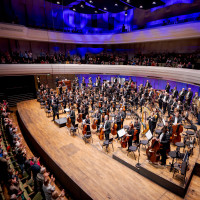
Residentie Orkest The Hague

Chloe Rooke
.jpg/d66c23aa45ac72e8fef14179a09f8f9f.jpg)
Nikki Treurniet

Nina van Essen

Antonin Rondepierre

Raoul Steffani
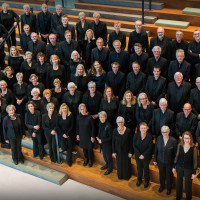
Excelsior Music Society
Would you like to read along with the lyrics of Messiah? Download them here!
Fun Fact
A standing Hallelujah!
According to tradition, King George II stood up during the "Hallelujah" chorus at the London performances of Messiah in the chapel of The Foundling Hospital. Since then, it has become a tradition in some countries for the audience to stand during this chorus—a spontaneous tribute to the music.
RO QUIZ
Question: Has Handel been to The Hague?-
Absolutely not
Good answer: yes you do
Handel was the undisputed rock star of his time. Success after success piled up, especially when he left Hanover, Germany, for the cosmopolitan city of London in 1712. But Germany was not forgotten: some forty years later, he decided it was time to visit his old friends again. On a beautiful summer day in August 1750, he took the boat to Rotterdam. Not long after, he was in The Hague, where he was warmly welcomed by one of his former harpsichord students: Princess Anne, daughter of King George II of England and wife of Stadtholder William IV. Shortly thereafter, Handel continued his journey. However, on the way to Haarlem, disaster struck. The carriage in which the composer was traveling overturned, and Handel sustained several injuries. Fortunately, he soon recovered and was able to continue his tour. In December 1750, he returned to the royal capital and Nieuwe Kerk an organ concert in the Nieuwe Kerk on December 3, attended by the House of Orange: ‘This morning, the famous Mr. Handel, Kapellmeister to His Britannic Majesty, demonstrated his talents on the organ in the Nieuwe Kerk , which was attended by the Stadholder’s family and many persons of Section sexes.’ (Oprechte Haarlemsche Courant)
-
Only driven through with the carriage
Good answer: yes you do
Handel was the undisputed rock star of his time. Success after success piled up, especially when he left Hanover, Germany, for the cosmopolitan city of London in 1712. But Germany was not forgotten: some forty years later, he decided it was time to visit his old friends again. On a beautiful summer day in August 1750, he took the boat to Rotterdam. Not long after, he was in The Hague, where he was warmly welcomed by one of his former harpsichord students: Princess Anne, daughter of King George II of England and wife of Stadtholder William IV. Shortly thereafter, Handel continued his journey. However, on the way to Haarlem, disaster struck. The carriage in which the composer was traveling overturned, and Handel sustained several injuries. Fortunately, he soon recovered and was able to continue his tour. In December 1750, he returned to the royal capital and Nieuwe Kerk an organ concert in the Nieuwe Kerk on December 3, attended by the House of Orange: ‘This morning, the famous Mr. Handel, Kapellmeister to His Britannic Majesty, demonstrated his talents on the organ in the Nieuwe Kerk , which was attended by the Stadholder’s family and many persons of Section sexes.’ (Oprechte Haarlemsche Courant)
-
Yes indeed
Good answer: yes you do
Handel was the undisputed rock star of his time. Success after success piled up, especially when he left Hanover, Germany, for the cosmopolitan city of London in 1712. But Germany was not forgotten: some forty years later, he decided it was time to visit his old friends again. On a beautiful summer day in August 1750, he took the boat to Rotterdam. Not long after, he was in The Hague, where he was warmly welcomed by one of his former harpsichord students: Princess Anne, daughter of King George II of England and wife of Stadtholder William IV. Shortly thereafter, Handel continued his journey. However, on the way to Haarlem, disaster struck. The carriage in which the composer was traveling overturned, and Handel sustained several injuries. Fortunately, he soon recovered and was able to continue his tour. In December 1750, he returned to the royal capital and Nieuwe Kerk an organ concert in the Nieuwe Kerk on December 3, attended by the House of Orange: ‘This morning, the famous Mr. Handel, Kapellmeister to His Britannic Majesty, demonstrated his talents on the organ in the Nieuwe Kerk , which was attended by the Stadholder’s family and many persons of Section sexes.’ (Oprechte Haarlemsche Courant)
Good answer: yes you do
Handel was the undisputed rock star of his time. Success after success piled up, especially when he left Hanover, Germany, for the cosmopolitan city of London in 1712. But Germany was not forgotten: some forty years later, he decided it was time to visit his old friends again. On a beautiful summer day in August 1750, he took the boat to Rotterdam. Not long after, he was in The Hague, where he was warmly welcomed by one of his former harpsichord students: Princess Anne, daughter of King George II of England and wife of Stadtholder William IV. Shortly thereafter, Handel continued his journey. However, on the way to Haarlem, disaster struck. The carriage in which the composer was traveling overturned, and Handel sustained several injuries. Fortunately, he soon recovered and was able to continue his tour. In December 1750, he returned to the royal capital and Nieuwe Kerk an organ concert in the Nieuwe Kerk on December 3, attended by the House of Orange: ‘This morning, the famous Mr. Handel, Kapellmeister to His Britannic Majesty, demonstrated his talents on the organ in the Nieuwe Kerk , which was attended by the Stadholder’s family and many persons of Section sexes.’ (Oprechte Haarlemsche Courant)
Today in the orchestra

Pieter van Loenen

Cato Went

Roger Cramers
Help The Hague get music!
Support us and help reach and connect all residents of The Hague with our music.

View all program booklets
Be considerate of your neighbors and turn down your screen brightness.