Cato Went plays Last with Residentie Orkest
“The orchestra is a close-knit and warm community.”
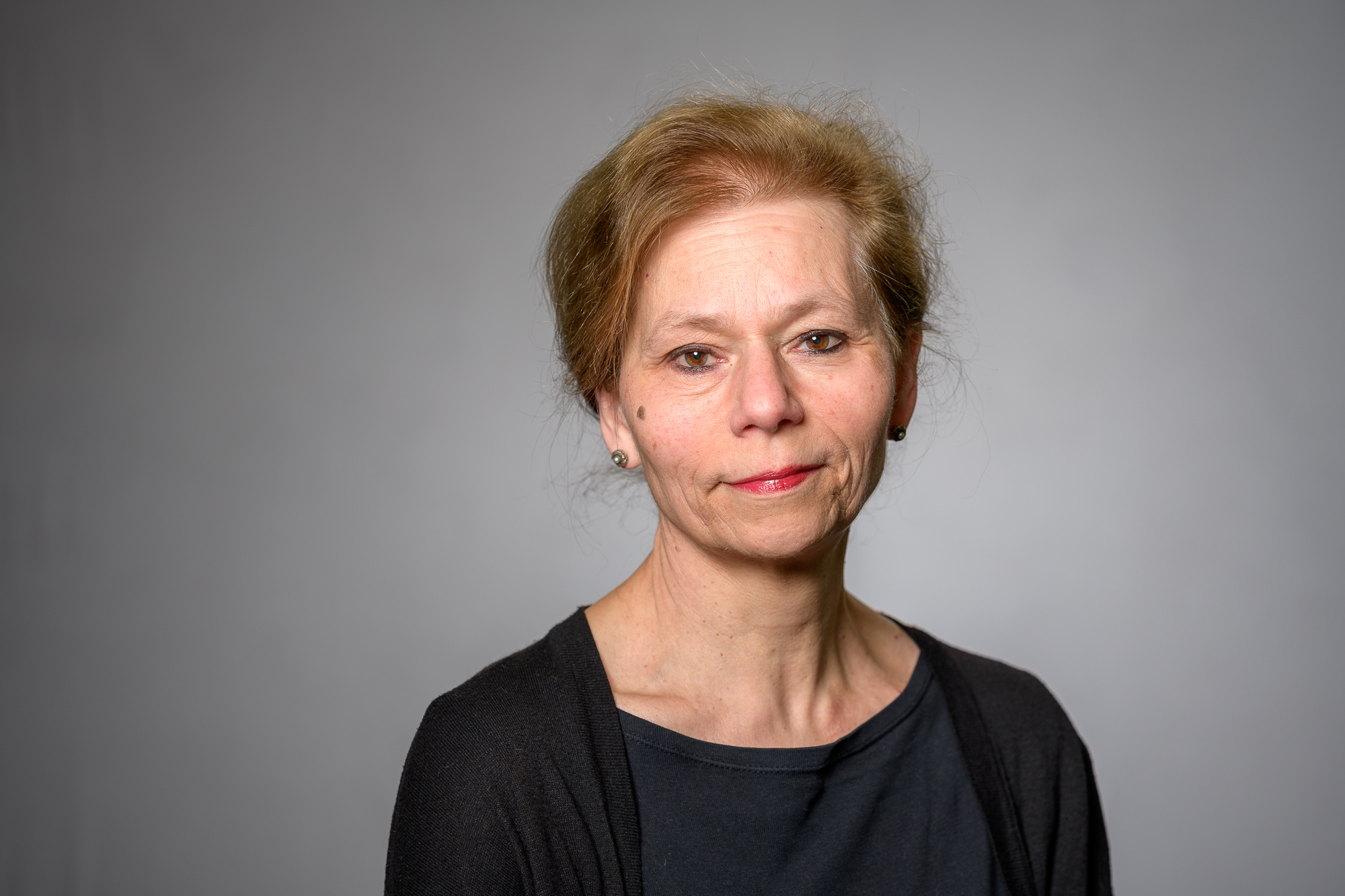
On December 20, violinist Cato Went will play her Last with the Residentie Orkest. After decades of seeing the orchestra change, she looks back on a musical life that began less naturally than you might think. About doubts, Brahms, Svetlanov, and the warmth of the orchestra.
After the Amen from Handel's Messiah, conducted by Chloe Rooke, the violin case is closed. But music will not disappear from her life. "I will continue to play, of course, such as chamber music with friends. And naturally, I will continue Residentie Orkest the Residentie Orkest ; after all, it has been an important part of my life."
"I didn't really think about what I wanted to be. It was only in the Last of high school that the idea began to grow, and even that took a few detours."
- Cato Went
Doubt
Music was always present at home. Her father had played the violin and cello in his youth, and her sister became a cellist. Yet a musical career was not a predetermined path. "I didn't really think about what I wanted to be. It was only in the Last of high school that the idea began to grow, and even that took a few detours." A youth orchestra, which she was more or less obliged to attend, became a turning point. "I didn't really want to go, but it was more fun than I thought. Slowly, the idea began to grow: maybe this is what I want after all." So cautiously, in fact, that she didn't dare mention it to her violin teacher. First, she studied musicology for a year. "I just didn't dare ask her if I could apply for admission to the conservatory." The moment came months later, almost by accident. "I had forgotten my gloves after class and had to go back. That's when I finally asked." A small moment with big consequences.
On Brahms' lap
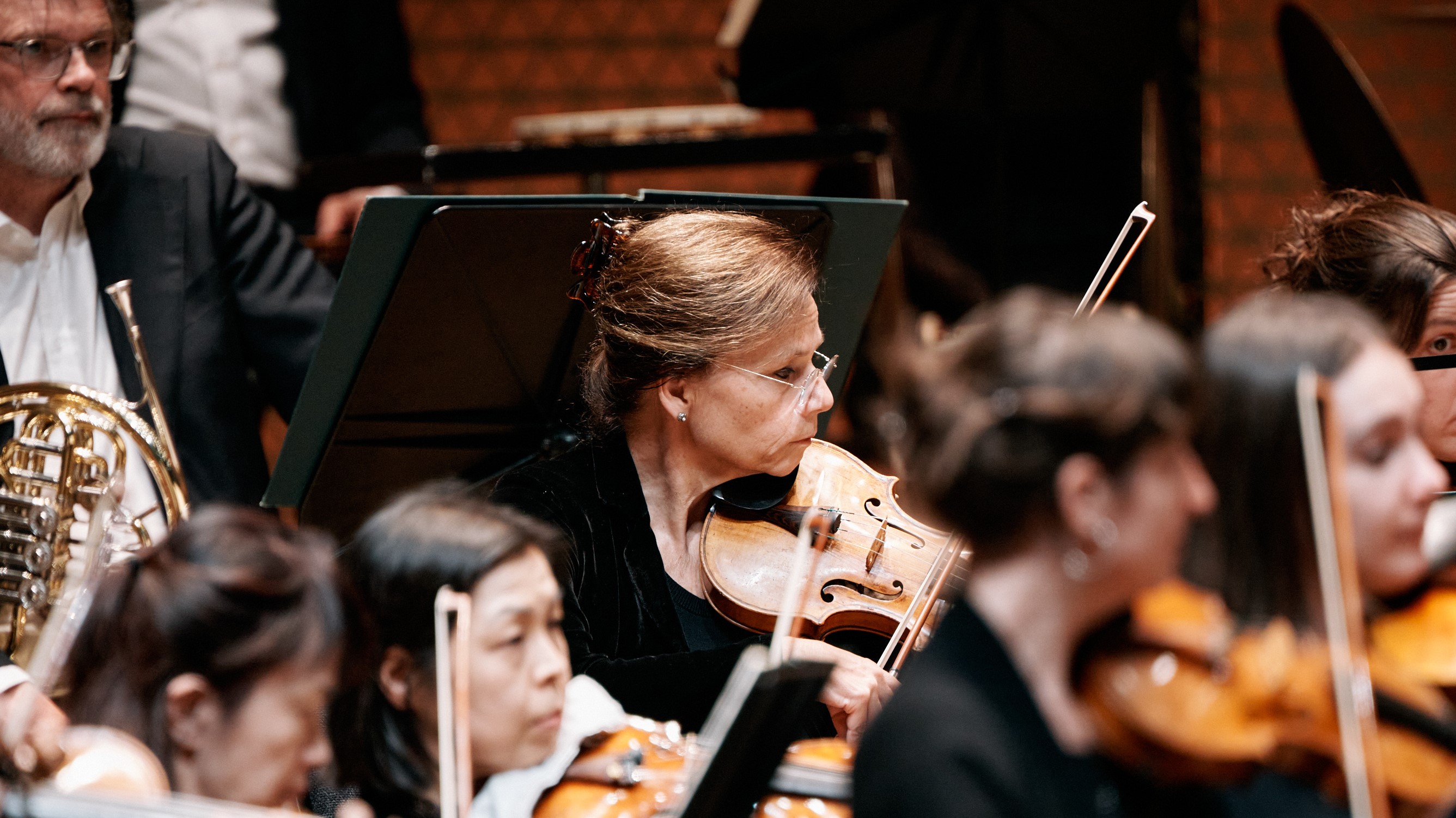
Although the violin became her instrument, her heart lies elsewhere. "If I had really been able to choose, it would have been the cello. For me, that remains the most beautiful instrument: that warm sound." She is less attracted to high notes and more to warmth. Perhaps that also explains her love for Brahms. A special family story plays a role in this. As a child, her grandfather is said to have sat on Johannes Brahms' lap in Utrecht. She is not sure – the generations in her family are far apart – but the story has stuck with her. "You can make of it what you will, but it feels like a beautiful circle." Brahms is one of her favorite composers: "Beautiful music, and also nice to play. But don't forget Bach! Every year, I looked forward to the St. Matthew Passion. I will miss playing it enormously. After the Last in April this year, I was really emotional. You suddenly realize that those days are gone forever."
Svetlanov
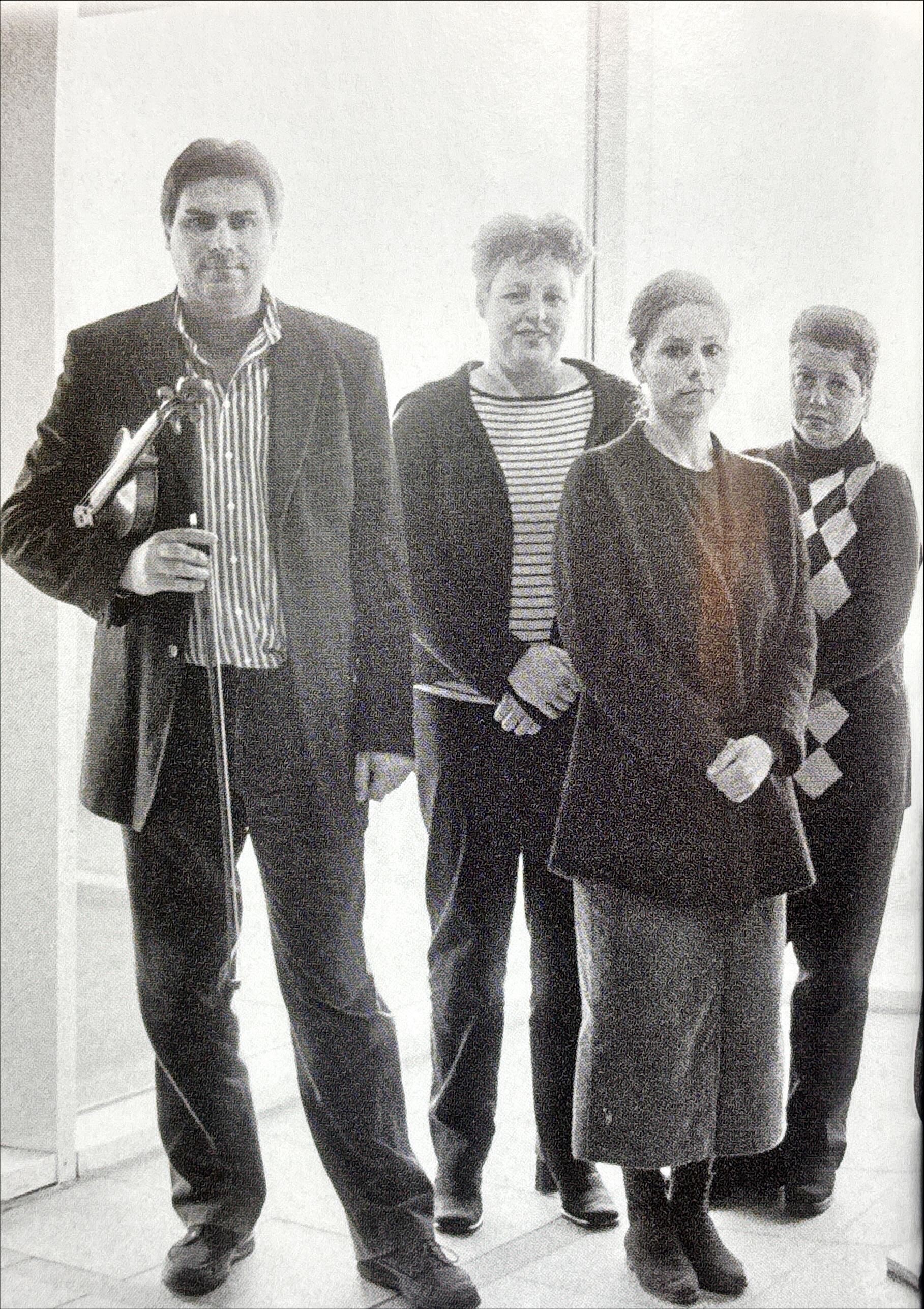
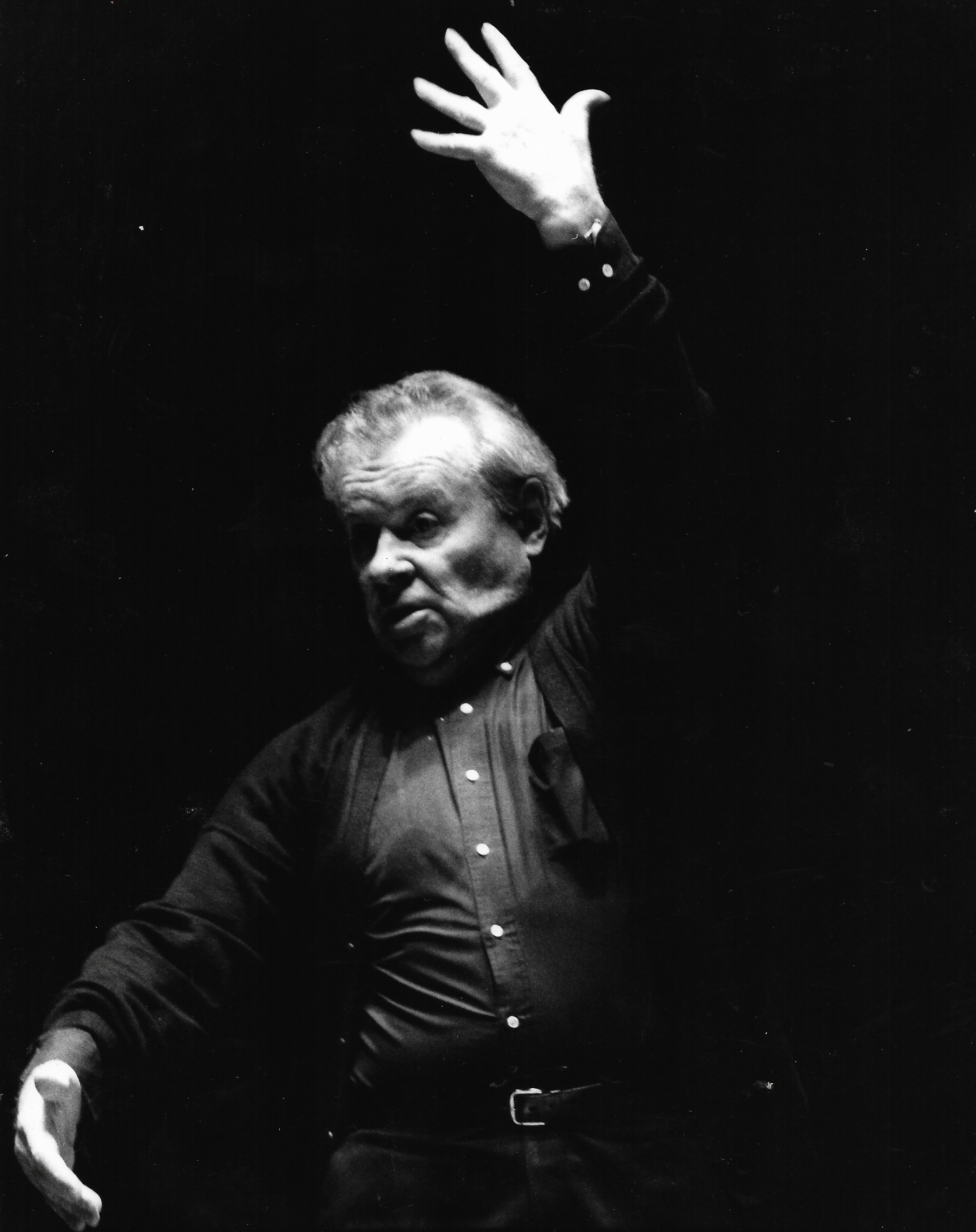
After studying at the Conservatorium van Amsterdam, Cato auditioned for the Residentie Orkest. “To my surprise, I was accepted. My parents were thrilled, but I really had to get used to the idea. But it all worked out fine,” she laughs. “The orchestra is a close-knit and warm community. You experience everything together: highlights, difficult phases, changes. But we always had and still have a lot of fun together." She saw conductors come and go, programming styles shift, generations of musicians join. The orchestra changed, but the core remained. "That collective breathing, that listening to each other—that has always been there." When asked which conductor has left the biggest impression on her, she doesn't have to think long. “Svetlanov, chief conductor between 1992 and 2000, was a real highlight for me. I know that many of my colleagues feel the same way, but he was also a very special conductor for me, a true master of his craft. He spoke very little, only when absolutely necessary, but with a single gesture of his arm he knew how to get the most out of the entire orchestra. He thought entirely in terms of music. Of course, he had his own ideas, but he never put himself in the spotlight."
Gratitude
The Last does not feel like a dramatic ending, but rather a natural moment. "I have played here for so long, so it is appropriate." Of course, there is emotion, but without pathos. "I look back with gratitude above all. And soon I'll have time for all kinds of other things, such as a series of lectures at the University of Amsterdam on the late 14th-century Van Limburg brothers and their books of hours. I'm really looking forward to that, no obligations, no exams, just listening. And now I finally have more time to go to concerts and opera performances. My nephew and brother-in-law play in the Concertgebouw Orchestra, so I will be in Amsterdam more often. And I can hear my niece, recorder player Lucie Horsch, play more often too. I am very proud of how she is developing, which also inspires me. Her playing is so moving that I am often moved to tears. What music can do."
Jan Jaap Zwitser