Program Booklet
Chopin & Sibelius
Friday
8:15 p.m.
to approximately 10:15 p.m.
An evening full of masterpieces awaits you at Amare, where the Residentie Orkest with two special musical guests: acclaimed conductor Elena Schwarz and world-renowned pianist Nelson Goerner.
📳
Please put your phone on silent and dim the screen so as not to disturb others during the concert. Taking photos is allowed during applause.
Programme
Paul Schmidt(1998)
One Minute Symphony: And so, my life became a funeral(part 1) (2026)
Grażyna Bacewicz (1875–1952)
Overture (1943)
Frédéric Chopin (1810–1849)
Piano Concerto No. 2 in F minor, Op. 29 (1830)
Maestoso
Larghetto
Allegro vivace
Jean Sibelius (1865-1957)
Symphony No. 1 in E minor, Op. 39(1899)
Andante ma non troppo - Allegro energico
Andante, but not too slow
Scherzo: Allegro
Andante - Allegro molto (almost a fantasy)
End of concert around 10:15 p.m.
What are you going to listen to?
Many countries have their musical heroes. In Finland, for example, Sibelius is still the symbol of national pride and independence. Poland honors Chopin as their national composer, even though he lived in France for most of his life. Perhaps some of that honor should go to Grażyna Bacewicz, the first female Polish composer to gain international recognition.
One Minute Symphony
Grain-like, blurry, out of focus. In post-war Japanese photography, this was summed up in the termare-bure-boke. Photographers from the influential Provoke movement, including Daidō Moriyama, consciously used this style: images that feel abrasive, blurred, and fragmentary. For composition student Paul Schmidt, this aesthetic formed the starting point for his new One Minute Symphony. His question: how wouldboke—the blurred, the fading—sound in music?
Rhythmic storm wind
Grażyna Bacewicz studied with Nadia Boulanger in Paris and was concertmaster of the Polish National Radio Symphony Orchestra for several years. She made a name for herself as a talented violinist and composer who caused a sensation with her violin concertos, in which she naturally performed as soloist, but also with many other compositions. With the outbreak of World War II, she spent a long time in Warsaw, which was occupied by the Nazis and largely destroyed. There, in 1943, she wrote her shortOverture, her first purely orchestral work. It is music in the late Romantic style, completely tonal, but with a rough edge. From the very first bar, it takes off at a brisk pace and, apart from a brief moment of rest halfway through, continues to rage like a rhythmic storm until the end.
Nocturne in love
Frédéric Chopin began his career as a child prodigy. At just seven years old, he gave his first concerts, and in the years that followed, his fame as one of the first piano virtuosos grew to unprecedented heights. Playing was one thing, but composing was another. He was perfectly capable of playing pieces for piano, but as a virtuoso, he needed to shine with his own solo concertos. So, in 1829, Chopin began work on hisPiano Concerto in F minor. It proved to be no easy task. The piano part was easy to write, but the orchestral part caused him a lot of headaches. He even enlisted the help of some former fellow students from the Warsaw Conservatory to bring it to a successful conclusion. But even then he was not sure of himself. That is why he decided to give a private trial performance first. However, he had not counted on the press. A journalist got wind of it and managed to sneak in. He promptly wrote a rave review in which he proclaimed Chopin the 'Paganini of the piano'. For the official premiere shortly afterwards, the Warsaw Concert Hall was Concert Hall sold out and the audience was wildly enthusiastic.
With this work, Chopin had developed a completely new type of solo concerto. Whereas in earlier times the solo part largely followed the development and elaboration of the music, it now went entirely its own way. The orchestra mainly served as a backdrop to allow the soloist to shine in virtuoso fireworks. The second movement, for example, is a typical dreamy nocturne in which the orchestra plays only a minor role. And this movement had an even deeper meaning. Chopin wrote it with a young opera singer in mind with whom he was deeply in love. He did not dare to express his feelings for her in words, but all the more so in music.
National symbol
Jean Sibelius appeared on the Finnish music scene at a turning point in his country's history. For more than a century, Finland had been ruled by Russia and the country was striving for independence. Sibelius also expressed his sense of national pride in compositions based on stories from Finnish mythology. But nationalism was not his only motivation. In 1899, he composed hisFirst Symphony, a work that was torn between two ideas. On the one hand, the influence of the German Romanticism of Brahms and Bruckner was clearly noticeable, but on the other hand, Sibelius allowed himself a great deal of freedom, especially when it came to the design and development of themes. And although the composer regarded the music as absolute, unrelated to any extra-musical factors, the audience at the premiere thought very differently. They heard the beauty of Finnish nature with its lakes and forests, but also the Finnish resistance to the Russian occupiers. Against his will, Sibelius quickly became the hero of Finnish nationalism. And when his symphonic poemFinlandia premieredshortly afterwards, all hell broke loose. Sibelius became the symbol of Finnish resistance. He would remain so until his death in 1957, even though Finland had been independent for years after gaining independence in 1918.
Kees Wisse
Prefer it on paper? Download a condensed printable version of this program.
Biographies

Residentie Orkest The Hague
.jpg/783b3e8c555ea664f3483bc4ab7de1e6.jpg)
Elena Schwarz
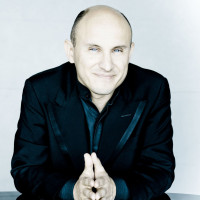
Nelson Goerner
Fun Fact
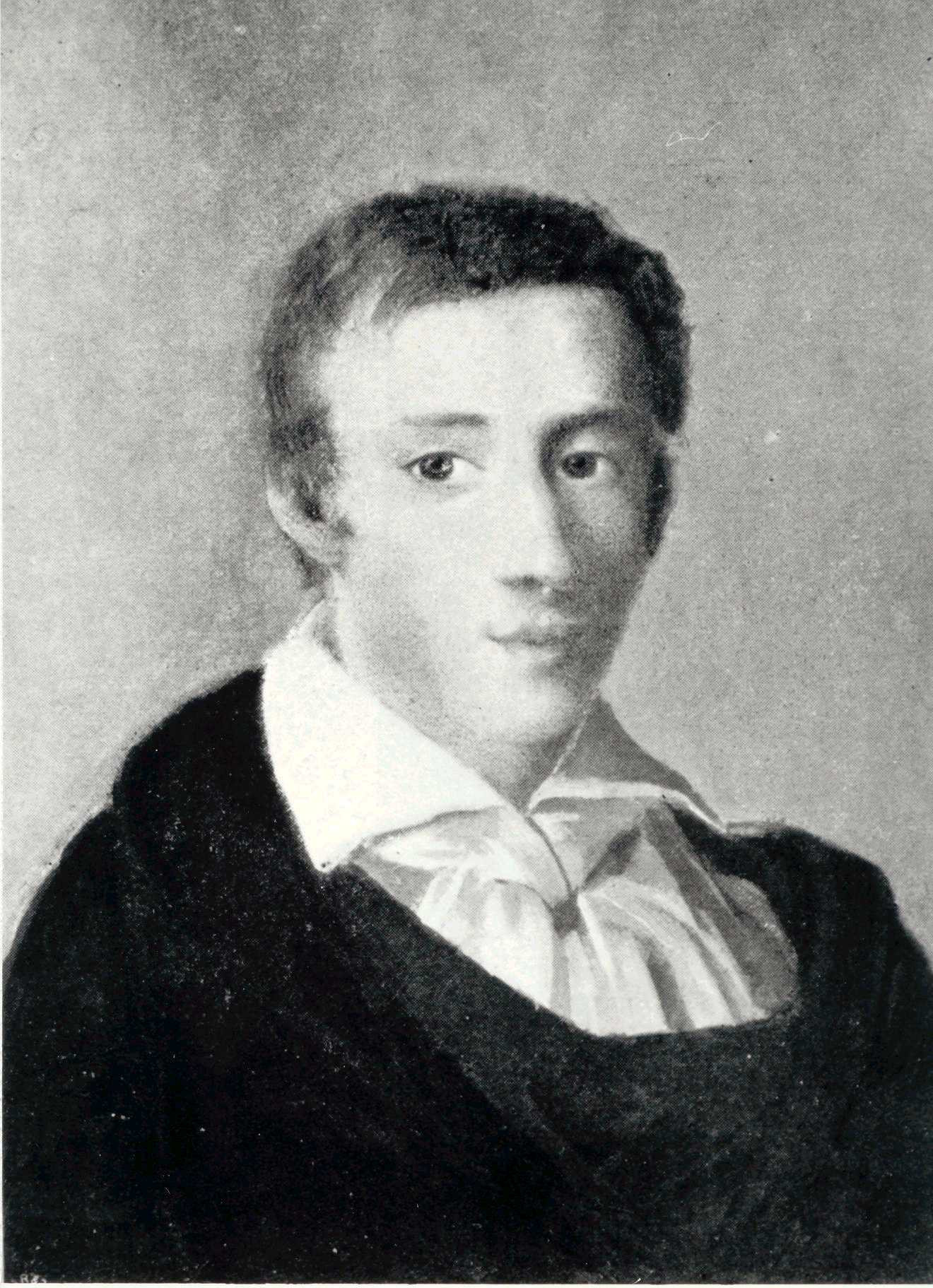
Chopin's number swap
Following the success of thePiano Concerto in F minor, Chopin immediatelycomposeda newPiano Concerto in E minor. After moving to Paris, he had it published there in 1833 as hisFirst Piano Concerto. He revised the F minor version a few more times and did not publish it until 1836,promotingit as theSecond Piano Concerto. However, because both concertos were written so close together, they are similar in style and the change in numbering does not really matter.
Musical hero
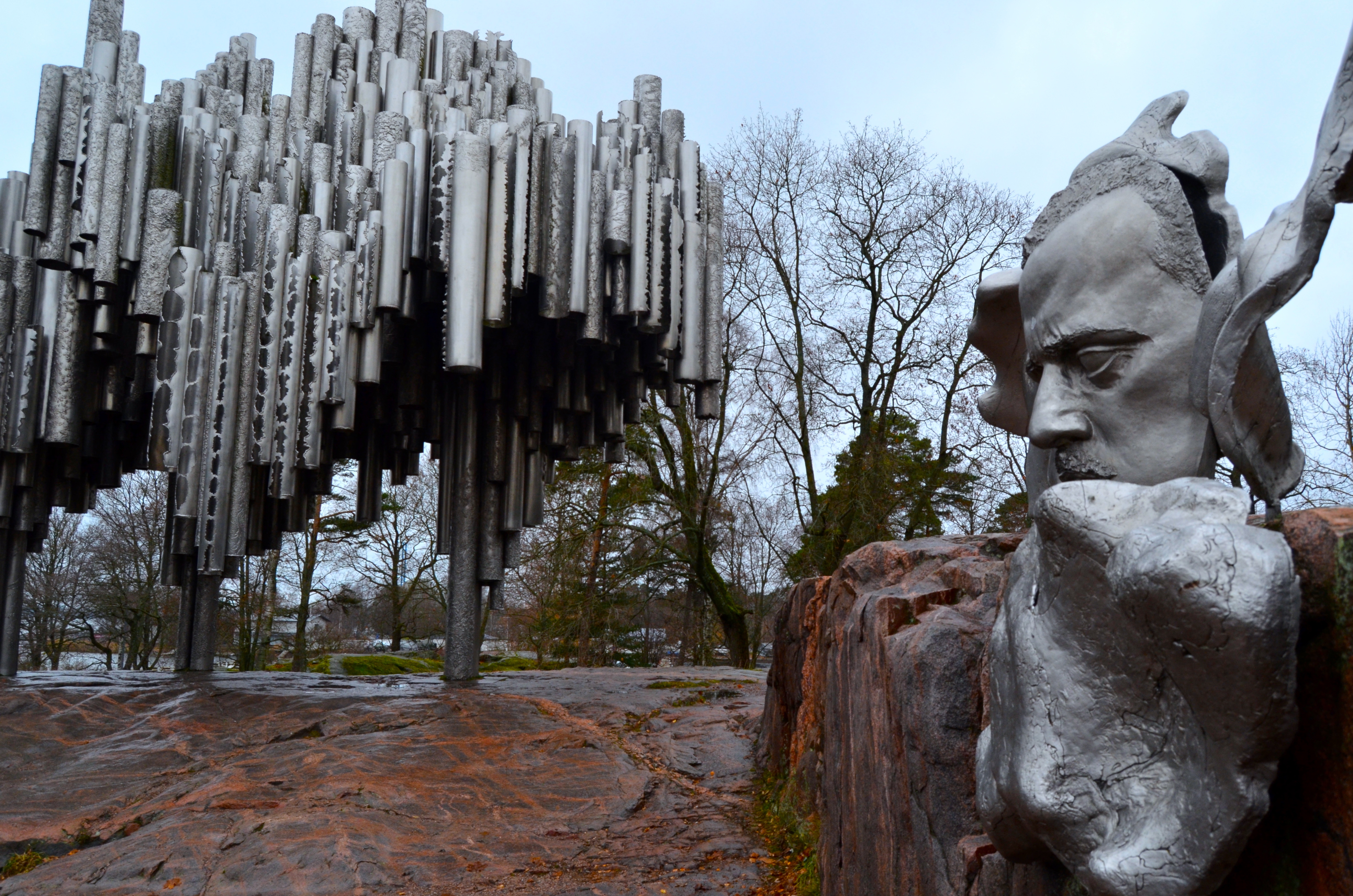
Even after his death, Sibelius remained Finland's musical hero. The famous Sibelius Monument, one of the city's major attractions, stands in a park in Helsinki. Until the introduction of the euro, his image adorned one of Finland's banknotes. And since 2011, his birthday on December 8 has been a national holiday in Finland, when flags may be flown.



Help The Hague get music!
Support us and help reach and connect all residents of The Hague with our music.

View all program booklets
Be considerate of your neighbors and turn down your screen brightness.