Make Kimchi with Bomsori
A Korean tradition, shared at the kitchen table in The Hague
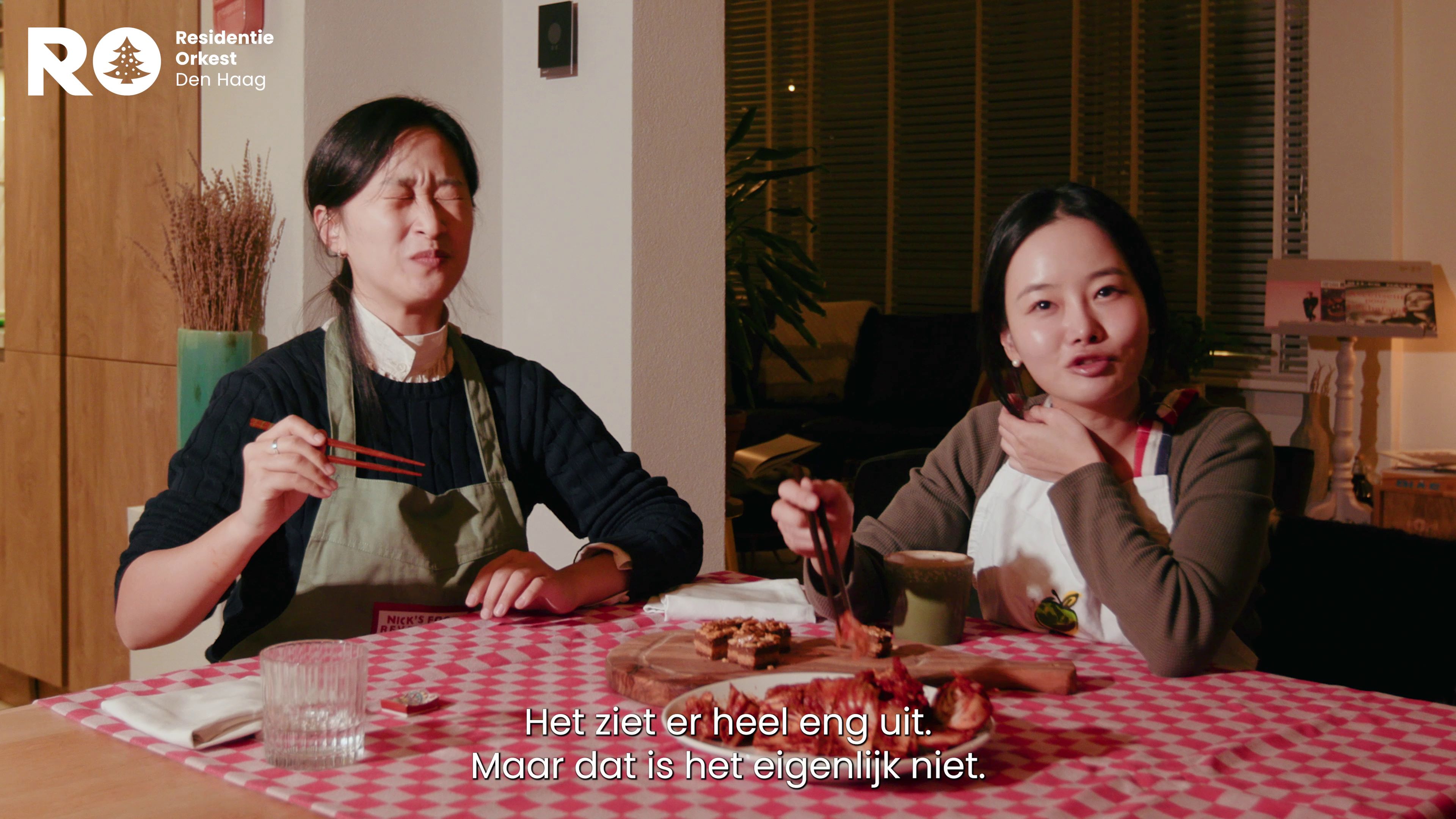
As we head into winter, we would like to take you to a place other than the Concert Hall. Our artist in residence Bomsori Kim and our violist Jieun Kim made kimchi together: part of a centuries-old Korean tradition. At the bottom of this email, you will also find a delicious recipe for making your own kimchi!
This ritual is calledKimjang: at the end of autumn, families get together in a homely atmosphere to make large quantities of kimchi to get them through the winter. In Korean households, kimchi is such an integral part of everyday eating that many families now have a separate kimchi refrigerator!
The name of violinist Bomsori means 'Sound of Spring', while Kimjang marks the beginning of winter. Top soloists like her normally travel around the world all year round and rarely visit the same city more than once during a concert season. The fact that Bomsori is in The Haguesooften this season due to herresidencyhas created a close bond with the orchestra and the city.
At the end of the video, they swap the kimchi for a typical Dutch end-of-year treat: filled speculaas.
With this shared ritual, we wish you a warm winter and all the best for the new year, with room for rest, encounters, good food, and beautiful music!
Make your own kimchi
Easy!
Koreans often eat kimchi as a side dish with white rice, or incorporated into dishes such asbibimbap. Older kimchi is particularly suitable for making traditional pancakes (kimchijeon).
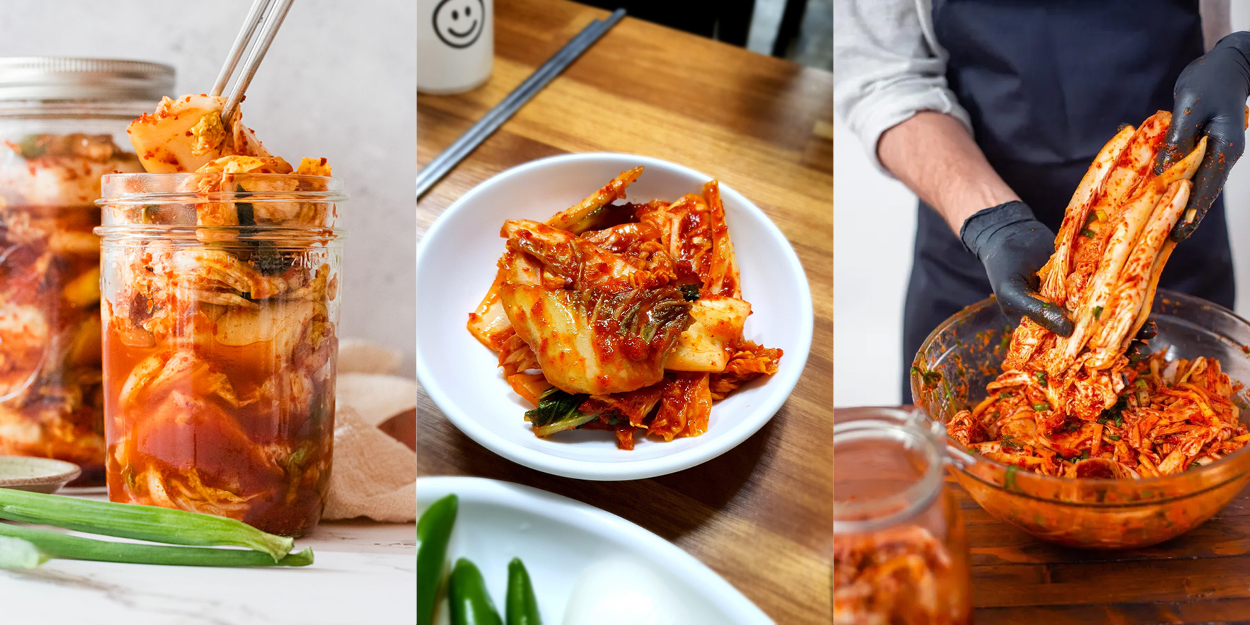
In Dutch cuisine, kimchi works surprisingly well as a substitute for sour flavors: it is delicious on a cheese sandwich, on a hamburger instead of pickles, and finely chopped in a salad or soft scrambled eggs, where it adds freshness, spice, and extra depth. In the recipe below, you can read exactly how to make your own supply of kimchi!
Requirements
4 heads of Chinese cabbage
300 g Coarse sea salt
230 g Korean chili flakes ("Gochugaru" or chili flakes with some paprika powder)
120 g Garlic
30 g Fresh ginger
200 g Spring onion
100 g Carrot
240 ml pear juice (or one ripe pear, grated with a dash of water)
Clean plastic gloves
Clean pots or storage containers (Note: plastic may turn red)
Preparation
Salts
Cut the Chinese cabbage in half lengthwise and sprinkle salt between the leaves, paying extra attention to the thick veins. Place the cabbage in a large bowl, put a plate with something heavy on top, and leave it in a cool place for 12 to 24 hours. After one night, the bowl will be full of water; this is normal.
Rinsing
The cabbage should now be soft and pliable, and taste slightly salty. If so, remove the cabbage from the bowl, rinse it thoroughly two or three times under cold water, and drain it.
Marinating
In a food processor or blender, mix the chili flakes, garlic, ginger, spring onion, carrot, and pear juice into a thick red paste. Put on clean plastic gloves before you start rubbing. The sauce is spicy and will stain your hands red. Carefully pull open the cabbage leaves and rub the paste generously between all the leaves. Fold the cabbage leaves closed, cut them crosswise into 3 to 4 pieces, and press them firmly into clean jars, leaving a little space at the top for gas formation.
Save
Close the jars and place them in the refrigerator to ferment. After 2 to 3 days, the kimchi will be mild and fresh, and after one to two weeks, it will be slightly more sour and fuller in flavor. You can also leave the kimchi to ferment at room temperature for a few days to speed up this process. Open the jars occasionally to allow gas to escape, and then store in the refrigerator.