Program Booklet
Berlioz' Symphonie fantastique
Friday December 4
8:15 p.m.
until approximately 10:15 p.m.
Yeol Eum Son returns with Rachmaninoff’s iconic Piano Concerto No. 2, followed by Berlioz’s groundbreaking *Symphonie fantastique*. A powerful, captivating concert experience.
📳
Please put your phone on silent and dim the screen so as not to disturb others during the concert. Taking photos is allowed during applause.
Programme
Prior to this concert, “ Starter ” will take place at 7:30 p.m. It’s a lively and informal pre-concert program featuring live performances by our own musicians as well as interviews with soloists and conductors. “ Starter ” is free to attend and takes place in the Swing Foyer next to the “ cloakroom.”
Ieva Raubyté (2002)
One Minute Symphony: - vos vos - melsvuoja, barely blueing (2026)
Sergei Rachmaninoff ( 1873–1943)
Piano Concerto No. 2 in C minor, Op. 18 (1901)
Moderato
Adagio sostenuto
Allegro scherzando
Hector Berlioz ( 1803–1869)
Symphonie fantastique, Op. 14 (1830)
I. Daydreams – Passions
II. A Waltz: Valse
III. Scene in the Fields
IV. March to the Place of Execution
V. Dream of a Sabbath Night
End of concert approximately 10:15 p.m.
What are you going to listen to?
The motivation behind composing an immortal work can sometimes be unusual. Rachmaninoff wrote his Second Piano Concerto as a form of therapy. And one could view *La Fantastique* as a nightmare caused by overwhelming passion and narcotics.
Captivating virtuosity
How wonderful it is when, as an exceptionally talented student of piano and composition at the conservatory, you can shine in a piano concerto you wrote yourself. That’s what happened to Sergei Rachmaninoff with his First Piano Concerto. Once he graduated, he hoped to make an even bigger splash with his First Symphony. But that turned out to be a complete fiasco. It affected the composer so deeply that he fell into a severe depression, could no longer put a single note to paper, and sought refuge in alcohol. It was the famous psychologist Nikolai Dahl who helped him recover through hypnotherapy. “You are going to write a piano concerto, and it will be a masterpiece,” was a mantra Rachmaninoff had to repeat during every therapy session. The approach worked. After a few months, he resumed composing and completed two movements of a new piano concerto. Of course, he performed it himself, but he was so nervous before the premiere that he drank a considerable amount of wine to steel his nerves. Fortunately, this did not affect his playing, and the performance was a huge success. Shortly thereafter, he wrote the opening movement, thus completing Piano Concerto No. 2.
Without a doubt, Rachmaninoff’s Second Piano Concerto is a masterpiece, if only for the compelling virtuosity that easily overwhelms the listener. But the work has much more to offer. For instance, the first movement is a perfect sonata form with two themes, which, however, are not divided in the traditional way between the orchestra and the soloist, but subtly interweave between the two parts. And the overwhelming melody that concludes the third movement is one of unparalleled musical power. It proves once again that Rachmaninoff’s nervous breakdown had not diminished his gifts—not as a pianist, and certainly not as a composer.
Crime of Passion
“My life is a novel that fascinates me deeply,” Hector Berlioz once said. He was right, because his biography reads like a thrilling novel. The most important chapter in it began in 1827, when he was still an unknown composer. He had attended a play in his hometown of Paris, in which the Irish actress Harriet Smithson played the lead role. Instantly head over heels in love, he showered her with love letters, enormous bouquets of flowers, and other gifts—which she, however, sent back without hesitation, uninterested in the declarations of love from some overwrought musician. To channel his frustration, Berlioz composed his *Symphonie fantastique*. And what a piece it is. He called it “Episodes from the Life of an Artist” and included a detailed description of the musical content in the preface to the score. In it, he describes how an artist, tormented by heartbreak and clouded by opium, has a terrifying dream. He meets a beautiful woman who ignites love within him, later encounters her at a ball, and during an idyllic scene in the countryside. But she remains unattainable, and in his frustration, he murders her. The artist is convicted and ends up on the scaffold. But in the underworld, she reappears—now as an angry demon—who drives him to madness. A single, drawn-out theme runs through all five movements of the symphony—the “idée fixe,” as Berlioz himself called it—which portrays this ill-fated love. It begins gently but grows more grim in each movement until it ultimately culminates in a shrill dance of hell accompanied by death knells and the “Dies irae” from the Gregorian Requiem.
The *Symphonie fantastique* was a huge success. The audience was stunned, but above all captivated by the unique way in which such an intensely emotional story was told through music. Harriet knew nothing of any of this. Ironically, on the day of the premiere in Paris, she was on stage, unaware that a few streets away, a magnificent symphony in her honor was being performed. And Berlioz? His life was moving at a breakneck pace. By then, he had fallen head over heels for an attractive young pianist and, even before the premiere of the *Fantastique*, had become engaged to her.
Kees Wisse
Prefer it on paper? Download a condensed printable version of this program.
Biographies
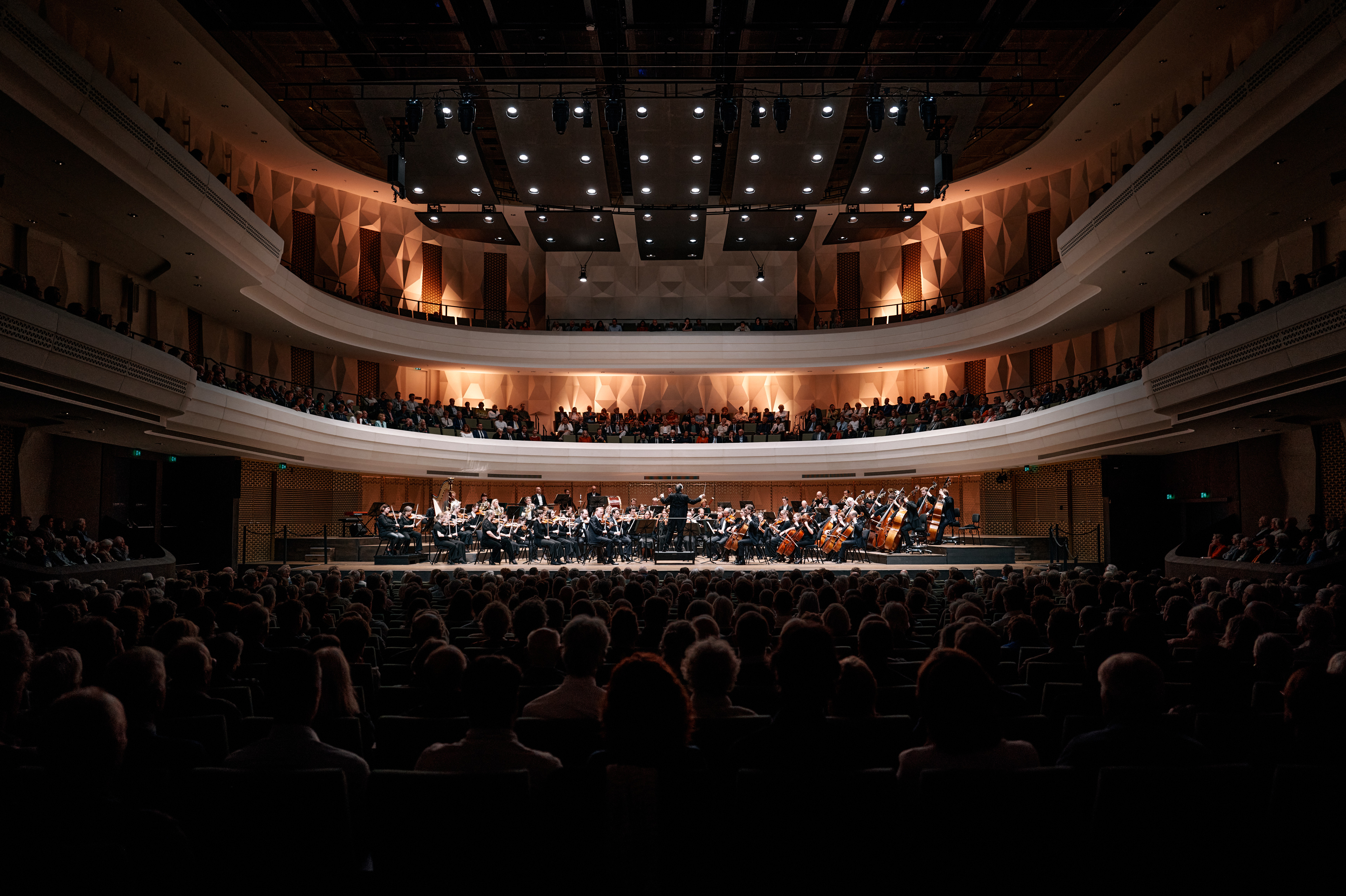
Residentie Orkest The Hague
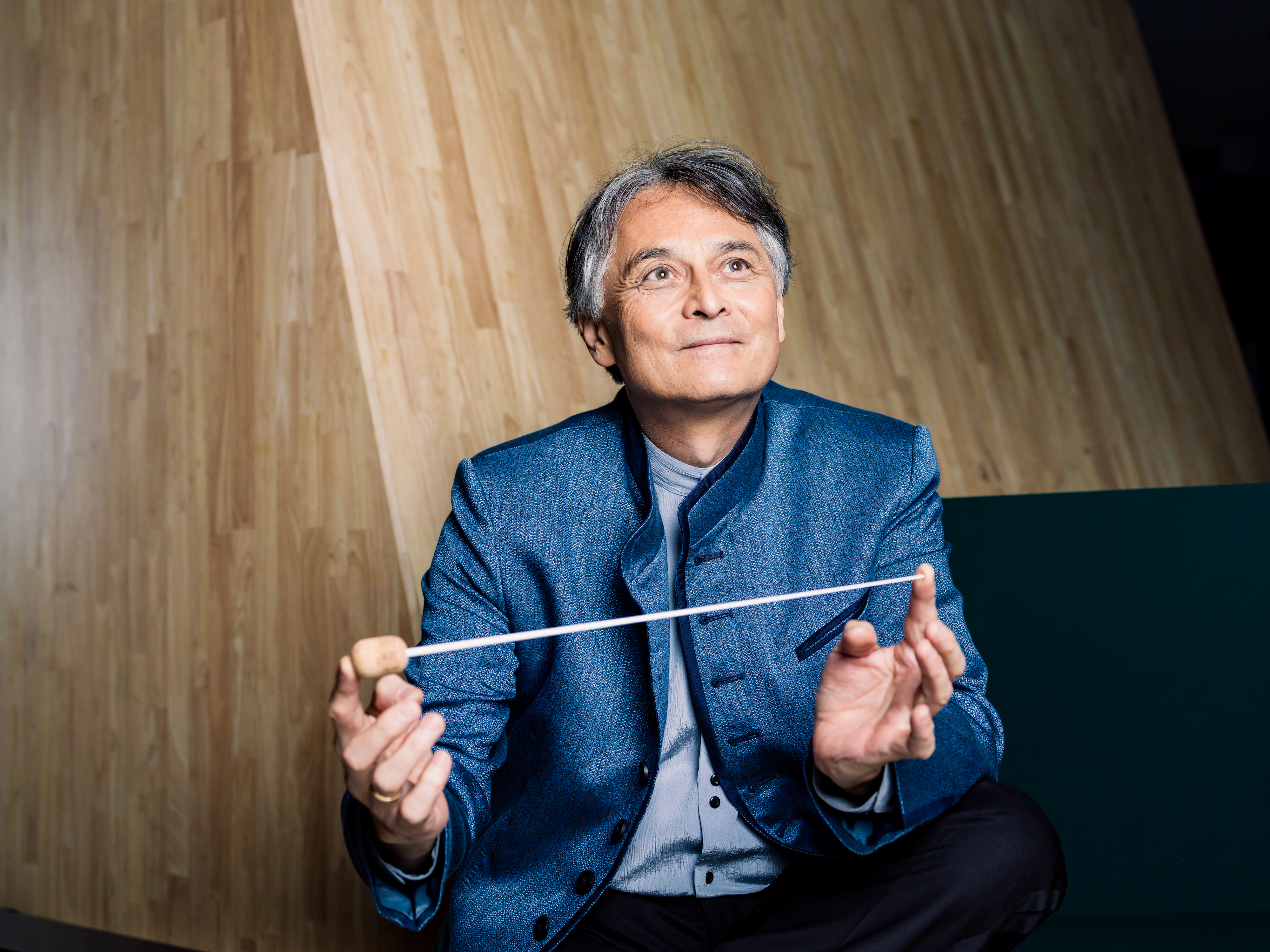
Jun Markl
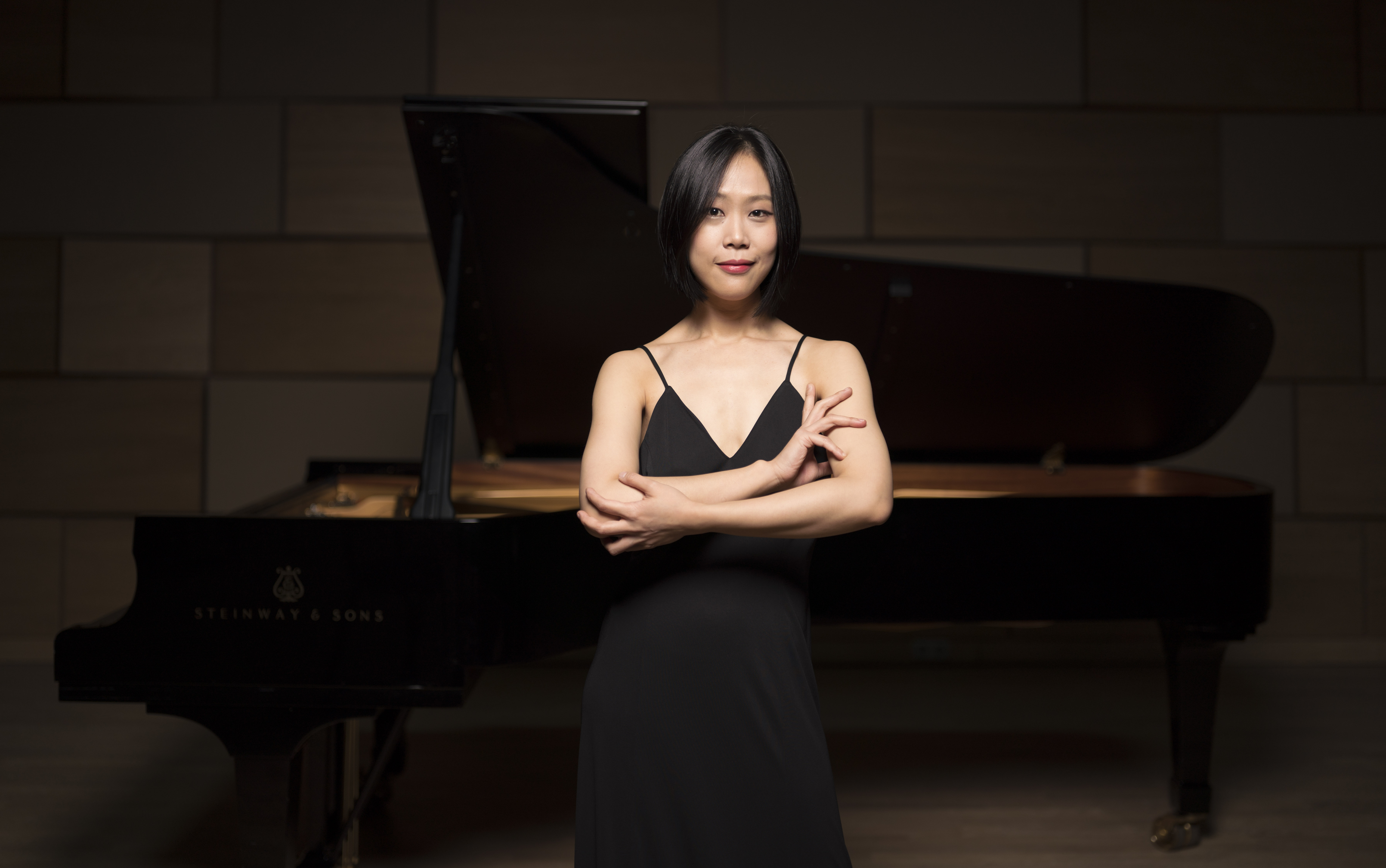
Yeol Eum Son
Fun Fact
Clocks
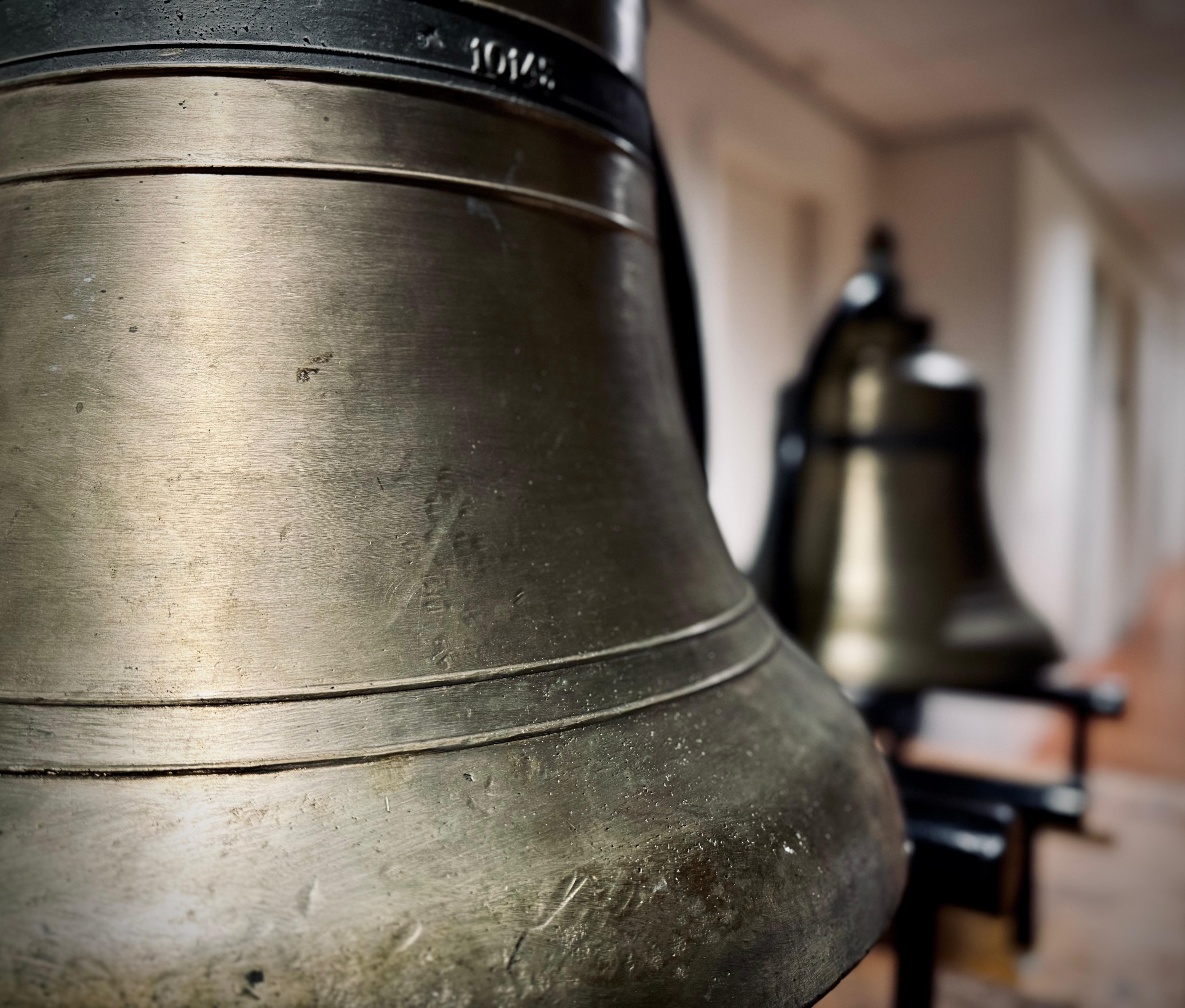
What Hector Berlioz unleashed with his revolutionary Symphonie fantastique in 1830 was unheard of. Core motifs, drama, the grand orchestral scoring, it was all unprecedented. For the first time there was even a bell in the orchestra, for a haunting effect at the witches' sabbath of the Last movement. With us, they are just outside the Concert Hall.
Today in the orchestra


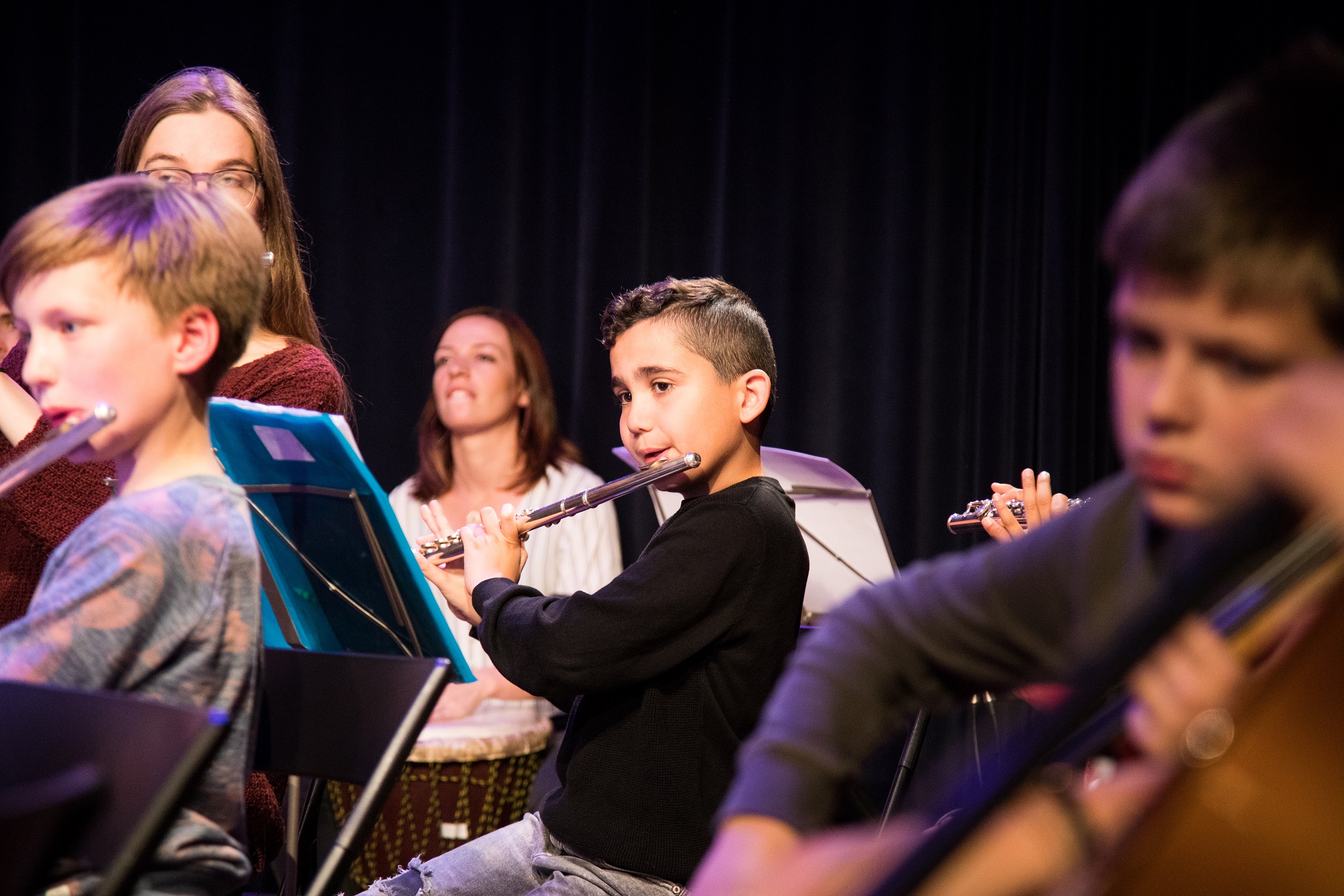
Help The Hague get music!
Support us and help reach and connect all residents of The Hague with our music.
View all program booklets
Be considerate of your neighbors and turn down your screen brightness.