Program Booklet
Bruckner & Sibelius
Friday , May Friday
8:15 p.m.
to approximately 10:15 p.m.
Let yourself be swept away by Sibelius's Finnish landscapes and Bruckner's symphonic grandeur in this stunning musical season finale.
📳
Please put your phone on silent and dim the screen so as not to disturb others during the concert. Taking photos is allowed during applause.
Programme
Lingyuan Yang (2001)
One Minute Symphony: Coded 47(2026)
Read more about the One Minute Symphony here.
Jean Sibelius (1865–1957)
Violin Concerto in D minor, Op. 47(1904–1905)
Allegro moderato
Adagio di molto
Allegro ma non tanto
Anton Bruckner (1824–1896)
Symphony No. 6 in A(1881)
Majestoso
Adagio: Very solemn
Scherzo: Not fast – Trio: Slow
Finale: Moving, but not too fast
The concert ends around 10:30 p.m.
What are you going to listen to?
While Jean Sibelius was studying at the Vienna Conservatory in 1890 and 1891, he tried to take lessons from Anton Bruckner, who was teaching there. Bruckner declined due to his age and health, but Sibelius always held Bruckner’s work in high regard.
Devilishly difficult notes
Ten years after his time at the Vienna Conservatory, Jean Sibelius may have been Finland’s national hero thanks to his patrioticSymphonies No. 1 and No. 2—andespecially*Finlandia*—buthehimselfwas on the verge of self-destruction. He would sometimes flee his home for weeks at a time, immersing himself in excessive drinking and feasting. Worse still, these excesses took place in Helsinki’s most expensive restaurants, leaving Sibelius in dire financial straits. As a former professional violinist, the easiest and quickest solution was to write a violin concerto, which he completed in 1904. The result was a captivating yet capricious rhapsody in which the violin and violinist were challenged to the limits of their abilities. He had also turned the orchestral part into a true symphonic masterpiece. He would have liked the German virtuoso Willy Burmeister to perform the premiere, but Burmeister had other commitments. His second choice was Victor Nováček, but the devilishly difficult notes were beyond his reach, resulting in a fiasco of a performance. Sibelius composed a new version that was slightly simpler. Burmeister was very interested, especially since Richard Strauss was to conduct the Berlin Court Orchestra. But once again, the violinist was unavailable, and Sibelius asked to postpone the performance for a short time. However, Burmeister refused and set his sights on Karel Halír, concertmaster of the Berlin orchestra. Burmeister was furious andneverperformed theViolin Concerto. Sibelius dedicated the work to the thirteen-year-old Hungarian child prodigy Franz von Vecsey. The success was now enormous, and from then on, it became an indispensable part of the concert repertoire. To this day,Sibelius’s Violin Concertoremains the most frequently performed solo concerto of the twentieth century.
The boldest
“Happiness is where you are not”—famous words by Goethe that could well describe Anton Bruckner’s aspirations as a musician. Over the course of his life, he became a successful organist, a professor at the Vienna Conservatory and University, and composed a large number of highly regarded motets and masses. But Bruckner’s true passion lay in his symphonies—works to which he devoted many years but which, for a long time, were rarely performed in concert halls.
But Bruckner wasn’t deterred. In 1879, he began work on hisSymphony No. 6 with undaunted determination, completing it in 1881. And he was pleased with it. “Die Sechste ist die Keckste” (“The Sixth is the boldest”), he claimed. And whereas he endlessly revised and altered his other symphonies, he left theSixthvirtually untouchedafterits completion. Despite all that boldness, this symphony, like its predecessors, is a grand structure, based on a classical scheme that Mozart and Haydn had already used for their symphonies. It begins with a broad-stroked first movement in which a robust first theme and a melodious second theme balance each other out. The adagio is very solemn (sehr feierlich), carried by several heavenly melodies. This is followed by a scherzo, in which Bruckner, in terms of tempo, almost harkens back to the minuet that occupied this spot in the symphony during the eighteenth century. The finale, with its contrasting themes, brings the work to an exciting and at times daring conclusion.
Bruckner had only limited opportunity to enjoy hisSixth Symphony. He heard it once during a single rehearsal and heard the second and third movements during a concert in Vienna. In 1899, a few years after Bruckner’s death, Mahler did dare to attempt a full performance, though it was heavily edited to reflect his own interpretations. A truly authentic performance did not take place until 1901. And while Bruckner’s symphonies grew increasingly popular in the twentieth century, theSixthwaslongtreated as a stepchild. Fortunately, that is a thing of the past, and the work now enjoys the same status as the other seven and a half by the great master.
Kees Wisse
Prefer it on paper? Download a condensed printable version of this program.
Biographies

Residentie Orkest The Hague
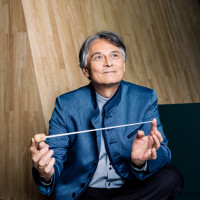
Jun Märkl
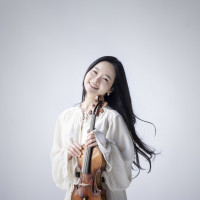
Bomsori Kim
Fun Fact
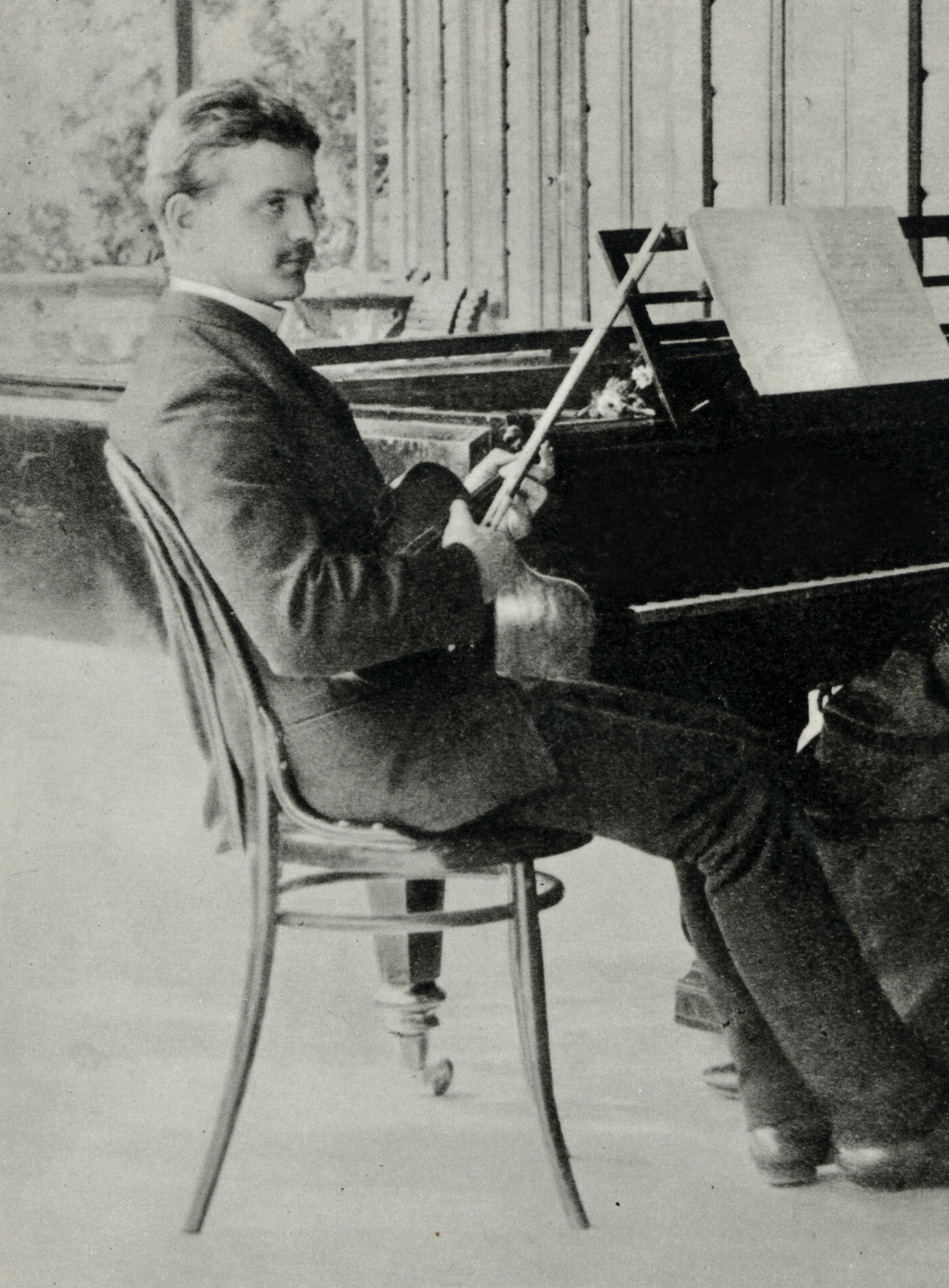
Almost a concert violinist
Sibelius was able to write such a challenging violin concerto because he was an excellent violinist himself and had intended to become a concert violinist. He studied violin in Vienna and occasionally performed with the Vienna Philharmonic. He even auditioned for a permanent position in the orchestra but was rejected. After that, he gave up his ambitions and devoted himself entirely to composing.
Today in the orchestra

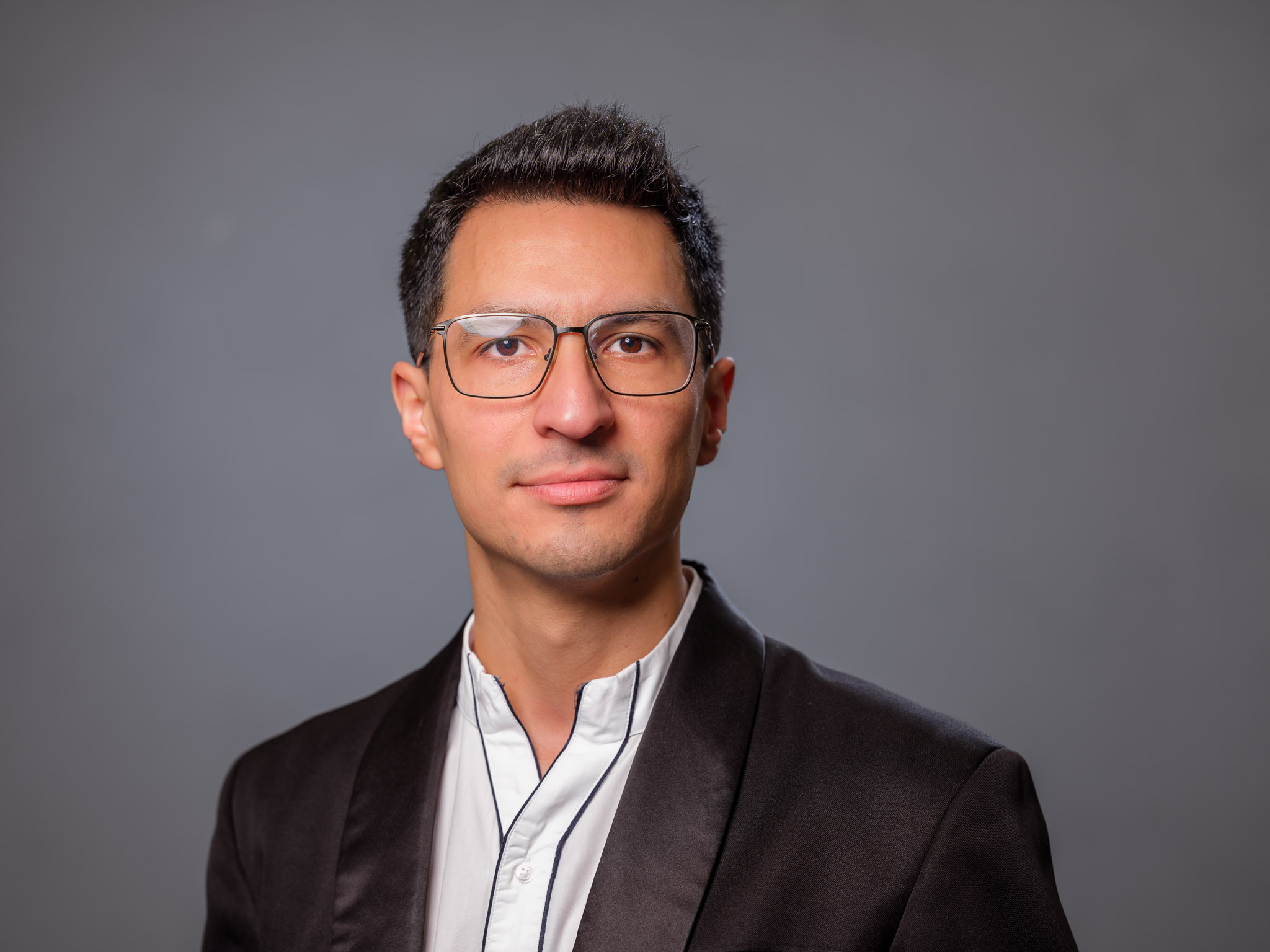

RO QUIZ
What was Bruckner's hobby?-
Birdwatching
Answer: Counting objects
Bruckner had a fascination with numbers and would obsessively count things like windows, trees, and even buttons. He also kept track of his prayers and daily routines, and he loved swimming.
-
Mountain climbing
Answer: Counting objects
Bruckner had a fascination with numbers and would obsessively count things like windows, trees, and even buttons. He also kept track of his prayers and daily routines, and he loved swimming.
-
Counting objects
Answer: Counting objects
Bruckner had a fascination with numbers and would obsessively count things like windows, trees, and even buttons. He also kept track of his prayers and daily routines, and he loved swimming.
_nach_1890_(c)_ludwig_grillich_(18561926).jpg/710d79ff02054b47ba474847eac15160.jpg)
Answer: Counting objects
Bruckner had a fascination with numbers and would obsessively count things like windows, trees, and even buttons. He also kept track of his prayers and daily routines, and he loved swimming.
Help The Hague get music!
Support us and help reach and connect all residents of The Hague with our music.

View all program booklets
Be considerate of your neighbors and turn down your screen brightness.