A life in music
Former violist Jet den Hertog on her 24 years with the Residentie Orkest —both on and off stage
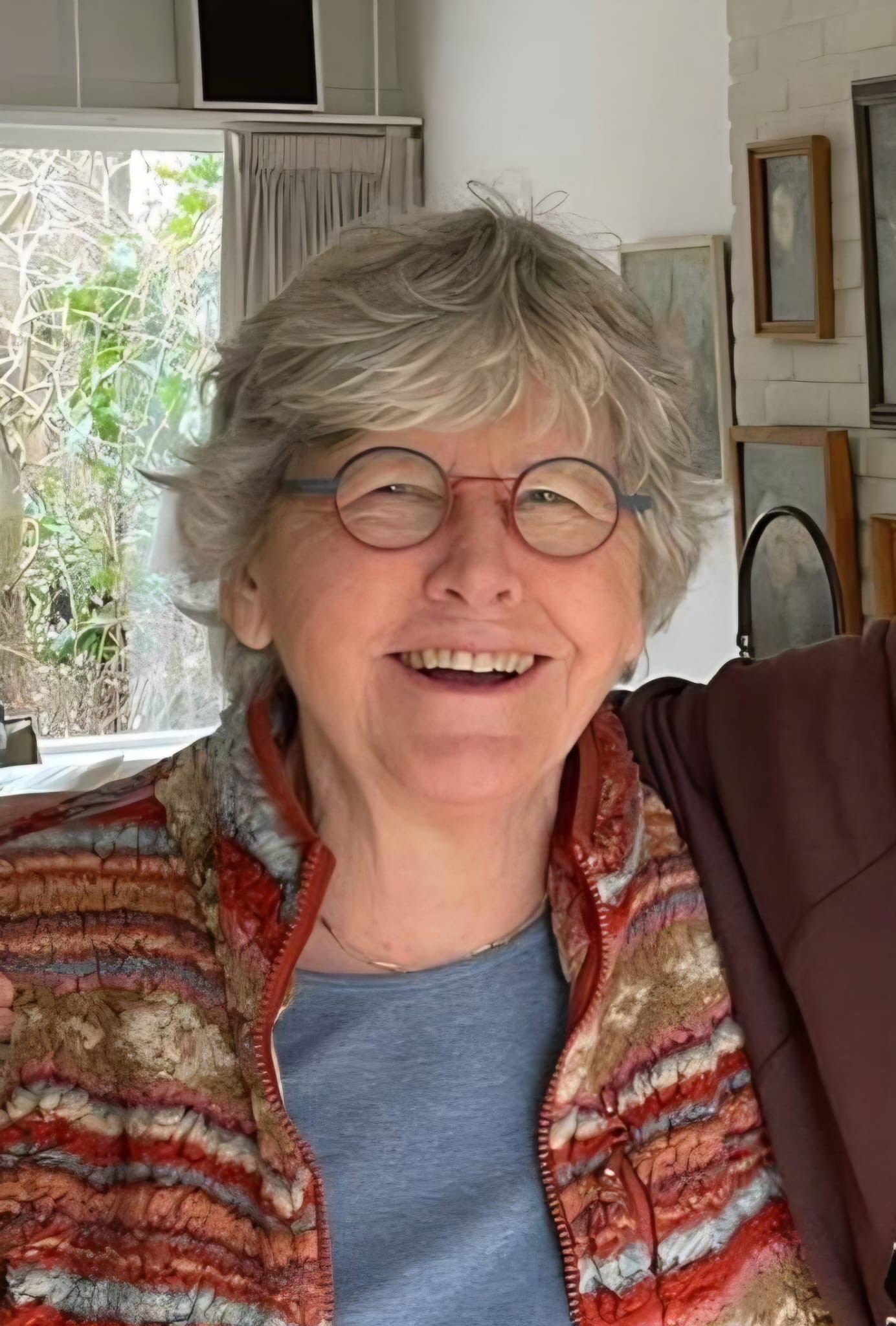
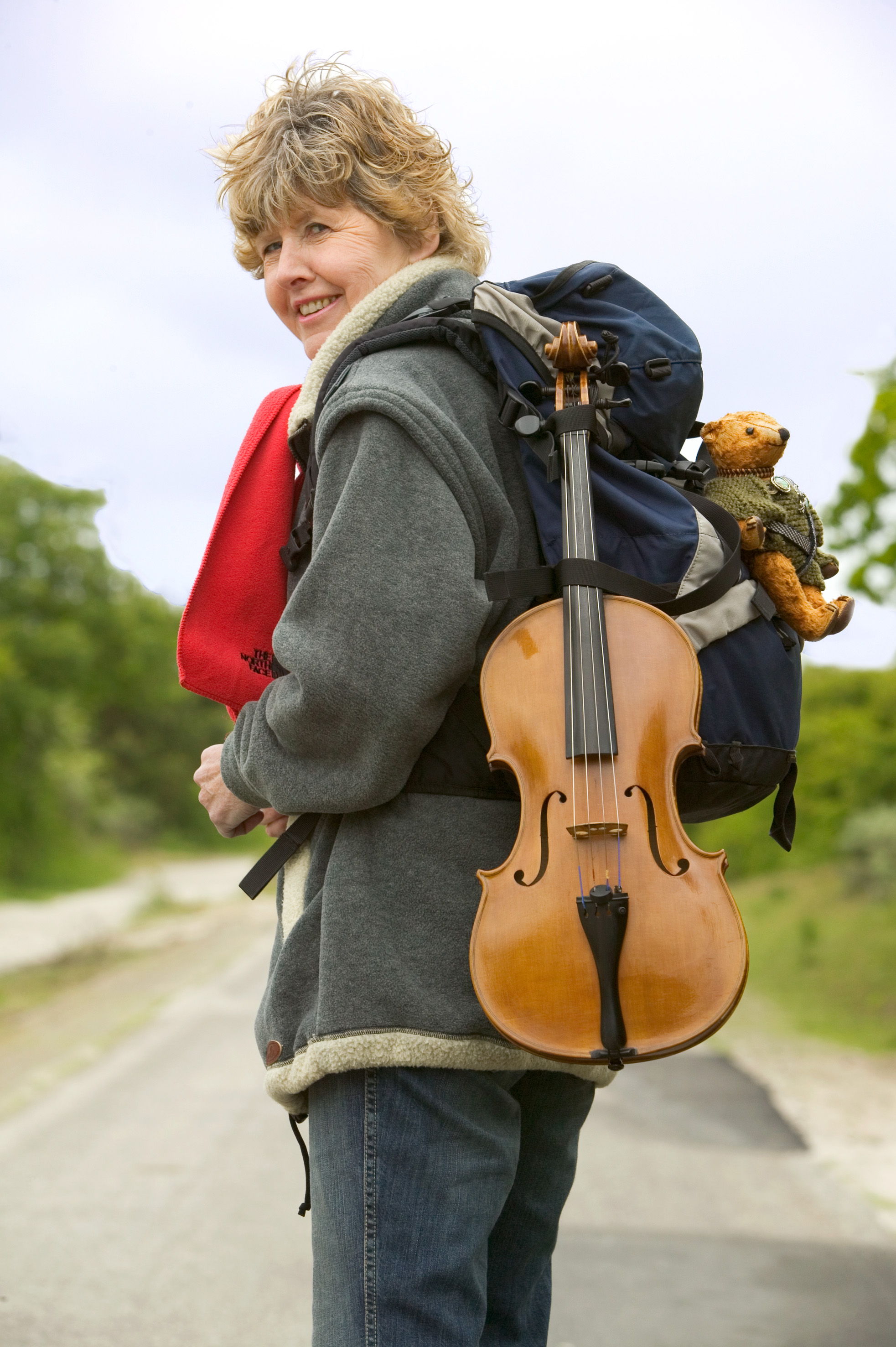
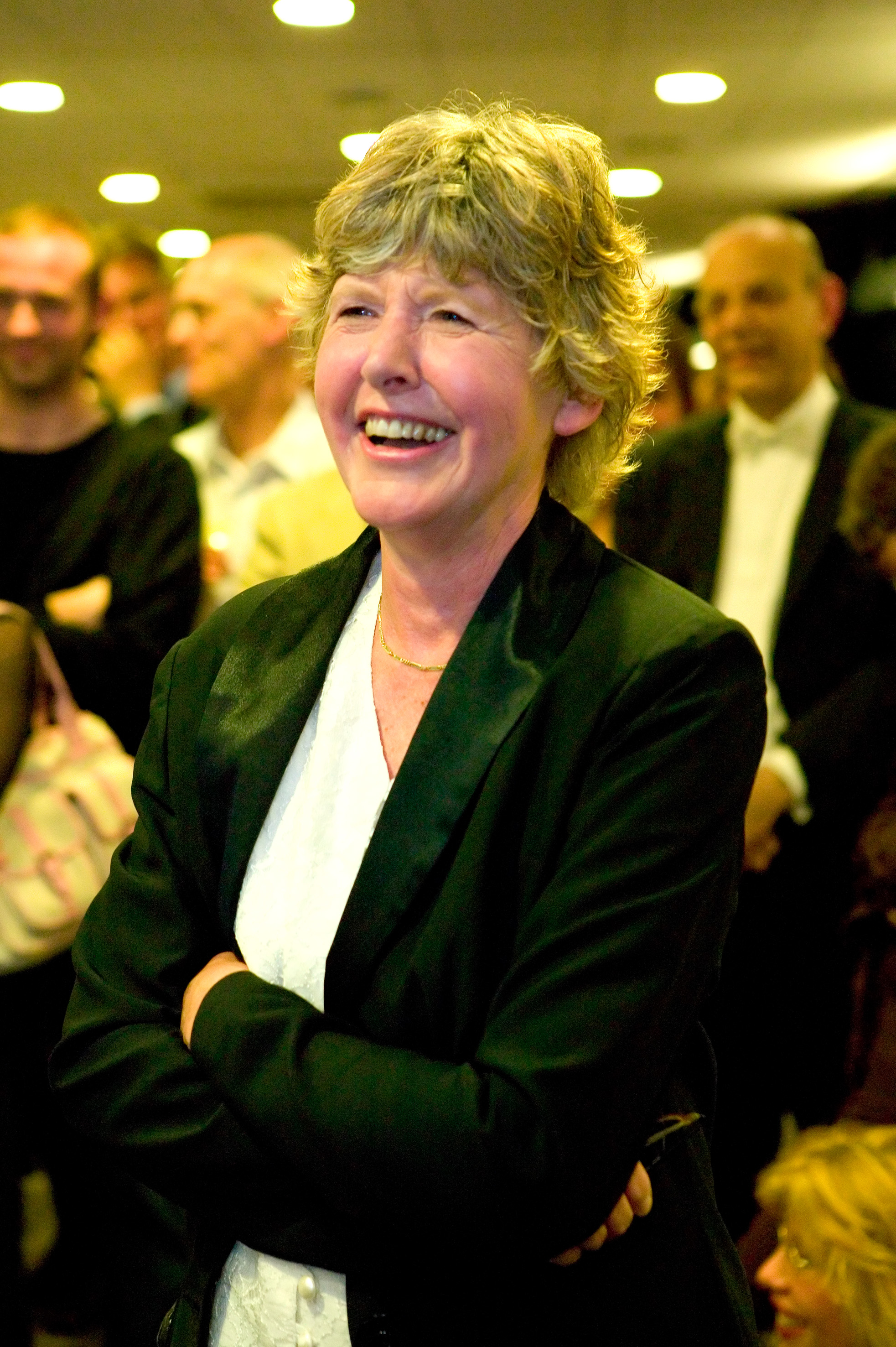
In the month marking the founding of the “ Residentie Orkest ,” we look back with a former orchestra member. This time: Jet den Hertog (83). As a violist, she joined the “ Residentie Orkest ” in 1982—partly thanks to love—and retired in 2006. During those 24 years, she not only developed her playing but also formed deep ties with the organisation —including as a writer, chair of the works council, and organizer of walks. Where did her deep commitment come from, and where did it lead? And how has she seen the orchestra change?
At the start of the interview, Jet den Hertog admits to her initial hesitation: “When I was asked to do this, I thought: What am I supposed to say? It’s been twenty years since I left. That’s an eternity. And in a way, I can’t imagine it’s been that long. Once you start thinking about it again, so many memories come flooding back…” And in Den Hertog’s case, this is literally true: she pulls all sorts of things out of a bag. The columns and books she’s written, reports, photos, CDs: Den Hertog certainly didn’t sit still during her time at the “ Residentie Orkest .” “Sometimes I think: where did I even find the time to keep performing?”
"At the Residentie Orkest , everything was different and exciting, and that really appealed to me. And it was truly a top-notch symphony orchestra."
- Jet den Hertog
First Concerts at the “
” Retirement Home The objects displayed on the table are tangible reminders of a busy and dedicated career with the orchestra. A career that, as is so often the case with musicians, was rooted in the musical family in which she grew up. “My mother studied for several years at the Hochschule für Musik in prewar Berlin, which was bustling with art, concerts, and recitals. After returning to the Netherlands, she played viola in the women’s salon orchestra Wiener Damen Kapelle, which performed at various venues across the country at the time. My father was a chemist but also played the piano well. As a hobby, he and his brother arranged various string quartets for piano quatre-mains.” Den Hertog and her brother were immediately “put on an instrument” as children. Her brother threw himself into the piano; she herself liked the flute, but according to her parents, it didn’t fit very well into the family quartet. And so the choice fell on the violin. Together with her parents and brother, Den Hertog gave her first concerts at the nursing home where her grandmother lived.
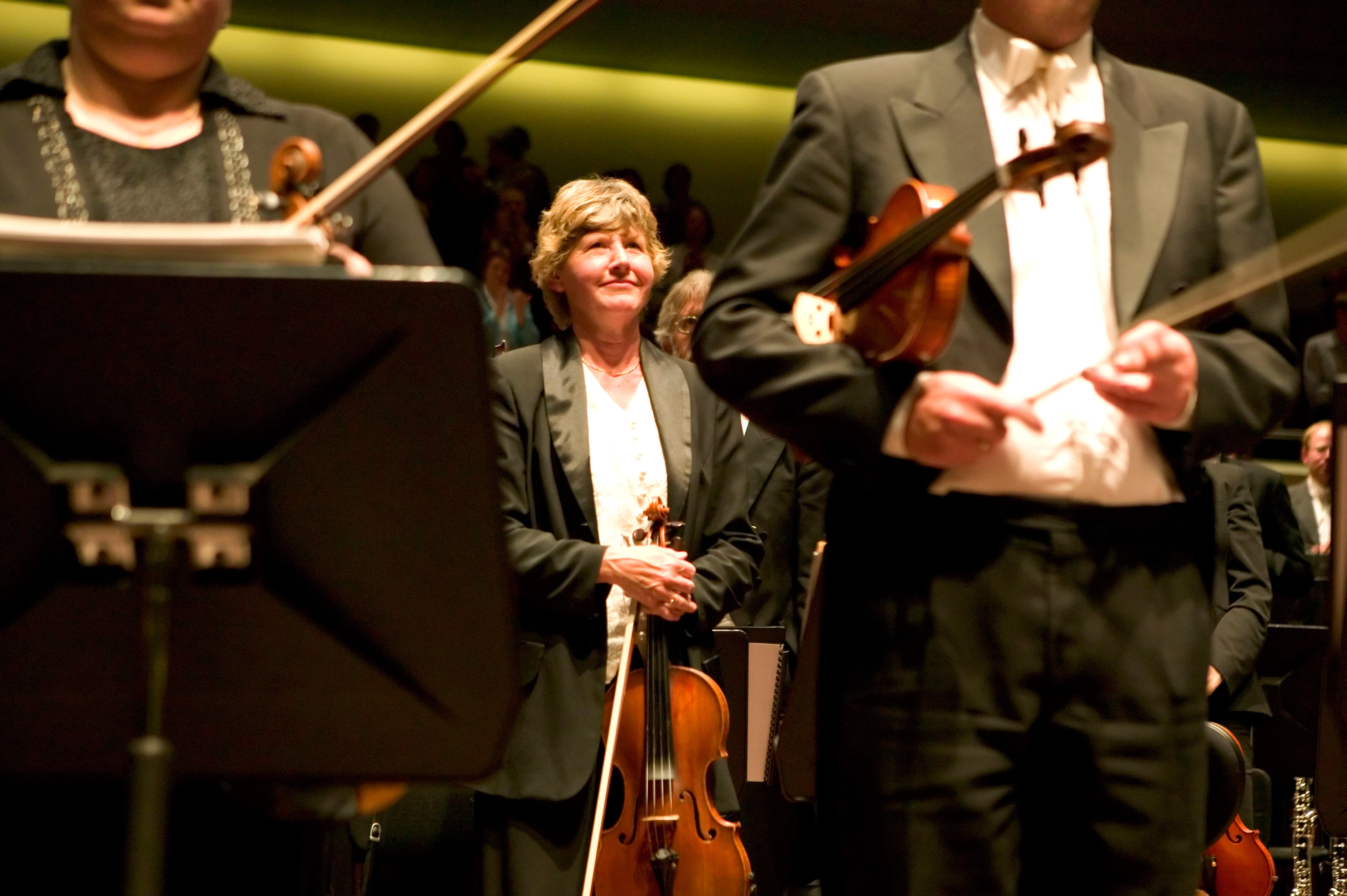
Not Always the Star
As a teenager, she met a friend of her mother’s—a Scottish violist who taught at the Royal Academy of Music in London—who made a huge impression on her. “She was very inspiring, a hugely outgoing person who enjoyed a drink now and then, as is often the case in the music world. In addition to my mother, she also taught me. She encouraged me to sign up for two summer courses in England.” After the courses, during which Den Hertog got a taste of playing in an ensemble, she was “hooked.” After graduating from the Muzieklyceum in Amsterdam, she joined the South Holland Regional Orchestra and later the North Holland Philharmonic Orchestra in Haarlem. It was love that led her to the Residentie Orkest in 1982. “My partner Claartje van Peijpe, whom I had met in Haarlem and with whom I was already living at the time, had been hired there as first violinist. I’d already auditioned for violin in The Hague at the time, but hadn’t been accepted. Then I thought: I don’t always have to take the lead. I actually love the supporting role. So I auditioned for viola and got the spot!”
A seat for 400 guilders
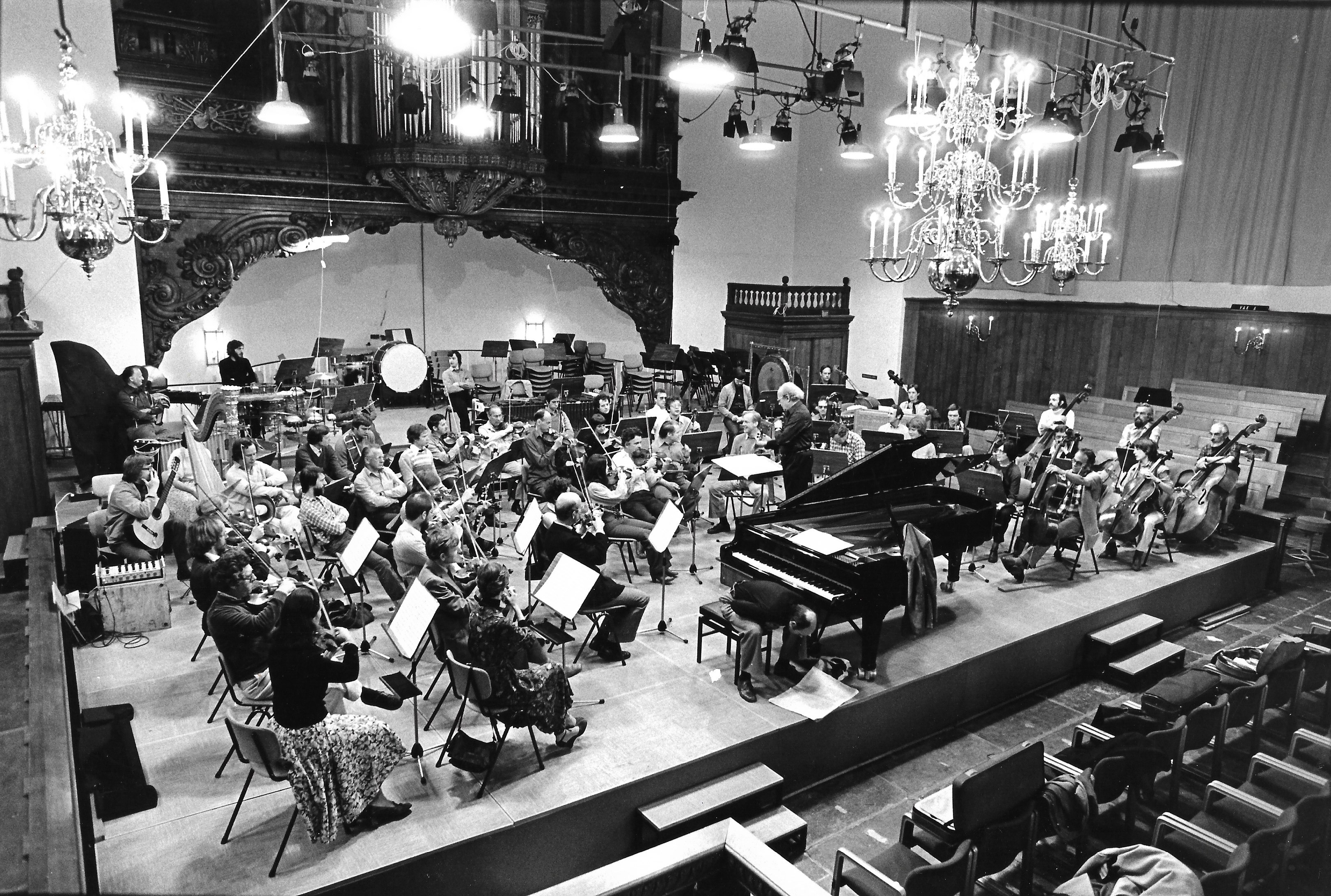
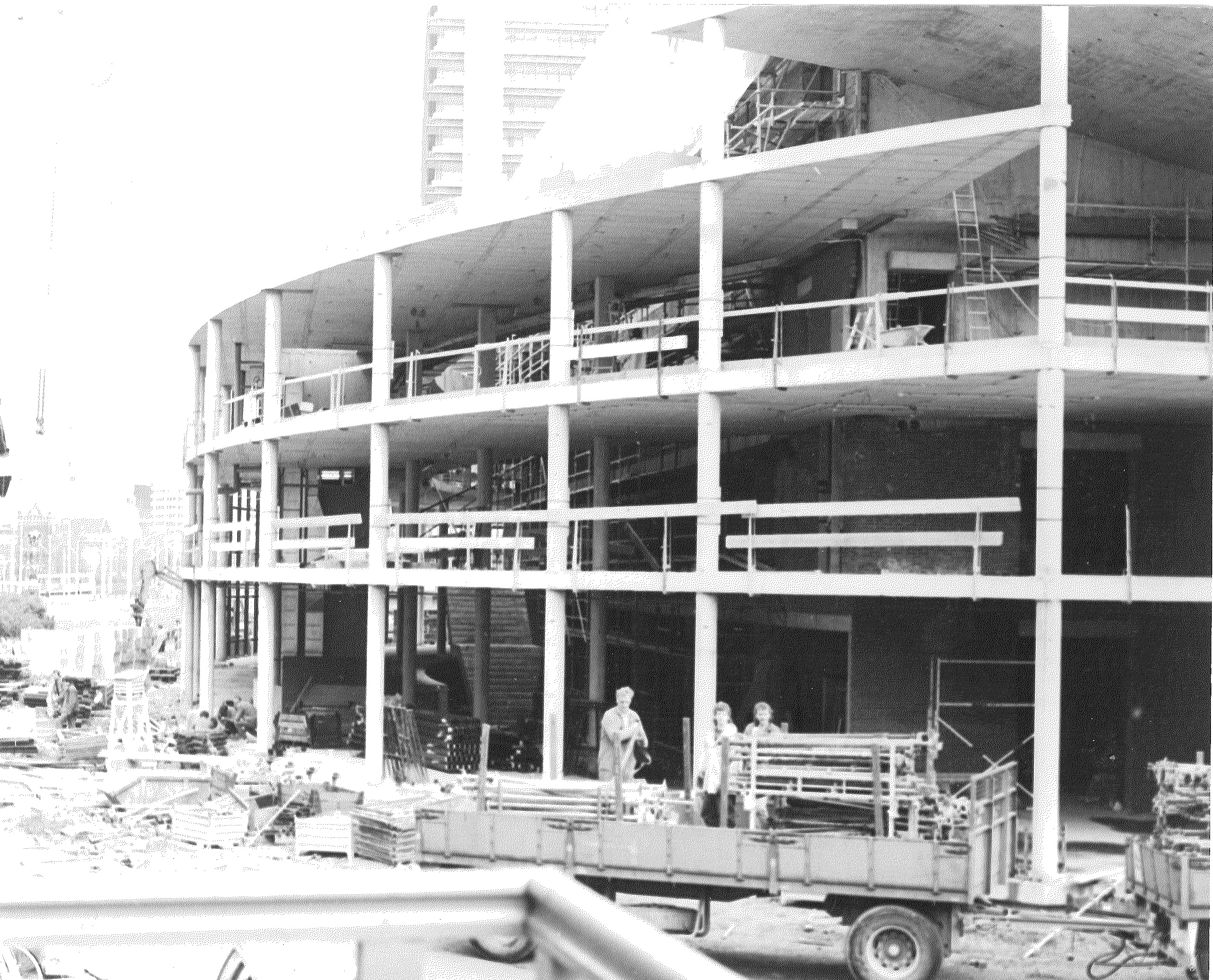
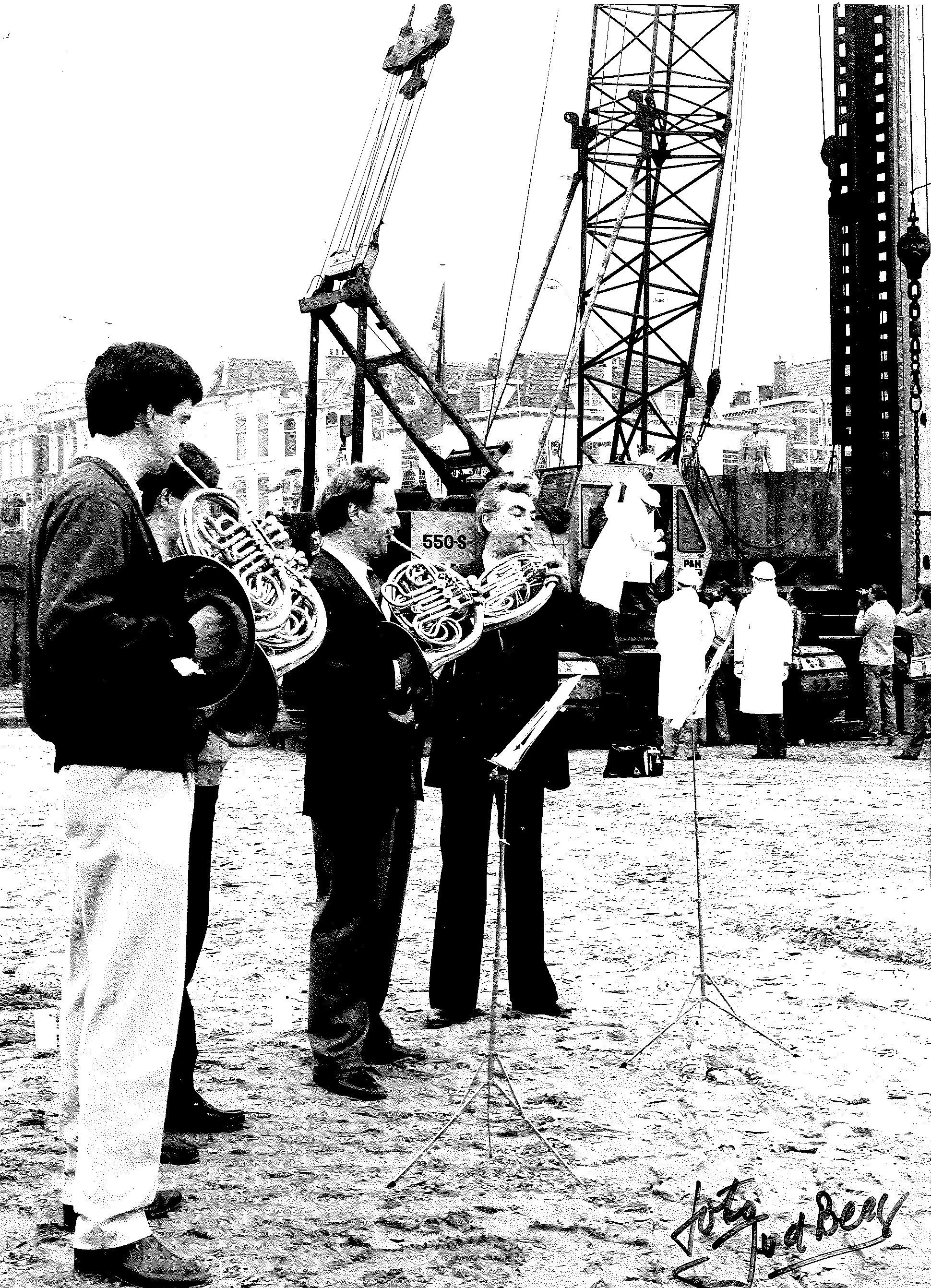
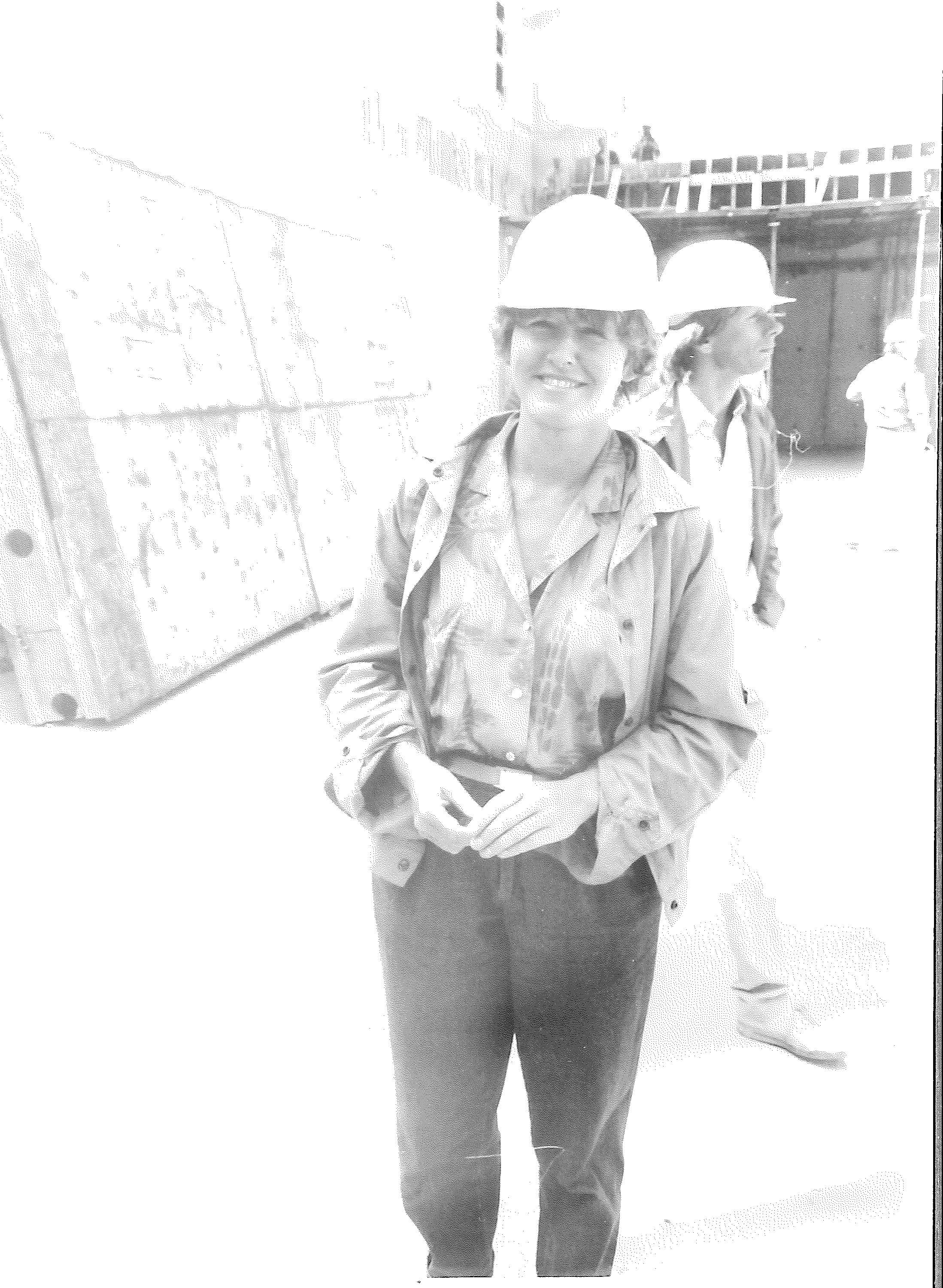
The Residentie Orkest was a huge professional stepping stone for Den Hertog. “In the Regional Orchestra, we had to unpack and set up our music stands ourselves—there wasn’t much money. At the Residentie Orkest , everything was different and exciting, which really appealed to me. And it was truly a solid symphony orchestra.” Den Hertog joined the orchestra when it was based at the “ Nederlands Congresgebouw.” “We rehearsed at the ‘ Nieuwe Kerk ’ and gave concerts at the ‘ Nederlands Congresgebouw.’ Rehearsing in a church with excessive acoustics and then performing in a hall that was very dry—and better suited for spoken word—was very difficult. It was clear: we needed our own hall.” Together with the other orchestra members, Den Hertog campaigned hard to secure funding: she sold CDs and LPs, went door-to-door through neighborhoods with a briefcase full of documents, and tried to persuade people to donate or “buy a seat for 400 guilders—your nameplate would be attached to it.” It worked: the Dr. Anton Philipszaal became the orchestra’s new home. “We were so ready for it! The opening was celebrated with a performance of * Le Sacre du Printemps*, conducted by Hans Vonk. I played in that performance.”
Put down the baton, close the door
Vonk was a good conductor, she recalls. “He conducted Bruckner at the Vienna Musikverein; there was magic in the air afterward.” But he was also unpredictable—though she can easily put herself in a conductor’s shoes. “For a conductor, how an orchestra responds to him is incredibly important. You have to try to find common ground.” That didn’t always come naturally. Den Hertog recalls Yevgeny Svetlanov, who served as chief conductor from 1992 to 2000. “He made small movements with his hands and clearly left his mark on the orchestra. If you’d played beautifully, he could be incredibly happy—he’d have such a smile on his face. As an orchestra member, of course you want to see that! But he had his quirks, too. Once during a rehearsal under his baton, an orchestra member arrived late because of a hospital visit and then sat down without offering an apology. Shortly after that, another latecomer managed to crawl under the music stands to get to his seat. We couldn’t help but laugh. Svetlanov thought we were laughing at him. It was really a case of: baton down, off to his room, door shut. As the works council—of which I was chair—we had to work hard to patch things up…” But above all, she emphasizes, Den Hertog witnessed a transformation in all those chief conductors.
Conversations in Nature
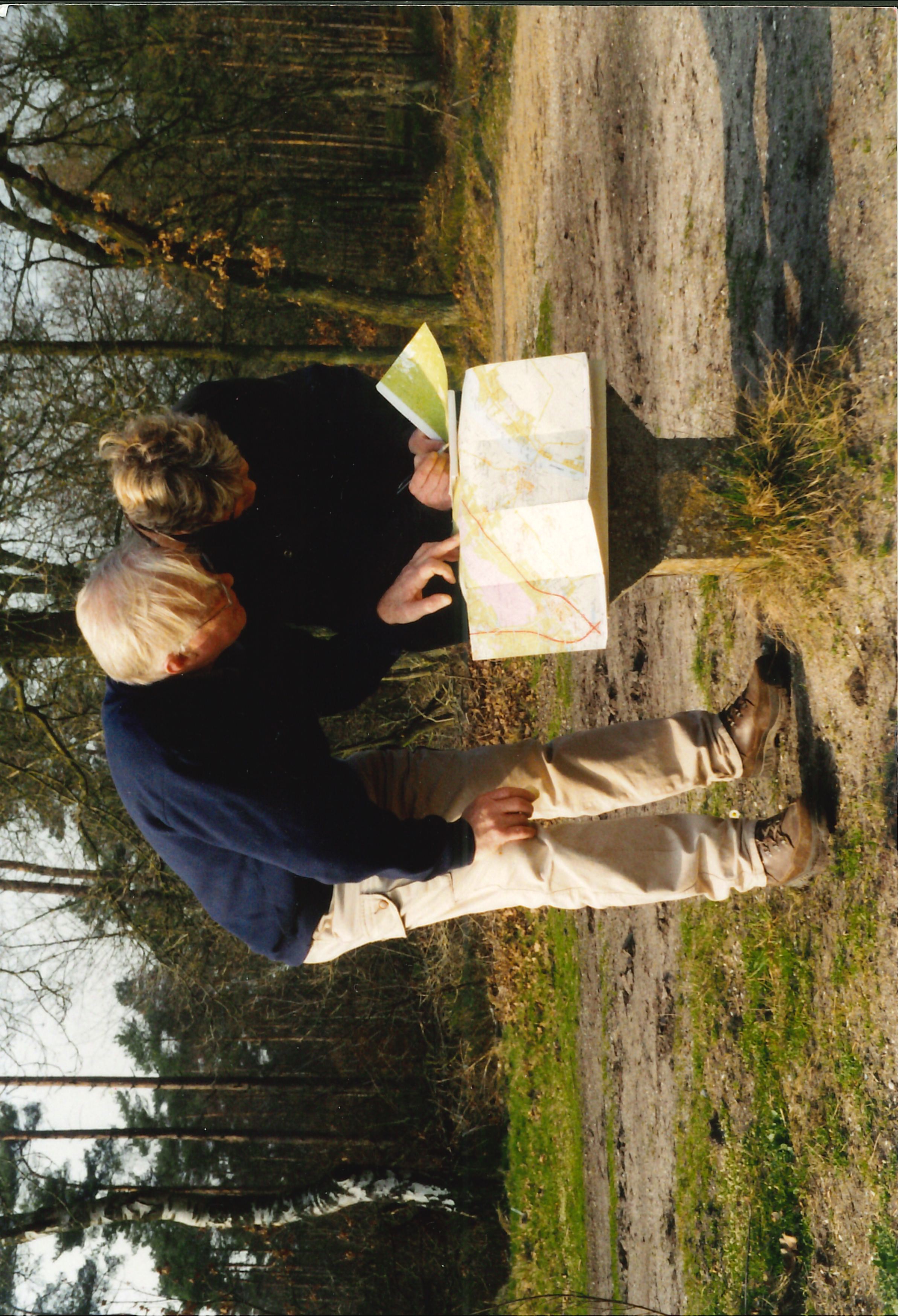
In addition to developing as a musician, Den Hertog was also able to put her many other talents to use at the Residentie Orkest. For example, in addition to her role on the works council, she wrote columns about the orchestra, a book about harpist Phia Berghout, and created walking guides: Walking with Just and Jet. “In addition to performing, all sorts of activities took place: wine tastings, soccer games… I added hikes to that list. As a child, I went to the Austrian mountains every summer with my family; nature is incredibly important to me. When the orchestra celebrated its centennial, we compiled ten walks into a booklet.” During walks through forests, heaths, dunes, and river landscapes, different conversations emerged that didn’t come up as easily in the office, says Den Hertog: there was a greater understanding of one another. “And the combination of music and nature really feeds into each other. Many composers found inspiration by being in nature. And there are so many compositions that describe nature…”
Silence
Perhaps it was also because she was so high up in the mountains that she learned to appreciate silence more. “It’s customary to applaud after a concert, to express how much you enjoyed it. But sometimes I think: hold off on the applause for a moment. Let the magic sink in. Now that I’m getting older, and the end is drawing nearer, silence has become even more important to me. I take more time for things and, as a result, experience them more intensely. Sometimes I can watch, breathless, as a great tit potters about in the garden. The circle is getting smaller, but the experience is deeper.”
The St. Matthew Passion is addictive
Den Hertog admits that reaching this point wasn’t easy for her. The transition from a full and intense life as an orchestra member to the slower pace of retirement took some getting used to. “It’s still sometimes hard to listen back to recordings of concerts. Then I tend to think: I want to do it again! I want to be out there! I’ve experienced so many amazing things…” Her face lights up when she talks about the tour to Japan (“sometimes you almost forgot you still had to play in between sightseeing ”) or the “well, a thousand” performances of the St. Matthew Passion she’s played. “If I could choose to play something one more time, that’s what comes to mind. I see myself sitting on one of those little wooden chairs, the sun shining in through the church windows, tree leaves swaying back and forth outside the window… That atmosphere was so wonderful to immerse myself in with a small group—and almost addictive. Schubert’s string quintet also brings back a lot of memories; I have to be careful not to get carried away.” Sometimes, when she can’t fall asleep at night, she “holds onto” a memory like that for a moment and immerses herself in it completely. “When my mother wasn’t able to do much anymore in her later years, she said, ‘I can still travel in my mind.’ That’s really true. The things I used to do intensely, I can sometimes relive very vividly. It’s inside me! I can draw on what I’ve done—and I’m so glad I’ve done so much.”
Grete Simkuté