Mahler 3: A World in a Single Symphony
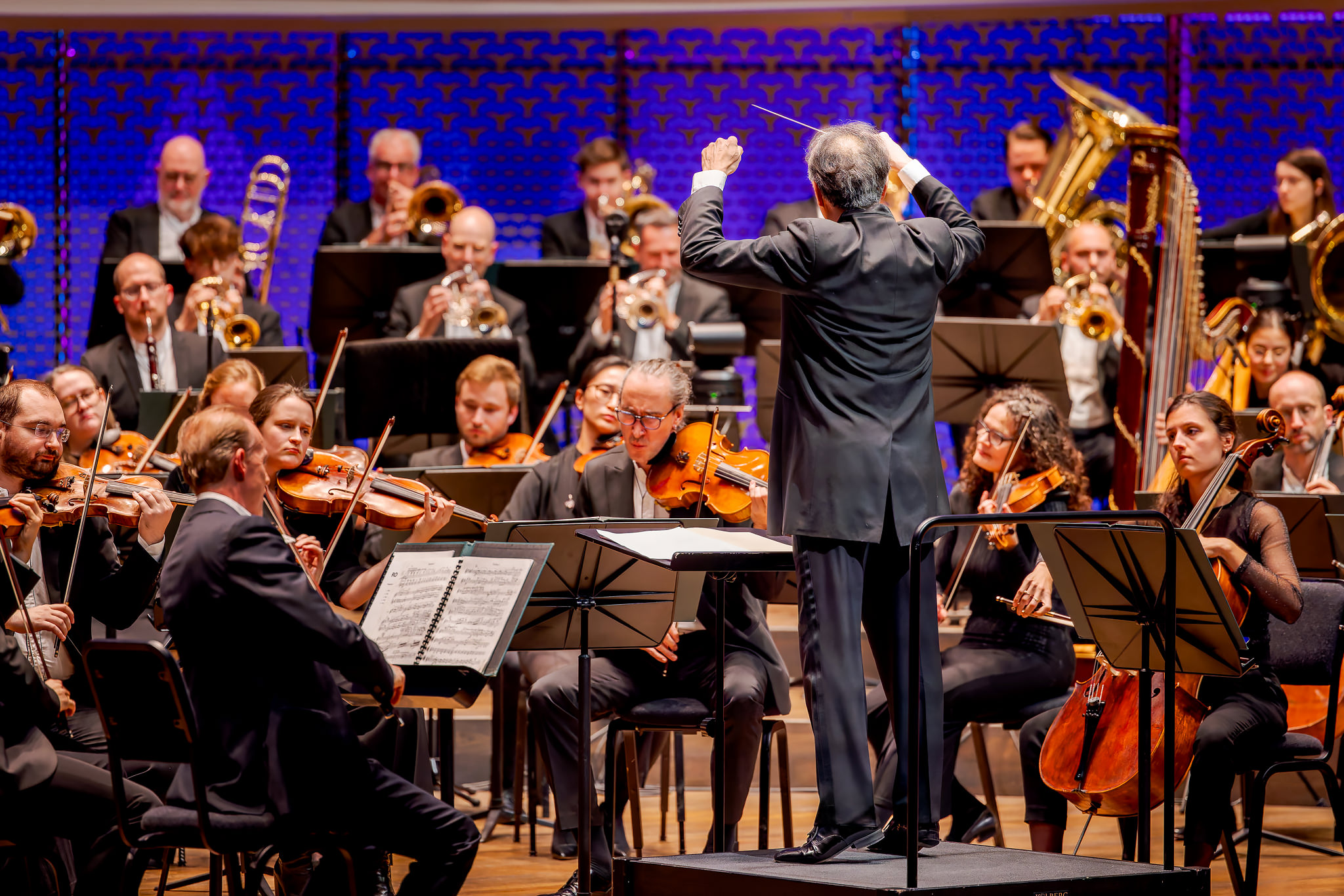
From the awakening of nature to the deepest human emotions. In his Third Symphony, Gustav Mahler attempts something nearly impossible: to capture the entirety of existence in music. On December 11 at Friday and December 13 at Sunday , Principal Conductor Jun Märkl will conduct this truly monumental symphony.
It is the summer of 1896. On the shores of Austria’s Attersee, Gustav Mahler is working on his Third Symphony in a small composer’s cottage. When his young colleague, the conductor Bruno Walter, visited him and was impressed by the mountain landscape, Mahler is said to have addressed him with the words: “You don’t need to look any further; I’ve already composed it all.”
Nature Is Given a Voice
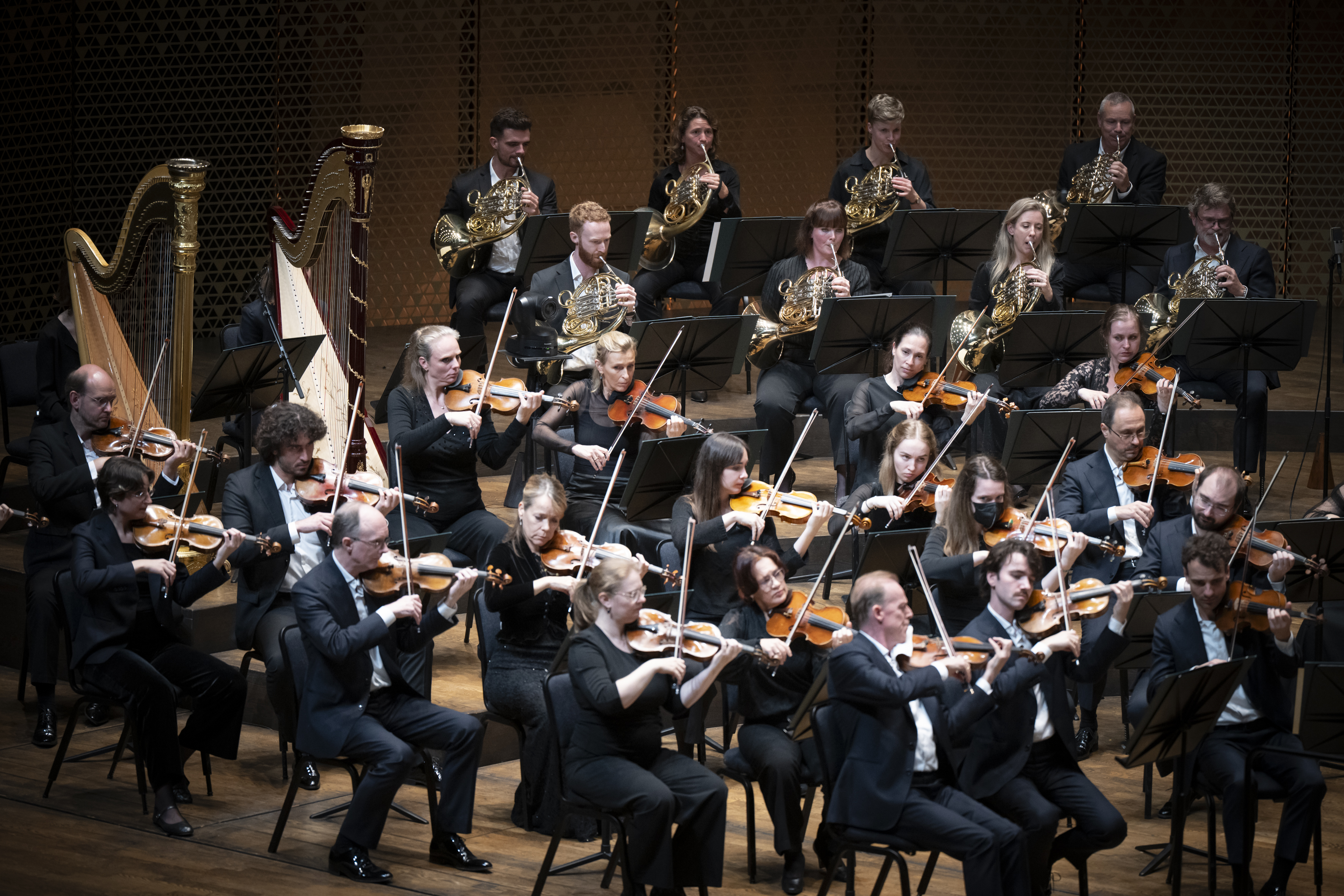
For Mahler, nature is an inexhaustible source of inspiration. In his Third Symphony , he gives nature a voice in all its forms. Eight horns herald the awakening of nature. Flowers dance in a graceful minuet, animals make their voices heard, and a lone post horn sounds from afar. Over six movements, a musical journey unfolds in which Mahler delves ever deeper into the essence of existence—from the origin of life and the beauty of nature to human consciousness and, ultimately, love.
"In my symphony, all of nature is given a voice. It is a grand ode to the glory of creation in all its forms."
- Gustav Mahler
The Great Questions of Life
Halfway through the symphony, the human voice is heard for the first time. In a hushed fourth movement, the mezzo-soprano sings a text from Friedrich Nietzsche’s *Thus Spoke Zarathustra*—about the depths of existence, about sorrow and joy, and the longing for eternity. Then the light breaks through. The voices of a women’s and boys’ choir sound like angelic singing, after which Mahler concludes his symphony with one of the most moving slow movements in classical music. He originally titled this final movement *Was mir die Liebe erzählt* —*What Love Tells Me*.
Grand in every respect
Mahler’s Third is his longest symphony. The massive orchestral lineup, a vocal soloist, and two choirs make every performance a special event. Yet the beauty of the work lies just as much in the smallest moments: a single melody, a barely audible string passage, or a sudden silence.
On December 11 and 13, the Residentie Orkest will bring this monumental masterpiece to life for the first time this century under the baton of chief conductor Jun Märkl, together with mezzo-soprano Sophie Harmsen, the women’s voices of Laurens Symfonisch, the National Boys’ Choir, and master’s students from the Royal Conservatory.
Mahler's Symphony No. 3 is grand, searching and richly layered. Jun Märkl guides the orchestra, choirs and soloist Sophie Harmsen through this six-movement musical world.